
FWSC: Denies Reports of Salary Deductions for Striking Teachers
Summary
- The Fair Wages and Salaries Commission (FWSC) has denied media reports claiming its Chief Executive stated striking teachers would face salary deductions.
- The FWSC clarified that these comments do not represent the official position of its CEO or the Commission regarding the ongoing teachers' strike.
- The Commission is actively engaged in dialogue and negotiations with the Ghana National Association of Teachers (GNAT), the National Association of Graduate Teachers (NAGRAT), and the Pre-Tertiary Teachers Association of Ghana (PRETAG).
- A meeting was held on October 6, chaired by Dr. George Smith-Graham, to discuss outstanding issues, with further consultations planned before negotiations resume.
- The FWSC assumed leadership of government negotiations after an emergency meeting convened by the Education Minister following the strike's commencement on September 28.
FWSC Denies Salary Deduction Reports
The Commission emphasized that the purported statements do not reflect the official stance of either its Chief Executive or the FWSC itself regarding the current strike by the three pre-tertiary teacher unions.
The Fair Wages and Salaries Commission (FWSC) has officially refuted recent media claims suggesting that its Chief Executive, Dr. George Smith-Graham, declared that teachers participating in the ongoing industrial action would face salary deductions for each day they remained absent from work. In a statement issued by Emelia Ennin, the Head of Public Affairs for the FWSC, the Commission clarified that Dr. Smith-Graham never made the comments attributed to him. The FWSC urged both the public and media outlets to disregard these reports and any conclusions drawn from them.
The Commission emphasized that the purported statements do not reflect the official stance of either its Chief Executive or the FWSC itself regarding the current strike by the three pre-tertiary teacher unions. This clear denial aims to correct misinformation circulating in various reports. The FWSC's communication explicitly stated, “The Fair Wages and Salaries Commission wishes to state that our Chief Executive did not make the comments attributed to him in the said media report.” It further appealed to stakeholders to dismiss the alleged remarks, underscoring that they do not represent an official position on the teachers’ strike.
Ongoing Negotiation Efforts
Amidst these clarifications, the FWSC confirmed its active engagement with the Ghana National Association of Teachers (GNAT), the National Association of Graduate Teachers (NAGRAT), and the Pre-Tertiary Teachers Association of Ghana (PRETAG). These discussions are primarily focused on fostering dialogue and conducting negotiations to resolve outstanding issues related to the unions' collective agreement and their conditions of service. The Commission views these engagements as critical to finding a sustainable resolution.
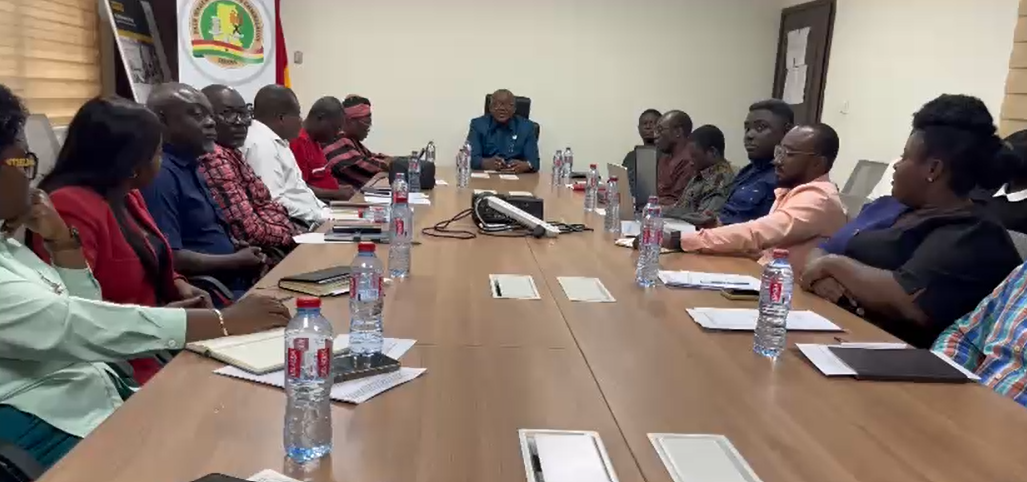
A significant meeting took place on Tuesday, October 6, involving the leadership of these three unions. Chaired by Dr. Smith-Graham, the session saw the attendance of prominent union figures, including GNAT General Secretary Thomas Musah, NAGRAT President Jacob Anaba, and PRETAG President King Ali Awudu, alongside other union representatives. This gathering provided a platform for both the FWSC and the unions to thoroughly discuss the various demands and unresolved matters that have been raised by the teacher groups.
Following the October 6 meeting, Dr. Smith-Graham indicated that further consultations would be necessary. He stated that the engagement would be reconvened at a later date, allowing the Commission to undertake additional internal consultations on the unions' demands and to involve relevant stakeholders before negotiations could resume. Dr. Smith-Graham also commended the union leaders for the peaceful and constructive manner in which the meeting was conducted, highlighting a positive atmosphere for future discussions.
Context of the Industrial Action
The current nationwide strike by the three teacher unions commenced on Monday, September 28, prompting immediate government intervention. The FWSC's involvement in the negotiation process followed an emergency meeting convened by the Minister of Education, Haruna Iddrisu, with the leadership of the three unions on the very day the strike began. This initial meeting set the stage for formal government engagement.
Subsequently, the Education Minister announced that the Fair Wages and Salaries Commission would be spearheading the next phase of formal negotiations on behalf of the government. This mandate positioned the FWSC as the primary body responsible for addressing the concerns of the striking teachers and working towards a resolution. The Commission's role is therefore central to the government's strategy for resolving the industrial action.
FWSC's Commitment to Dialogue
The FWSC has consistently reiterated its unwavering commitment to constructive engagement with the teacher unions and other pertinent stakeholders. The Commission's objective is to achieve a mutually acceptable and sustainable resolution to the outstanding issues that led to the industrial action. It acknowledges the legitimate importance of the concerns articulated by the unions, underscoring its belief that continuous dialogue and good-faith negotiations are essential for resolving these matters effectively.
In light of the ongoing discussions and the need for accurate information, the FWSC has urged the public, media, and all other stakeholders to rely exclusively on verified information emanating directly from the Commission and other appropriate authorities. This call for reliance on official sources aims to prevent the spread of unverified reports, such as the initial claims regarding salary deductions, and ensure that all parties are informed by accurate updates on the negotiation process.
Source
How does this affect you?
Get an AI analysis of this article grounded in your jurisdictions, practice areas, and any policy documents you've uploaded to Wansom.
Finish Reading the Full Story and the Expert Analysis.
Get the latest legal & regulatory intelligence in Ghana
Wansom is AI and can make mistakes.