
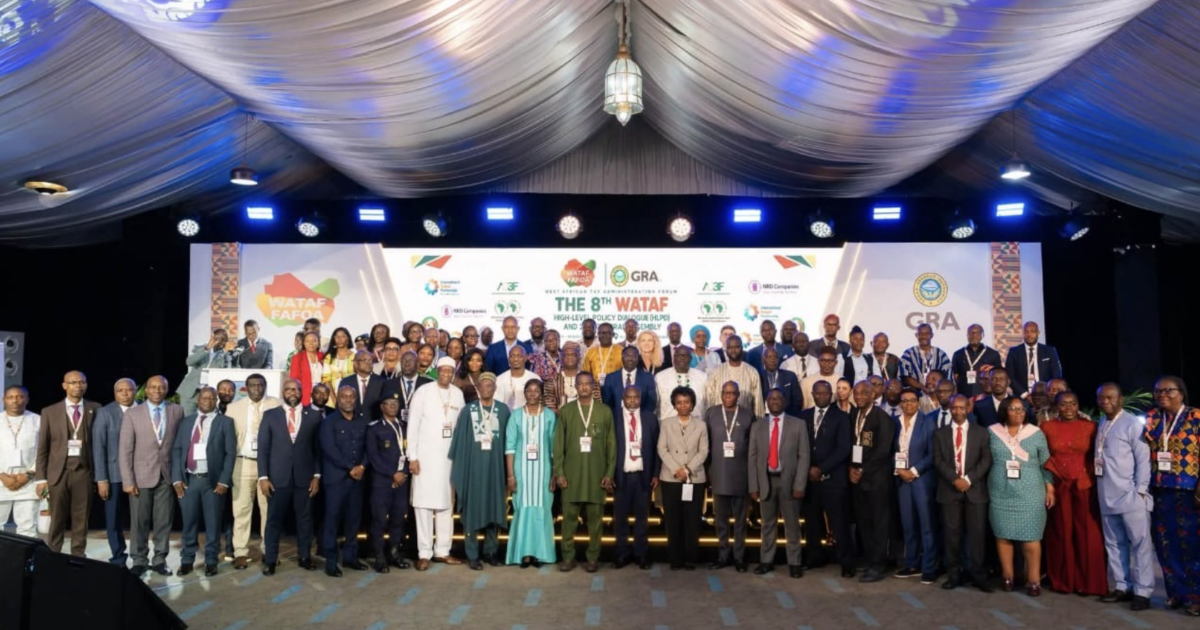
Ghana Finance Minister: Calls for African Tax Cooperation
Summary
- Ghana Finance Minister Cassiel Ato Forson urged African governments to strengthen tax cooperation to protect domestic revenue and secure development financing.
- The call was made at the 8th High-Level Policy Dialogue and 23rd General Assembly of the West African Tax Administration Forum (WATAF) in Accra on September 20, 2026.
- Key challenges identified include base erosion and profit shifting (BEPS), digital economy taxation, and the global minimum tax, requiring stronger African international tax standards.
- African tax administrations are encouraged to enhance taxpayer intelligence sharing, identify cross-border tax risks, and invest in indigenous expertise.
- Efforts to mobilize revenue must also address illicit financial flows, tax evasion, and other revenue leakages, alongside broadening tax bases and formalizing informal economies.
Call for Enhanced Regional Tax Cooperation
The continent's tax administrations are called upon to strengthen mechanisms for sharing taxpayer intelligence, identifying cross-border tax risks, and learning from successful compliance interventions.
African nations are being urged to significantly enhance their tax cooperation and coordination to safeguard domestic revenues and secure essential development financing, particularly in the face of evolving global tax challenges. This call came from Ghana Finance Minister Cassiel Ato Forson, whose address was delivered by Mr. Kweku George Ricketts-Hagan, Board Chairman of the Ghana Revenue Authority (GRA), at a high-profile gathering in Accra on September 20, 2026. The Minister stressed the imperative for African countries to assert a stronger collective voice within the international tax architecture and to more effectively align their positions on emerging global tax issues.
Navigating Complex International Tax Landscapes
Dr. Forson identified several critical issues that have become central to Africa’s development agenda, including base erosion and profit shifting (BEPS), the taxation of the digital economy, and the global minimum tax. He underscored that regional institutions must bolster the capabilities of member tax administrations to effectively implement African international tax standards. This capacity building is crucial to equip African countries to negotiate effectively and protect their legitimate tax bases amidst a rapidly changing international tax environment.
The Minister observed that tax administrations can no longer operate in isolation, given the increasing trend of businesses structuring their operations across multiple jurisdictions and the rapid cross-border movement of capital. This necessitates a collaborative approach, where African tax authorities work in concert to address shared challenges. The strategic importance of addressing these complex issues through strengthened regional cooperation is paramount for maintaining fiscal stability and ensuring equitable revenue collection across the continent.
Strategic Imperatives for African Tax Administrations
To counter these challenges, African tax administrations are called upon to strengthen mechanisms for sharing taxpayer intelligence, identifying cross-border tax risks, and learning from successful compliance interventions. Such regional cooperation is envisioned to provide a stronger tax backbone for African countries, enabling them to collectively respond to emerging international taxation challenges. A key component of this strategy involves greater investment in African expertise, aiming to reduce excessive dependence on external technical capacity and cultivate stronger indigenous tax administration capabilities.
Furthermore, the Minister emphasized that revenue mobilization efforts must be complemented by robust measures to combat illicit financial flows Africa, tax evasion, trade under-invoicing, and smuggling, which contribute significantly to revenue leakages. Governments and regional bodies are urged to embrace data-driven approaches, digital transformation, enhanced cross-border cooperation, and professional development to cultivate stronger, smarter, and more sustainable tax administrations capable of financing the continent's development. The Ghana Revenue Authority cross-border tax initiatives are expected to play a vital role in this broader effort.
Economic Context and Mobilization Efforts
Echoing the Minister’s sentiments, Mr. Anthony Kwasi Sarpong, Commissioner-General of the GRA, highlighted the urgent need for African countries to mobilize their domestic resources fairly, efficiently, and sustainably to address persistent development financing challenges. Despite West Africa recording a real GDP growth of 4.8 per cent in 2025, with a projected growth of 4.6 per cent in 2026, the region continues to grapple with a significant development financing gap.
Mr. Sarpong urged tax administrations to broaden their tax bases, formalize informal economic activities, improve the management of natural-resource revenues, and strengthen information exchange among jurisdictions. These measures are critical for closing the financing gap and ensuring that economic growth translates into sustainable development across the region.
Practical Implications
Lawyers and compliance officers advising clients with cross-border operations in Africa should anticipate increased scrutiny and enforcement from tax authorities due to strengthened regional cooperation and information sharing. Clients should review their international tax structures for compliance with evolving standards like BEPS, digital economy taxation, and global minimum tax, as African nations aim to protect their tax bases and combat illicit financial flows.
Source
Source: Original reporting via GNA
How does this affect you?
Get an AI analysis of this article grounded in your jurisdictions, practice areas, and any policy documents you've uploaded to Wansom.
Finish Reading the Full Story and the Expert Analysis.
Get the latest legal & regulatory intelligence in Ghana
Wansom is AI and can make mistakes.