
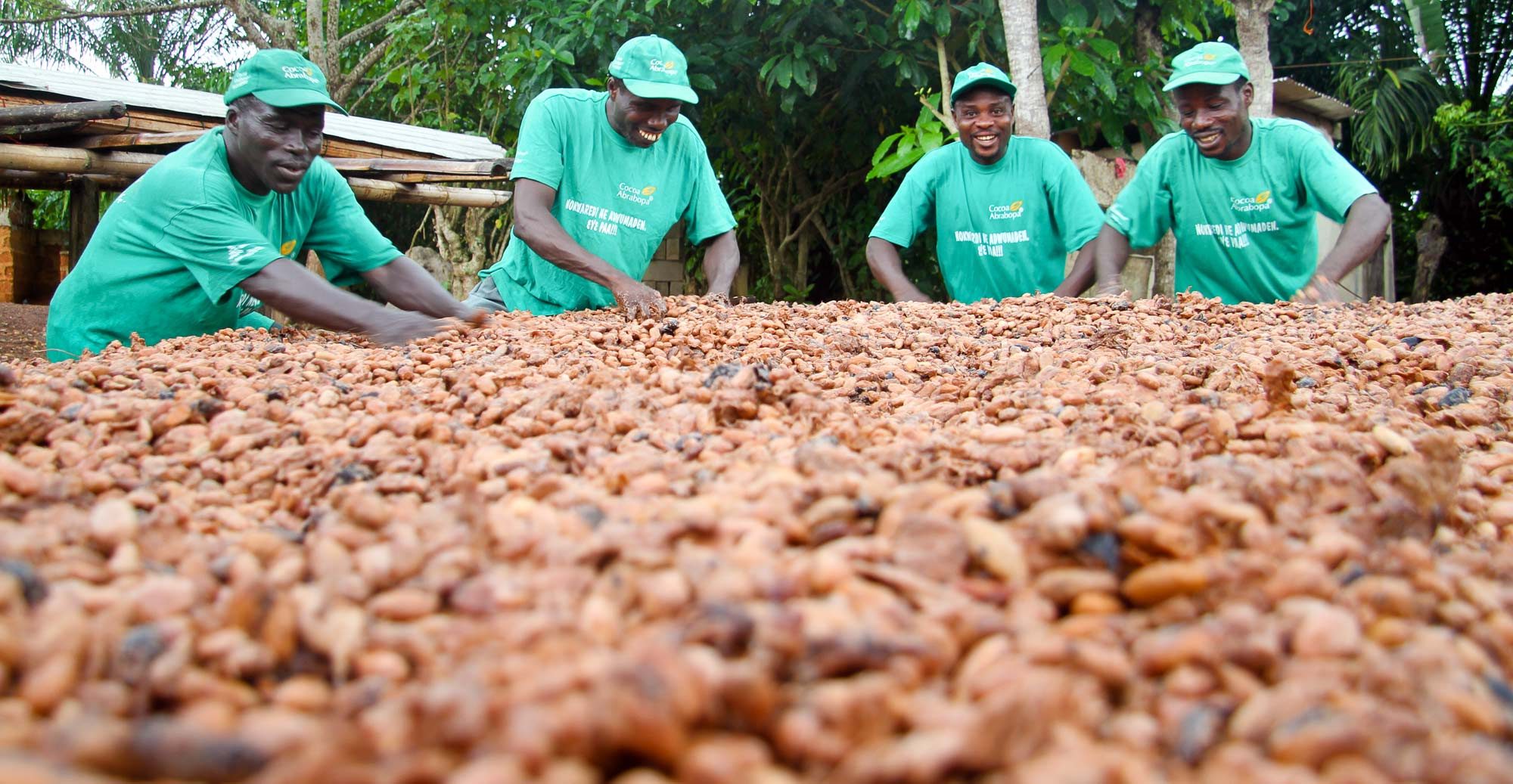
Ghana Cashew Export Restriction Petition: Traders Urge Mahama to Withdraw Ban
Summary
- Ghanaian cashew traders, exporters, and farmer associations petitioned President John Mahama on November 17, 2026, to withdraw a proposed three-month raw cashew export restriction.
- The groups warned that the export ban could harm farmer incomes, threaten investments, and disrupt thousands of livelihoods, while supporting a fair Ghana raw cashew export levy for price stability.
- The petition, signed by Abdel Mumuni Musah and Adams Ayuba, represents about 3,500 traders and aggregators, alongside farmer associations.
- They questioned the capacity of domestic processors to absorb all raw cashew production and called for urgent stakeholder consultations before implementing any new Ghana cashew industry policy.
- The petitioners seek protection for existing contracts and investments, and formal representation in future policy decisions affecting the sector.
Industry Leaders Petition President Mahama
The petitioners emphasized that their stance is not against local processing or industrialization, asserting that Ghana can expand its domestic processing capabilities while simultaneously maintaining a competitive and sustainable raw cashew trading and export industry.
A coalition of cashew traders, exporters, and farmer-led associations in Ghana has formally petitioned President John Mahama, urging the withdrawal of a proposed three-month restriction on raw cashew exports. The joint petition, dated November 17, 2026, was signed by Chairman Abdel Mumuni Musah and Secretary Adams Ayuba, representing approximately 3,500 traders and aggregators from key regions including Techiman, Nkoranza, and Kintampo, alongside various farmer associations within Ghana's cashew-producing communities.
This urgent appeal follows the government's announcement of the proposed export ban and an accompanying levy on November 16, made during the commissioning ceremony of the NADKANSCO processing factory in Techiman. While the groups expressed strong opposition to the blanket export restriction, they simultaneously voiced support for the implementation of a fair and reasonable Ghana raw cashew export levy. Their primary objective with the levy is to foster price stability and ensure the long-term viability of the nation's cashew industry.
Economic Concerns and Policy Rationale
The petitioners warned that the proposed raw cashew export ban Ghana could severely undermine farmers' incomes, jeopardize existing investments, and disrupt the livelihoods of thousands of individuals. They articulated concerns that such a restriction would diminish competition among buyers, thereby weakening farmers' bargaining power and ultimately depressing farmgate prices for their produce. Furthermore, the associations highlighted potential financial losses and significant disruptions to current investments, bank facilities, and international supply contracts that are already in place.
While acknowledging the government's stated commitment to local processing, industrialization, job creation, and value addition, the industry groups cautioned against policies that might destabilize the cashew sector. They specifically questioned whether domestic processors possess adequate purchasing and processing capacity to absorb the entirety of Ghana’s raw cashew production. Despite their opposition to the outright ban, the groups advocated for a carefully structured export levy, believing it could contribute to price stabilization, protect farmer incomes, and promote a more sustainable industry without stifling trade.
Demands for Stakeholder Engagement
In their Ghana cashew export restriction petition, the associations called for immediate and comprehensive stakeholder consultations before any of the proposed measures are implemented. They specifically urged the government to withdraw the three-month restriction pending a thorough assessment of its economic implications and a collaborative discussion on alternatives. The petitioners emphasized that their stance is not against local processing or industrialization, asserting that Ghana can expand its domestic processing capabilities while simultaneously maintaining a competitive and sustainable raw cashew trading and export industry.
To support local processors, the groups recommended providing adequate financing and incentives to enable them to compete fairly for raw cashew nuts, rather than resorting to restricting access to international markets. They also demanded protection for existing stocks, commercial contracts, bank facilities, and legitimate investments. Crucially, the petition requested that recognized farmer, trader, and exporter associations be formally included in all future policy decisions impacting the cashew industry, seeking an urgent audience with President Mahama or his representatives to present their concerns and propose viable alternatives that safeguard all stakeholders.
Practical Implications
Lawyers advising clients in Ghana's agricultural sector, especially those involved in cashew production, trade, or processing, must monitor the outcome of these proposed export restrictions and levies. This development signals potential regulatory changes that could impact existing contracts, supply chain compliance, and investment strategies, necessitating proactive legal review and engagement in stakeholder consultations.
Source
How does this affect you?
Get an AI analysis of this article grounded in your jurisdictions, practice areas, and any policy documents you've uploaded to Wansom.
Finish Reading the Full Story and the Expert Analysis.
Get the latest legal & regulatory intelligence in Ghana
Wansom is AI and can make mistakes.