
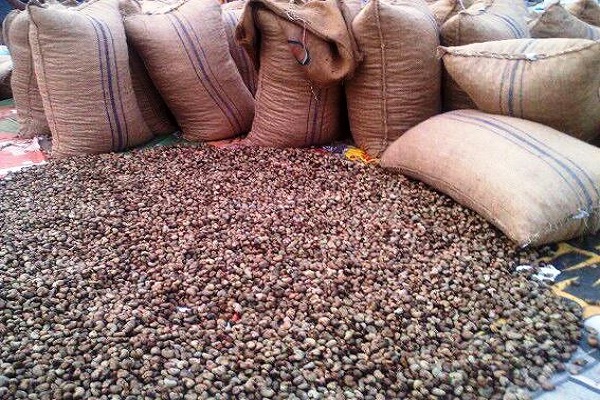
GH Cashew Traders Warn of Falling Farmgate Prices Over Proposed Export Ban
Summary
- Cashew traders and exporters are opposing a proposed three-month restriction on raw cashew exports.
- They warn the restriction could lower farmgate prices, reduce farmer bargaining power, and threaten thousands of livelihoods.
- A joint petition, signed by representatives of 3,500 traders and aggregators, was sent to President John Dramani Mahama on November 17, 2026, requesting withdrawal of the restriction.
- The industry supports local processing but fears the measures could disrupt investments, bank facilities, and international contracts due to limited domestic capacity.
- Petitioners advocate for a well-structured export levy and government incentives for local processors, rather than a blanket ban, and seek an urgent audience with the President.
Industry Opposition to Export Curbs
By restricting exports, the government would inadvertently diminish competition among buyers, leaving farmers vulnerable to accepting lower prices for their produce.
Cashew traders and exporters have voiced strong opposition to a proposed three-month restriction on raw cashew exports, warning of severe economic repercussions across the nation. This significant policy shift, coupled with an export levy, was announced during the commissioning of the NADKANSCO processing factory in Techiman on November 16. Industry stakeholders contend that such measures, if implemented without comprehensive consultation and protective safeguards, could detrimentally impact farmers' incomes, traders' investments, and the contractual obligations of exporters, ultimately jeopardizing thousands of livelihoods within the cashew value chain.
In response to these concerns, a joint petition was formally submitted to President John Dramani Mahama on November 17, 2026. This petition, originating from the Techiman North and South Cashew Traders and Exporters Association alongside various farmer-led associations, urgently calls for the withdrawal of the proposed export restriction. The signatories, including Chairman Abdel Mumuni Musah and Secretary Adams Ayuba, represent a substantial segment of the industry, encompassing approximately 3,500 traders and aggregators across Techiman, Nkoranza, and Kintampo, in addition to the participating farmer-led groups.
Economic Fallout for Farmers and Traders
The primary concern articulated by the cashew industry revolves around the potential for a drastic reduction in farmgate prices, directly affecting the income of cashew farmers. Traders argue that by restricting exports, the government would inadvertently diminish competition among buyers, leaving farmers vulnerable to accepting lower prices for their produce. This vulnerability is exacerbated by existing limitations in the country's domestic processing and purchasing capacity, which traders believe is insufficient to absorb Ghana’s total raw cashew production.
Furthermore, the associations have highlighted the significant financial risks posed to traders and exporters. They warn that the proposed restriction could expose these entities to substantial financial losses, disrupting established investments, bank facilities, and crucial international supply contracts. While supporting the broader goal of local processing, the petitioners emphasize that these measures, without proper planning and stakeholder input, could undermine the very economic stability they aim to enhance.
Path Forward: Consultation and Structured Policy
Despite their strong objections to the blanket export restriction, the cashew associations have expressed conditional support for the introduction of a reasonable export levy. Their endorsement, however, is contingent upon stakeholders reaching a consensus on its structure and implementation through thorough consultations. They believe that a well-designed levy has the potential to stabilize prices, safeguard farmers’ incomes, and foster a more sustainable cashew industry overall.
The petitioners have urged the government to prioritize providing adequate financing and incentives for local processors, enabling them to compete fairly for raw cashew nuts, rather than resorting to a broad export ban. They also demand the establishment of clear safeguards for existing stocks, commercial contracts, bank facilities, and legitimate investments. Stressing that their position is not against local processing or industrialization, the associations maintain that Ghana can successfully expand its domestic processing capabilities while simultaneously preserving a competitive and sustainable raw cashew trading and export sector. To this end, they are seeking an urgent audience with President Mahama or his representatives to present their concerns and propose alternative strategies, advocating for formal representation of recognized farmer, trader, and exporter associations in all future policy decisions impacting the cashew industry.
Source
How does this affect you?
Get an AI analysis of this article grounded in your jurisdictions, practice areas, and any policy documents you've uploaded to Wansom.
Finish Reading the Full Story and the Expert Analysis.
Get the latest legal & regulatory intelligence in Ghana
Wansom is AI and can make mistakes.