
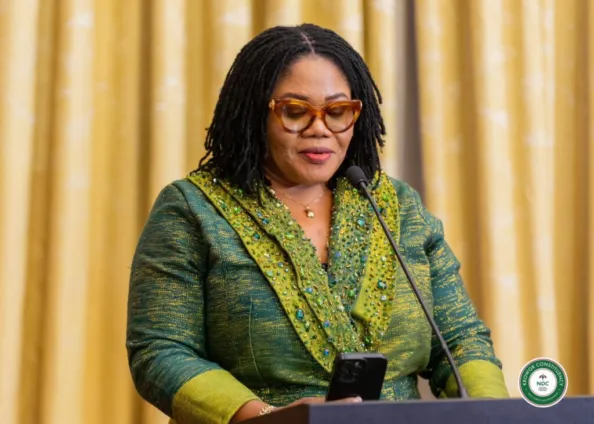
GES Formalising Graduates With Disabilities Ghana: 272 Integrated
Summary
- The Ministry of Gender, Children, and Social Protection announced that 272 graduates with disabilities are being formalised into the Ghana Education Service (GES).
- Minister Agnes Naa Momo Lartey confirmed this initiative aims to promote inclusive employment.
- The effort seeks to create sustainable opportunities for persons with disabilities within Ghana's public sector.
- This move highlights a growing national focus on disability inclusion in government employment.
What Happened
The formalisation of 272 graduates with disabilities into the Ghana Education Service marks a significant development in Ghana's journey towards comprehensive disability employment.
The Ministry of Gender, Children, and Social Protection, under the leadership of Minister Agnes Naa Momo Lartey, has announced a significant development aimed at enhancing inclusive employment opportunities across Ghana. A total of 272 graduates with disabilities are currently undergoing a formalisation process, which will see them integrated into the Ghana Education Service (GES). This initiative is specifically designed to promote inclusive employment practices and establish sustainable career pathways for persons with disabilities within the nation's public sector. The move represents a tangible commitment by the government to ensure that individuals with disabilities have equitable access to professional roles, particularly within a crucial institution like the GES.
This formalisation process is a direct response to the broader national agenda of fostering a more diverse and representative workforce. By actively bringing these graduates into the Ghana Education Service, the Ministry aims to address historical barriers to employment and demonstrate a proactive approach to disability inclusion. Minister Lartey's announcement underscores the government's dedication to creating an environment where every citizen, regardless of their physical or sensory abilities, can contribute meaningfully to national development through gainful employment.
Legal and Policy Context
This initiative by the Ministry of Gender and the Ghana Education Service highlights a growing focus on disability inclusion in Ghana's public sector employment. The integration of these 272 graduates with disabilities into the GES aligns with broader national objectives to uphold the rights of persons with disabilities, particularly concerning their access to dignified and sustainable work. Such actions contribute significantly to strengthening the framework for Ghana inclusive employment for persons with disabilities, moving beyond aspirational goals to practical implementation within key governmental institutions. The formalisation process itself can be seen as a practical application of principles often outlined in Ghana disability rights employment law, even if not directly mandated by a specific new statute for this particular action.
This proactive stance by governmental bodies, including the Ghana Education Service disability employment division, aims to address historical disparities and ensure equitable opportunities. The move signals an evolving commitment to integrate diverse talents and skills into the public workforce. It could also influence future policy discussions regarding GES disability recruitment policy and broader public sector hiring guidelines, potentially setting new benchmarks for accessibility and inclusion in government roles. The Ministry of Gender's involvement further emphasizes the cross-sectoral importance of this issue.
Why It Matters
The formalisation of 272 graduates with disabilities into the Ghana Education Service marks a significant development in Ghana's journey towards comprehensive disability employment. This action, championed by Minister Agnes Naa Momo Lartey, serves as a powerful example of how government bodies can actively promote sustainable opportunities for a historically underserved demographic. It signals a proactive stance by the Ghana Education Service disability employment framework to integrate diverse talents and skills, potentially influencing future GES disability recruitment policy and broader public sector hiring practices. This initiative is crucial not only for the individuals directly benefiting but also for its symbolic importance, setting a precedent for other ministries and agencies to review and enhance their own inclusive employment strategies.
This development reflects an evolving understanding of disability inclusion in Ghana, moving towards a more equitable and representative public workforce. It underscores the importance of government leadership in driving social change and economic empowerment for persons with disabilities. Legal and compliance professionals should monitor for potential policy shifts or legislative developments that may extend similar requirements or incentives to the private sector, and review client employment practices for alignment with evolving diversity standards. This move could signify a broader governmental push for greater adherence to inclusive employment principles across all sectors.
Practical Implications
This initiative by the Ministry of Gender and GES highlights a growing focus on disability inclusion in Ghana's public sector employment. Legal and compliance professionals should monitor for potential policy shifts or legislative developments that may extend similar requirements or incentives to the private sector, and review client employment practices for alignment with evolving diversity standards.
Source
How does this affect you?
Get an AI analysis of this article grounded in your jurisdictions, practice areas, and any policy documents you've uploaded to Wansom.
Finish Reading the Full Story and the Expert Analysis.
Get the latest legal & regulatory intelligence in Ghana
Wansom is AI and can make mistakes.