
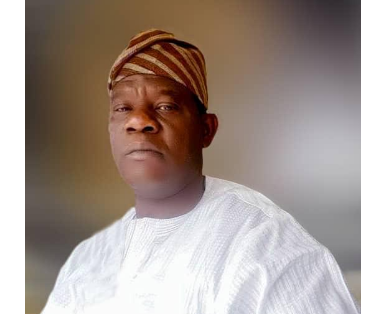
Ondo State: Gbadebo Adeusi Emerges Oloba After Oba-Ile Election
Summary
- Prince Gbadebo Adeusi Aladetoye has been selected as the Oloba-elect of Oba-Ile in Ondo State.
- He hails from the Orioge Royal House within the Akure North Local Government Area.
- His selection involved a keenly supervised process, incorporating both Ifa divination and voting by kingmakers.
- This development provides a new traditional leader for the Oba-Ile community, crucial for local governance and administration.
The New Oloba of Oba-Ile
His authority will be central to local legal and administrative processes, providing a clear point of contact for external stakeholders and ensuring continuity in community leadership.
The revered traditional stool of the Oloba of Oba-Ile, situated within the Akure North Local Government Area of Ondo State, now has a newly selected occupant. Following a rigorous and closely monitored selection process, Prince Gbadebo Adeusi Aladetoye has emerged as the Oloba-elect. This significant development marks a new chapter for the Oba-Ile community, providing clarity and leadership for its residents and stakeholders.
Prince Adeusi, whose lineage traces back to the distinguished Orioge Royal House Oba-Ile, was chosen through a comprehensive procedure that combined traditional spiritual consultation with a structured voting mechanism. The selection involved both time-honored Ifa divination rites and a formal voting process conducted by the community's kingmakers. This dual approach underscores the blend of cultural heritage and structured governance inherent in the Oba-Ile traditional ruler selection. The meticulous oversight of the entire process aimed to ensure fairness and legitimacy in the choice of the new Oloba.
Selection Process and Traditional Authority
The method employed for the selection of the Oloba of Oba-Ile Gbadebo Adeusi reflects a deep respect for established customs while incorporating elements of modern oversight. The involvement of Ifa divination, a spiritual practice central to Yoruba tradition, signifies the community's reliance on ancestral guidance in choosing its leader. This ritualistic aspect is often seen as validating the spiritual fitness and destiny of the chosen candidate, ensuring that the new Oloba is not only acceptable to the people but also to the spiritual realm.
Complementing this traditional practice, the voting conducted by the kingmakers represents the human and communal endorsement of the candidate. Kingmakers, typically respected elders and lineage heads, play a pivotal role in the Oba-Ile traditional ruler selection, acting as custodians of the community's heritage and decision-makers in leadership succession. The fact that the entire process was "keenly supervised" suggests an emphasis on transparency and adherence to established protocols, likely to prevent disputes and ensure a widely accepted outcome for the Gbadebo Adeusi Oloba Oba-Ile election. This meticulous approach is crucial for maintaining peace and order within the community following such a significant event.
Legal and Administrative Context
The confirmation of Prince Gbadebo Adeusi Aladetoye as the Oloba-elect carries substantial implications for local governance and administration within the Akure North Local Government Area. Traditional rulers in Ondo State, including the Oloba of Oba-Ile, serve as vital intermediaries between their communities and the state government. Their roles often encompass maintaining peace, resolving local disputes, promoting cultural heritage, and facilitating development initiatives. The formal selection of a new Oloba provides a clear point of authority for these functions.
Under Ondo State chieftaincy law, the process for selecting and confirming traditional rulers is typically well-defined, aiming to prevent protracted succession battles that can destabilize communities. The successful conclusion of the Gbadebo Adeusi Oloba Oba-Ile election means that the community now has a recognized leader who can officially represent its interests in the Akure North traditional council and other governmental forums. This stability is fundamental for attracting investment, implementing public projects, and ensuring the effective delivery of services at the grassroots level.
Why This Matters for Stakeholders
The formal selection and emergence of Prince Gbadebo Adeusi Aladetoye as the Oloba-elect provides crucial clarity for various stakeholders operating within Oba-Ile. For legal professionals advising on land transactions, community development projects, or local dispute resolution, the confirmation of the Oloba of Oba-Ile Gbadebo Adeusi is a significant development. His authority will be central to local legal and administrative processes, providing a clear point of contact for external stakeholders and ensuring continuity in community leadership.
This established leadership is essential for the smooth functioning of local affairs and for fostering an environment conducive to progress. With a recognized traditional ruler in place, the community can engage more effectively with government agencies, non-governmental organizations, and private entities on matters ranging from infrastructure development to social welfare initiatives. The legitimacy conferred by the keenly supervised selection process ensures that the new Oloba's pronouncements and decisions will carry significant weight within the Oba-Ile community and beyond.
Practical Implications
Lawyers advising on land transactions, community development projects, or local dispute resolution in Oba-Ile, Ondo State, should note the confirmation of Gbadebo Adeusi as the new Oloba, as his authority will be central to local legal and administrative processes.
Source
How does this affect you?
Get an AI analysis of this article grounded in your jurisdictions, practice areas, and any policy documents you've uploaded to Wansom.
Finish Reading the Full Story and the Expert Analysis.
Get the latest legal & regulatory intelligence in Nigeria
Wansom is AI and can make mistakes.