
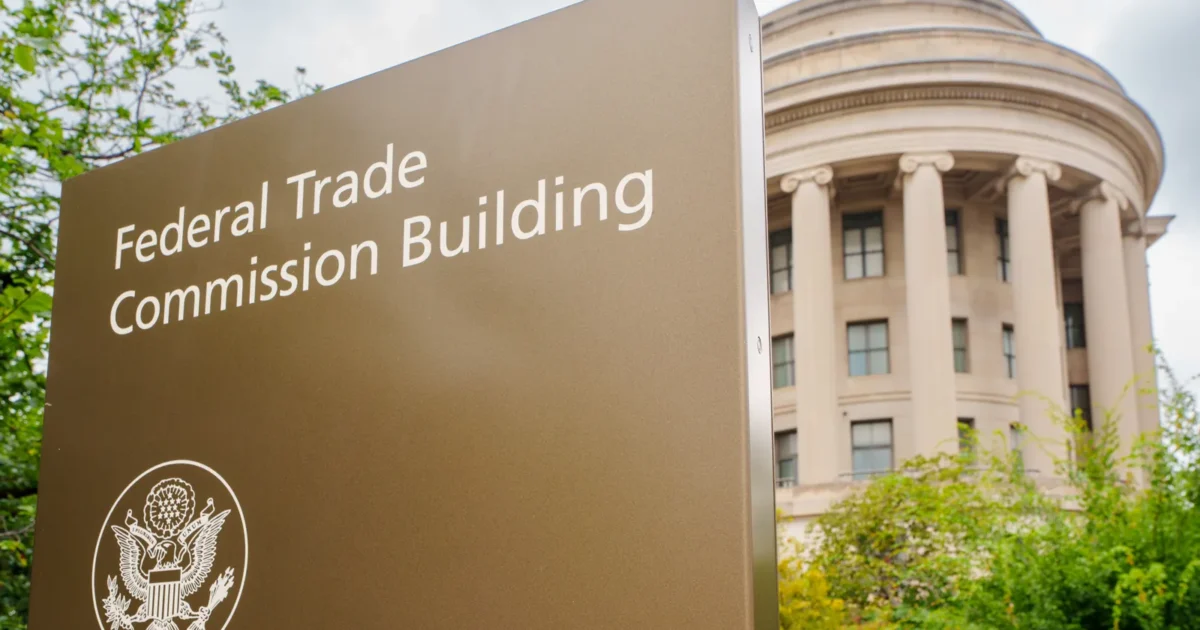
FTC Botswana Diamond Naming Dispute: Paris Declaration Challenges Lab-Grown Term
Summary
- Botswana's Paris Declaration seeks to reserve the term 'diamond' exclusively for natural stones.
- This campaign faces a major regulatory hurdle in the United States due to existing consumer protection guidelines.
- Lab-grown diamond producers are actively resisting Botswana's redefinition efforts.
- The Federal Trade Commission (FTC) currently allows the term 'diamond' for both natural and lab-grown varieties.
- Botswana's President Duma Boko is challenging these established US guidelines regarding diamond terminology.
What's Happening
The United States, with its influential regulatory environment and substantial consumer market, serves as a critical battleground in this debate.
Botswana has launched an ambitious global initiative, known as the Paris Declaration, with the explicit goal of reserving the term 'diamond' exclusively for stones of natural origin. This campaign, spearheaded by President Duma Boko, aims to fundamentally redefine how these precious gemstones are identified and marketed worldwide.
This significant push for a stricter nomenclature is encountering considerable opposition, particularly from producers of lab-grown diamonds. The core of this resistance is centered in the United States, where the proposed redefinition faces a substantial American regulatory hurdle.
Regulatory Context in the US
The primary obstacle confronting Botswana's Paris Declaration in the United States is the nation's established framework of consumer protection guidelines. These guidelines, which fall under the purview of the Federal Trade Commission (FTC), currently permit the use of the term 'diamond' for both natural and laboratory-grown stones, provided they share identical optical, physical, and chemical properties.
The FTC's long-standing approach is designed to ensure transparency and prevent consumer deception, advocating for descriptive terms such as "lab-grown diamond" or "cultivated diamond" rather than restricting the base term 'diamond' solely to natural varieties. President Duma Boko's campaign directly challenges these existing FTC consumer protection guidelines, seeking to alter the accepted lab-grown diamond definition FTC and the broader natural diamond marketing regulations within the US market. This ongoing dispute highlights a fundamental disagreement over the appropriate terminology and classification for diamonds.
Why This Matters
The outcome of this significant FTC Botswana diamond naming dispute carries profound implications for the entire global diamond industry. Should Botswana's Paris Declaration succeed in influencing US policy, it could trigger a comprehensive re-evaluation of how diamonds are named, labeled, and marketed, potentially reshaping consumer perception and sales strategies for both the natural and lab-grown segments.
Conversely, if the FTC upholds its current stance, it would reinforce the existing regulatory framework that recognizes lab-grown diamonds as true diamonds, albeit with necessary qualifiers. This clash over the fundamental definition of a diamond underscores a growing tension between traditional diamond-producing nations, like Botswana, and the rapidly expanding lab-grown sector. The United States, with its influential regulatory environment and substantial consumer market, serves as a critical battleground in this debate. The resolution of this dispute will undoubtedly establish a significant precedent for future natural diamond marketing regulations and the broader definition of diamonds globally.
Practical Implications
Lawyers advising clients in the diamond industry, particularly those involved in trade with or within the US, should monitor the outcome of this dispute between Botswana's 'Paris Declaration' and the FTC. The resolution could significantly impact marketing, labeling, and compliance requirements for both natural and lab-grown diamonds under US consumer protection laws, potentially necessitating adjustments to business practices and disclosures.
Source
How does this affect you?
Get an AI analysis of this article grounded in your jurisdictions, practice areas, and any policy documents you've uploaded to Wansom.
Finish Reading the Full Story and the Expert Analysis.
Get the latest legal & regulatory intelligence in Botswana
Wansom is AI and can make mistakes.