
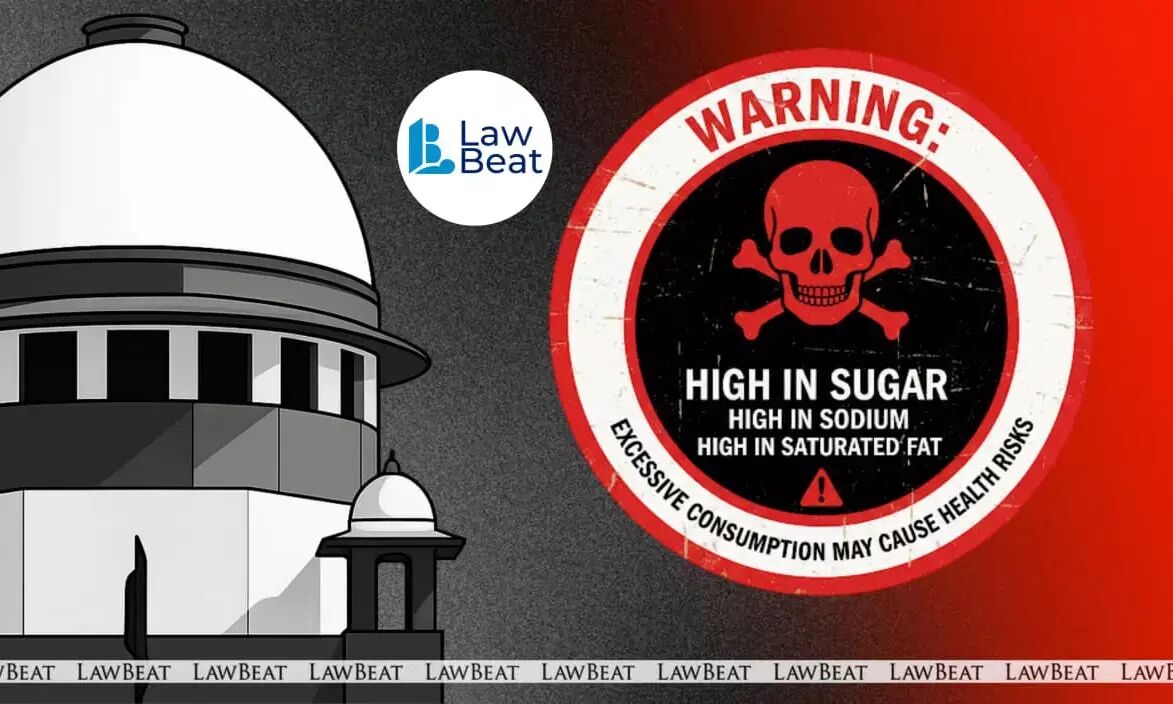
FSSAI: Red Front-of-Pack Warning Labels India Proposed to SC
Summary
- India's FSSAI has proposed red front-of-pack warning labels for packaged foods high in added fat, added sugar, or salt.
- The labels, featuring a red hexagonal symbol, will declare "HIGH FAT," "HIGH SUGAR," or "HIGH SALT" based on ICMR-NIN Dietary Guidelines 2024 thresholds.
- This move follows a Supreme Court directive that gave the government two weeks to finalize its decision on food warning labels.
- The government expressed concerns about the impact on traditional Indian foods and Micro, Small, and Medium Enterprises (MSMEs).
- The Supreme Court emphasized public health, particularly for children, questioning resistance to greater nutritional disclosure.
New Labeling Mandate Proposed
The Supreme Court remained unconvinced by these arguments, pointedly questioning the rationale behind resisting enhanced nutritional disclosure.
The Food Safety and Standards Authority of India (FSSAI) has formally presented a proposal to the Supreme Court for implementing prominent red warning labels on the front of packaged food items. This initiative targets products identified as high in added fat, added sugar, or salt, aiming to empower consumers with clearer information at the point of purchase. The proposed FSSAI red front-of-pack warning labels India are designed to be easily comprehensible, facilitating informed dietary choices, particularly for children and other vulnerable segments of the population.
Under the FSSAI's plan, these warnings would take the form of a red hexagonal symbol displayed prominently on the packaging. Products exceeding specified thresholds for any two or more of the concerning nutrients—fat, sugar, or salt—would carry corresponding declarations such as "HIGH FAT," "HIGH SUGAR," or "HIGH SALT." For instance, a product high in both fat and sugar would display "HIGH FAT HIGH SUGAR." Additionally, a distinct "HIGHLY SWEETENED BEVERAGE" warning is envisioned for certain sweetened drinks. The thresholds for determining these "high" levels are to be aligned with the ICMR-NIN Dietary Guidelines 2024, ensuring a scientifically backed approach to front-of-pack nutrition labeling India. The affidavit filed by FSSAI joint director Dr. Kavitha Ramasamy specifies that the warning text will be printed in a font size one point larger than that used for the nutritional information table typically found on the back of the product.
Supreme Court's Push for Transparency
This significant development in India food labeling regulations comes as a direct consequence of sustained judicial pressure. The Supreme Court had previously instructed the FSSAI to explore the introduction of warning labels to raise consumer awareness, especially among children, regarding the nutritional risks associated with packaged foods. Most recently, a bench comprising Justices JB Pardiwala and K Vinod Chandran issued a stern directive, granting the Union Government a two-week deadline to finalize its decision on implementing Supreme Court food warning labels for packaged foods high in sugar, salt, and saturated fat. The Court explicitly warned of further intervention if the government failed to comply.
During a recent hearing, the Court expressed considerable displeasure after a petitioner's counsel highlighted minutes from an FSSAI meeting held on March 7. These minutes allegedly indicated a stance from the food regulator that contradicted the Court's earlier directives. The bench directly questioned Additional Solicitor General (ASG) Brijender Chahar, representing the Union Government, about the government's approach, underscoring the judiciary's commitment to ensuring public health through clearer food labeling. The FSSAI's current proposal, therefore, represents a crucial step in addressing these judicial mandates and advancing the agenda for more transparent food information.
Challenges and Concerns Raised
Despite the judicial impetus, the government, through ASG Brijender Chahar, has voiced concerns regarding the potential ramifications of these stringent labeling requirements. Chahar argued that applying warning labels based on international standards might inadvertently lead to numerous traditional Indian food products, such as namkeen and even eggs, being flagged with a red warning symbol. He cited the example of the permissible daily fat limit of 10 grams, noting that two eggs alone could contain approximately 11 grams of fat, illustrating how common Indian dietary staples might be disproportionately affected.
The ASG further contended that nutritional standards developed for countries with different dietary patterns, often characterized by lower sugar and fat consumption, might not be directly applicable to the unique context of traditional Indian cuisine. Beyond cultural considerations, Chahar also highlighted the economic impact, stating that Micro, Small, and Medium Enterprises (MSMEs) derive roughly one-third of their revenue from traditional food products. He suggested that imposing such widespread warning labels could significantly disrupt this vital sector. However, the Supreme Court remained unconvinced by these arguments, pointedly questioning the rationale behind resisting enhanced nutritional disclosure. The Court emphasized the paramount importance of public health, particularly for growing children, asking, "Why? You don't want people of this country to remain healthy? More particularly growing children?" This exchange underscores the tension between public health imperatives and potential economic or cultural impacts in the ongoing debate over FSSAI high sugar salt fat foods labeling.
Practical Implications
This development signals imminent changes to food labeling regulations in India, requiring packaged food manufacturers and their legal/compliance teams to prepare for new 'red warning' label requirements based on FSSAI's proposed thresholds for fat, sugar, and salt, potentially impacting product formulation and packaging design. Lawyers should advise clients on compliance strategies and potential challenges related to these new standards.
Source
How does this affect you?
Get an AI analysis of this article grounded in your jurisdictions, practice areas, and any policy documents you've uploaded to Wansom.
Finish Reading the Full Story and the Expert Analysis.
Wansom is AI and can make mistakes.