
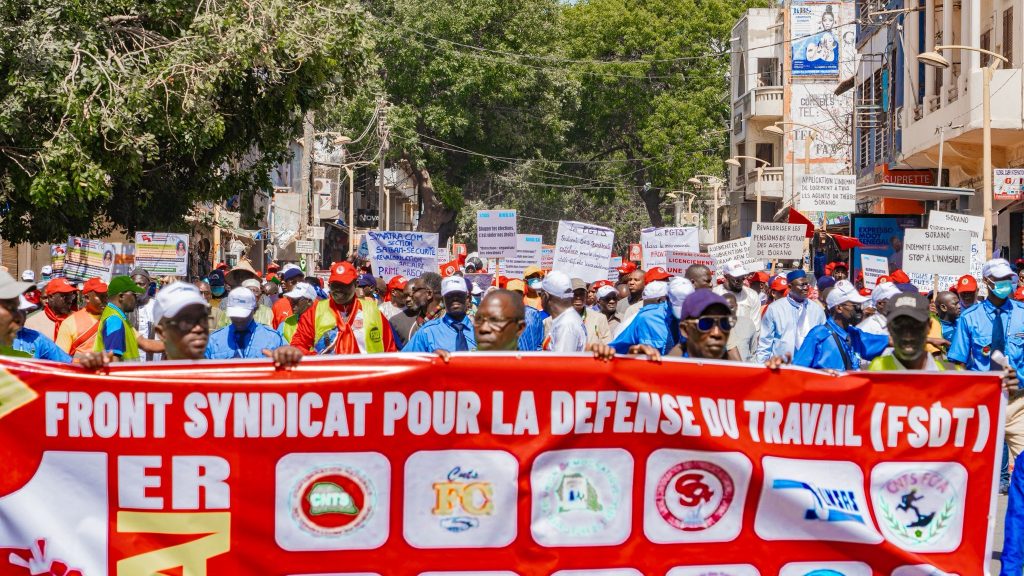
FSDT: October 2026 Senegal Labor Code Strike Announced
Summary
- The Front syndical de défense du travail (FSDT) has announced a three-day work stoppage from October 21 to 23, 2026, protesting new labor code reforms in Senegal.
- The FSDT objects to proposed changes allowing fixed-term contracts (CDD) to extend up to four years and reforms affecting the autonomy of IPRES and the Caisse de sécurité sociale (CSS).
- This planned action follows a regional tour by the FSDT, which began on September 8, 2026, to mobilize members and an earlier 24-hour national strike call on July 10, 2026.
- The union federation demands the resumption of tripartite social dialogue involving the State, employers, and unions to discuss workers' rights and purchasing power.
What's Happening Now: FSDT Plans October 2026 Strike
Lawyers and compliance officers in Senegal are advised to closely monitor developments, as the outcome of this dispute could reshape the country's labor landscape, impacting everything from hiring practices to social contributions and overall industrial harmony.
The Front syndical de défense du travail (FSDT) is intensifying its campaign against recent Senegal employment law changes, announcing a significant three-day work stoppage. This FSDT débrayage octobre 2026 is scheduled to take place from October 21 to 23, 2026, marking a critical escalation in the ongoing dispute over the nation's labor regulations. The union federation is currently engaged in a regional tour, which commenced on September 8, 2026, to inform its members about an updated action plan and rally support for the upcoming industrial action.
As part of these preparatory efforts, a crucial meeting is slated for Wednesday, September 23, 2026, at the Confédération nationale des travailleurs du Sénégal (CNTS) headquarters in Thiès. This gathering aims to mobilize the union's base, reinforcing their commitment to the new phase of protest. The FSDT's campaign is being advanced under the rallying cries of “Plus forts ensemble pour défendre nos droits” (Stronger together to defend our rights) and “Ensemble pour un travail décent et des droits mieux garantis” (Together for decent work and better guaranteed rights), underscoring their resolve to challenge the government's recent legislative moves.
Contested Reforms: Senegal Labor Code and Social Security
At the heart of the FSDT strike October 2026 Senegal labor code dispute are new legislative proposals adopted in mid-August 2026, which the union federation claims were enacted without adequate prior consultation. The FSDT specifically objects to provisions within the Senegal labor code reform CDD that would permit the extension of fixed-term contracts (CDD) to a duration of up to four years. This particular change is viewed as a significant erosion of workers' rights and job security.
Beyond the modifications to employment contracts, the FSDT also voices strong opposition to proposed IPRES CSS reforms Senegal. These changes, affecting the social security institutions IPRES and the Caisse de sécurité sociale (CSS), are perceived by the union as measures that could undermine the independence and operational autonomy of these vital bodies. The federation argues that such alterations could have detrimental long-term effects on social protection for workers across the country.
Escalating Industrial Action and Demands
The planned FSDT débrayage octobre 2026 is the latest in a series of protest actions initiated by the Front syndical de défense du travail over several months. The union's discontent became particularly pronounced on July 10, 2026, when it called for a 24-hour national general strike. This earlier call to action followed the submission of the controversial reform bills to the National Assembly's Law Commission, signaling the FSDT's immediate and strong disapproval of the legislative process.
Further demonstrating its determination, the FSDT had, also in July 2026, threatened a more extensive 72-hour general strike and a national march if the proposed texts were not withdrawn. The union now explicitly demands the re-establishment of a tripartite social dialogue, involving the State, employer organizations, and trade unions. This dialogue, according to the FSDT, should address critical issues such as workers' purchasing power and the broader spectrum of workers' rights, aiming for a consensual resolution to the current impasse. Mody Guiro, the Secretary General of the CNTS, previously delivered a statement on behalf of the FSDT during a press conference dedicated to these reform projects, highlighting the unified front among labor organizations.
Implications for Senegal's Labor Landscape
The impending FSDT strike October 2026 Senegal labor code changes present significant challenges for employers and legal professionals operating within the country. The proposed Senegal employment law changes, particularly the extended duration for CDDs and the IPRES CSS reforms Senegal, could fundamentally alter employment contracts and social security obligations. Businesses should anticipate potential disruptions during the three-day work stoppage and assess the implications of these contested reforms on their workforce management strategies and compliance requirements.
The FSDT's sustained and escalating mobilization underscores the deep divisions surrounding these legislative amendments. The union's insistence on a tripartite social dialogue highlights the importance of consensus-building in labor relations. Lawyers and compliance officers in Senegal are advised to closely monitor developments, as the outcome of this dispute could reshape the country's labor landscape, impacting everything from hiring practices to social contributions and overall industrial harmony. The union's actions reflect a broader concern for the protection of workers' rights amidst significant legislative shifts.
Practical Implications
Lawyers and compliance officers in Senegal should monitor the FSDT's planned strike in October 2026 for potential business disruptions and advise clients on the contested labor code reforms, particularly regarding the extended duration of fixed-term contracts (CDD) and changes to IPRES/CSS, which could impact employment contracts, social security obligations, and overall labor relations.
Source
How does this affect you?
Get an AI analysis of this article grounded in your jurisdictions, practice areas, and any policy documents you've uploaded to Wansom.
Finish Reading the Full Story and the Expert Analysis.
Get the latest legal & regulatory intelligence in Senegal
Wansom is AI and can make mistakes.