
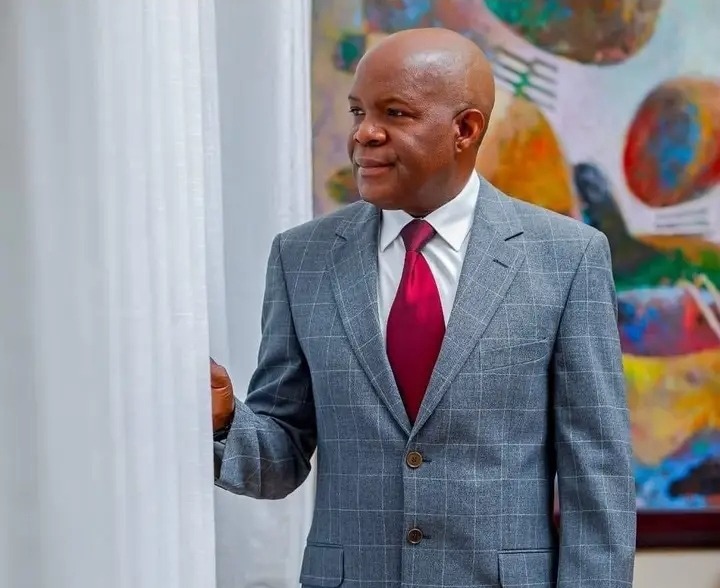
Fred M'membe Zambia Army Constitutional Paradox: M'membe Lectures Military
Summary
- Fred M'membe delivered a lecture to Zambia Army Commanders, General Staff, and Commissioned Officers.
- The lecture was titled "THE CONSTITUTIONAL PARADOX: BALANCING NATIONAL SECURITY WITH DEMOCRATIC EXPRESSION."
- The address explored the relationship between the military and sovereign citizens within a constitutional democracy.
- The event signals an internal focus within the Zambia Army on constitutional principles and civil-military relations.
A Focus on Constitutional Principles within the Zambia Army
The engagement signals a deliberate effort to foster a deeper understanding of constitutional law within the Zambia Army, emphasizing the delicate equilibrium required in a nation governed by law.
Fred M'membe recently delivered a significant lecture to a key audience within the Zambia Army, addressing the intricate relationship between state power and individual liberties. The presentation, titled "THE CONSTITUTIONAL PARADOX: BALANCING NATIONAL SECURITY WITH DEMOCRATIC EXPRESSION," was specifically tailored for Army Commanders, members of the General Staff, and all Commissioned Officers. This assembly included both current and future leaders of the Zambian military, underscoring the importance placed on the subject matter for the institution's strategic direction and operational conduct.
The lecture's central theme, as indicated by its title, delves into a fundamental challenge faced by all constitutional democracies: how to reconcile the imperative of safeguarding national security with the equally vital protection of democratic expression. This topic is particularly pertinent for military personnel, who are often at the forefront of enforcing state authority while operating within a framework designed to uphold citizens' rights. The engagement signals a deliberate effort to foster a deeper understanding of constitutional law within the Zambia Army, emphasizing the delicate equilibrium required in a nation governed by law.
Navigating the Constitutional Paradox in Zambia
The core of M'membe's address, "The Constitutional Paradox," directly confronts the inherent tension between the state's legitimate need to protect itself and its citizens, and the constitutional guarantees of free speech and assembly that underpin a democratic society. In Zambia, as in many nations, the military's role is defined by its duty to defend the nation while respecting the constitutional order. This requires a nuanced understanding of where the boundaries lie, particularly when national security concerns might appear to clash with the exercise of democratic freedoms.
The lecture's introductory framing, "The Soldier and the Sovereign Citizen," further highlights this critical dynamic. It posits the military professional not merely as an enforcer of state power, but as a citizen themselves, operating within a system where ultimate sovereignty rests with the people. This perspective is crucial for understanding Zambia civil-military relations law, which mandates that the armed forces remain subordinate to civilian authority and operate strictly within the confines of the nation's constitutional framework. The discourse on this constitutional law for the Zambia Army is vital for ensuring that military actions consistently align with democratic principles.
Why This Engagement Matters for Zambia's Legal Landscape
The decision by the Zambia Army to host a lecture on such a sensitive and fundamental topic, delivered by Fred M'membe, carries significant implications for the country's legal and political landscape. It suggests a proactive internal focus within the military on constitutional principles, particularly concerning the delicate balance between national security and democratic expression. For legal professionals and civil society observers, this event is a strong indicator of the ongoing dialogue and education within state security organs regarding their constitutional obligations.
Lawyers in Zambia should closely monitor how these principles, discussed during the lecture, are interpreted and subsequently applied in practice by the Zambia Army. The insights gained from such internal military education could influence future policy decisions, shape the military's approach to public order situations, and potentially impact legal challenges related to human rights or interactions between citizens and security forces. This engagement underscores the importance of a well-informed military leadership that understands its role in upholding the constitutional order, ensuring that the balancing act between national security and democratic expression is performed with due regard for the rule of law.
Practical Implications
This lecture signals an ongoing focus within the Zambian military on constitutional principles, particularly the balance between national security and democratic expression. Lawyers should monitor how these principles are interpreted and applied in practice, as it could influence future policy, legal challenges, or advice concerning human rights, public order, and interactions with state security organs in Zambia.
Source
How does this affect you?
Get an AI analysis of this article grounded in your jurisdictions, practice areas, and any policy documents you've uploaded to Wansom.
Finish Reading the Full Story and the Expert Analysis.
Wansom is AI and can make mistakes.