
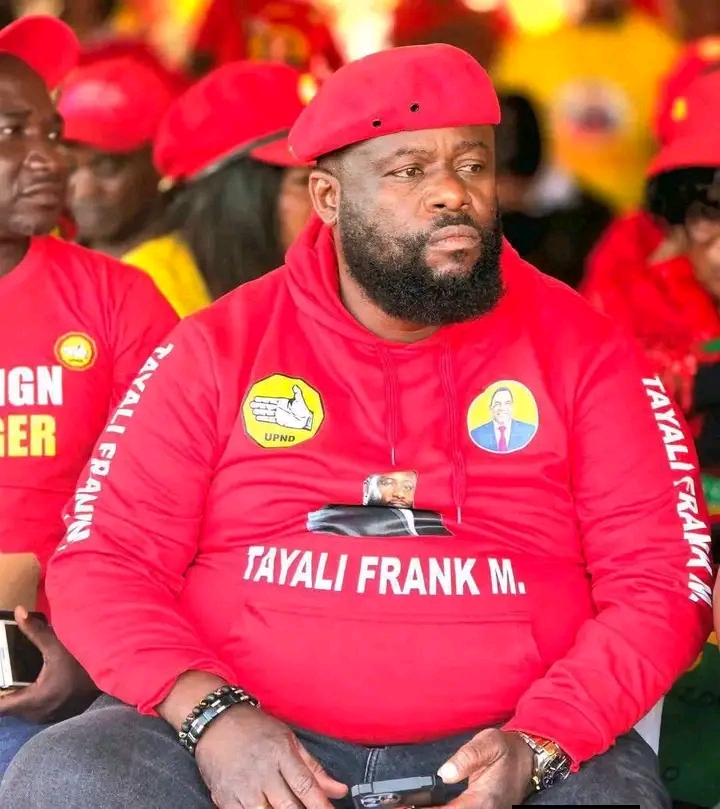
Ndola High Court: Frank Tayali Loses Ndola Election Petition
Summary
- The Ndola High Court dismissed an election petition filed by Frank Museba Tayali.
- Tayali had challenged the election of Emmanuel Mulenga as the Member of Parliament for Ndola Central.
- The court ruled on November 25, 2026, that the petition did not meet the statutory threshold.
- Emmanuel Mulenga's election as Ndola Central MP was thereby upheld.
What Happened
This judicial interpretation provides a critical precedent for legal practitioners advising clients on the viability and specific requirements of future election petitions, emphasizing the high bar for overturning electoral outcomes.
The Ndola High Court has ruled against Frank Museba Tayali, the former Member of Parliament for Ndola Central, dismissing his challenge to the election of Emmanuel Mulenga. This decision, handed down on November 25, 2026, confirms Mulenga's position as the duly elected representative for the Ndola Central constituency. Tayali had initiated the legal proceedings to contest the validity of Mulenga's electoral victory.
The court's judgment effectively concludes the election petition filed by Tayali, which sought to overturn the results of the Ndola Central parliamentary election. The dismissal means that the High Court found the grounds presented by Tayali insufficient to warrant a nullification of the election outcome. This outcome solidifies Emmanuel Mulenga's tenure as the sitting Member of Parliament.
Legal Context
Central to the Ndola High Court's decision was the determination that the election petition did not satisfy the requisite "statutory threshold." This legal standard refers to the specific evidentiary burden and legal requirements that must be met for an election challenge to succeed in Zambian courts. Petitioners are obligated to present compelling evidence demonstrating that irregularities or illegalities significantly impacted the election's integrity or outcome.
The ruling in the Emmanuel Mulenga election petition clarifies the stringent evidentiary burden necessary for a successful challenge to election results in Zambia. It underscores that merely alleging impropriety is insufficient; petitioners, such as Frank Tayali, must provide concrete proof that reaches a predefined legal benchmark. This judicial interpretation provides a critical precedent for legal practitioners advising clients on the viability and specific requirements of future election petitions, emphasizing the high bar for overturning electoral outcomes.
Why It Matters
This Ndola High Court election ruling holds significant implications for the landscape of electoral disputes in Zambia. By dismissing the Ndola Central MP challenge due to the failure to meet the statutory threshold, the court has reinforced the principle that election results, once declared, carry a strong presumption of validity. This makes it more challenging for losing candidates to overturn outcomes without substantial and legally sound evidence.
The decision serves as a clear signal regarding the judicial approach to election petitions, particularly concerning the standard of proof required. It suggests that future challenges will face rigorous scrutiny, compelling petitioners to meticulously prepare their cases and ensure they can demonstrate a clear breach of electoral law that materially affected the result. This outcome could influence how political parties and candidates approach post-election legal strategies, potentially reducing frivolous petitions while ensuring that legitimate grievances still have a pathway to justice if the high evidentiary bar is met.
Practical Implications
This High Court ruling clarifies the evidentiary burden and 'statutory threshold' required to successfully challenge election results in Zambian courts, providing precedent for lawyers advising clients on the viability and requirements of future election petitions.
Source
How does this affect you?
Get an AI analysis of this article grounded in your jurisdictions, practice areas, and any policy documents you've uploaded to Wansom.
Finish Reading the Full Story and the Expert Analysis.
Get the latest legal & regulatory intelligence in Zambia
Wansom is AI and can make mistakes.