
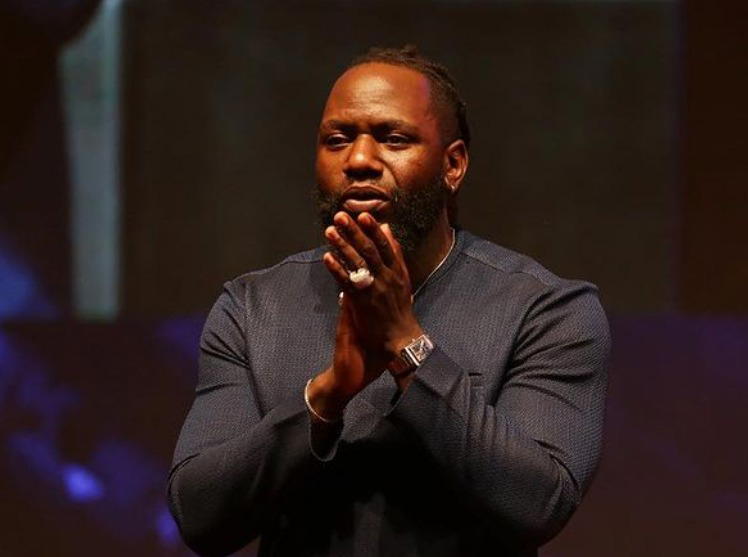
Fountain of Life Church: Removes Jimmy Odukoya as Senior Pastor
Summary
- The Board of Trustees of the Fountain of Life Church in Lagos removed Pastor Jimmy Odukoya from his role as senior pastor.
- This decision was made to enforce the succession arrangements established by the church's late founder, Pastor Taiwo Odukoya.
- The action highlights the critical importance of robust, pre-determined succession plans in religious organizations.
- The Board's move underscores the role of governance bodies in upholding institutional integrity and founder's directives.
Leadership Transition at Fountain of Life Church
The Board of Trustees' decision to enforce the founder's succession plan demonstrates a commitment to institutional integrity over individual leadership preferences, a principle that can guide other organizations facing similar transitions.
The Board of Trustees of the Fountain of Life Church, a prominent religious institution based in Lagos, has recently announced the removal of Pastor Jimmy Odukoya from his role as senior pastor. This decision, which represents a significant shift in the church's leadership, was made with the stated purpose of enforcing the succession arrangements originally established by the church's late founder, Pastor Taiwo Odukoya. The action highlights the critical role of governance bodies in upholding the long-term vision and structural integrity of religious organizations.
The move by the Board of Trustees underscores the importance of pre-determined leadership frameworks, especially in institutions founded by charismatic figures. By acting to enforce the succession plan, the Board is signaling its commitment to the legacy and directives of Pastor Taiwo Odukoya, ensuring that the transition of leadership aligns with the founder's established guidelines. This adherence to a pre-existing blueprint is a key aspect of maintaining stability and continuity within the church community following the passing of its visionary leader.
The enforcement of these arrangements by the Board of Trustees indicates a deliberate effort to manage the sensitive process of leadership change according to established internal protocols. Such actions are often critical for religious organizations to navigate periods of transition smoothly, ensuring that the institution's mission and operations remain consistent with its founding principles. The Board's decision regarding Jimmy Odukoya's position as senior pastor reflects a direct implementation of these foundational governance principles.
The Importance of Succession Planning and Governance
This development at the Fountain of Life Church serves as a compelling illustration of the paramount importance of robust succession planning within religious institutions, particularly those that have grown significantly under the guidance of a founder. The explicit reason cited for Pastor Jimmy Odukoya's removal—to enforce the succession arrangements established by Pastor Taiwo Odukoya—highlights that a clear, documented plan was in place, designed to guide the church through leadership transitions. Such foresight is vital for ensuring stability, preventing internal disputes, and maintaining the organizational mission after the departure or passing of a key leader.
Effective succession planning, as demonstrated by the actions of the Fountain of Life Church's Board of Trustees, involves not just identifying future leaders but also establishing clear processes and criteria for their appointment and roles. For Nigerian church leadership change, these arrangements often reflect the founder's long-term vision for the institution, aiming to preserve its theological direction and community impact. The Board's decision to act on Pastor Taiwo Odukoya's succession plan emphasizes the weight and authority given to such foundational governance documents, which are crucial for the institution's enduring health.
The legal and administrative frameworks governing religious organizations in Nigeria often empower a Board of Trustees to act as the ultimate custodians of the institution's charter and founding principles. In this context, the Board's enforcement of the Fountain of Life Church succession arrangements is a demonstration of its fiduciary duty to uphold the church's established governance. This action underscores the necessity for all religious bodies to have meticulously crafted and legally sound succession plans and governance documents, ensuring clarity and preventing ambiguity in leadership transitions.
Broader Implications for Religious Institutions
The situation at the Fountain of Life Church, involving the removal of Jimmy Odukoya as senior pastor, offers a significant case study for other religious and non-profit organizations. It highlights the critical need for proactive and legally sound succession planning, especially in environments where founders play an outsized role in establishing the institution's identity and direction. The Board of Trustees' decision to enforce the founder's succession plan demonstrates a commitment to institutional integrity over individual leadership preferences, a principle that can guide other organizations facing similar transitions.
This event underscores that robust governance documents are not merely formalities but essential tools for long-term organizational health. They provide a clear roadmap for leadership changes, helping to mitigate potential conflicts and ensure that the institution's mission continues uninterrupted. For legal counsel advising religious organizations or non-profits in Nigeria, this development reinforces the importance of ensuring that such bodies have comprehensive and legally enforceable succession plans in place, capable of withstanding scrutiny and guiding decisive action when necessary.
The adherence to the Pastor Taiwo Odukoya succession plan by the Fountain of Life Church's Board of Trustees sets a precedent for how established protocols can be upheld even in sensitive leadership matters. This approach can serve as a model for promoting transparency and accountability in Nigerian church leadership change, fostering greater trust among congregants and stakeholders. Ultimately, the emphasis on enforcing pre-existing arrangements reinforces the idea that institutional longevity and adherence to founding principles are paramount.
Practical Implications
This development underscores the critical importance for legal counsel advising religious organizations or non-profits in Nigeria to ensure robust and legally sound succession planning and governance documents are in place to prevent disputes and ensure smooth transitions, particularly when founders are involved.
Source
How does this affect you?
Get an AI analysis of this article grounded in your jurisdictions, practice areas, and any policy documents you've uploaded to Wansom.
Finish Reading the Full Story and the Expert Analysis.
Get the latest legal & regulatory intelligence in Nigeria
Wansom is AI and can make mistakes.