
Forest Service Private Well Jurisdiction Arizona: Mine Case Tests Authority
Summary
- Conservation groups are suing the U.S. Forest Service and U.S. Fish and Wildlife Service over the approval of the Pinto Valley Mine expansion in Arizona.
- The lawsuit alleges violations of NEPA and ESA due to the mine's extensive groundwater pumping from private wells, which has severely reduced Pinto Creek's flow and impacted endangered birds.
- The Forest Service claims it lacks authority to regulate water extraction from private wells, while conservationists argue the agency's own documents suggest otherwise.
- The Arizona Department of Water Resources previously declined a Forest Service request to intervene regarding the mine's water use, despite the federal agency's instream water right.
- The case will clarify the extent of federal regulatory power over private land activities that degrade adjacent public lands and their resources, especially regarding groundwater.
The Core Dispute Over Mine Expansion
This ongoing litigation holds significant implications for defining the scope of federal environmental authority, particularly concerning the Forest Service private well jurisdiction Arizona.
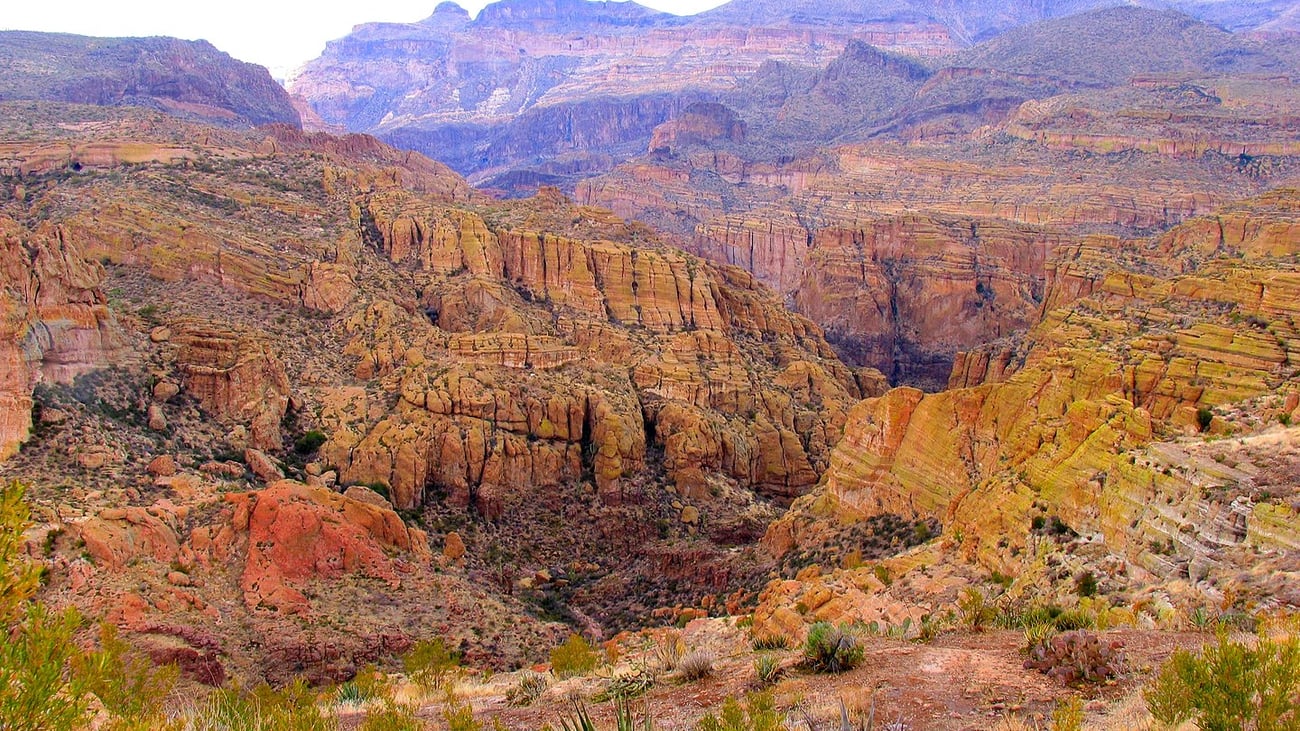
A significant legal challenge has emerged in Arizona concerning the expansion of the Pinto Valley Mine, situated within the Tonto National Forest area, east of Miami. Conservation groups, including the Sierra Club and Earthjustice, have initiated a lawsuit alleging that federal agencies, specifically the U.S. Forest Service and U.S. Fish and Wildlife Service, violated both the National Environmental Policy Act (NEPA) and the Endangered Species Act (ESA). Their complaint centers on the approval of the mine's expansion without imposing limits on its substantial groundwater extraction from nearby private wells.
The mine, operated by Capstone Copper since 2013, extracts copper and consumes over 5 trillion gallons of water annually. This extensive water use has had a severe environmental impact, notably reducing the subflow of Pinto Creek. Over the past decade, the creek's flow has diminished by more than 90%, with an 82% decrease observed between 2013 and 2018 alone. Pinto Creek is a critical habitat for at least two endangered bird species: the yellow-billed cuckoo and the southwestern willow flycatcher, whose survival is threatened by the reduced water levels.
The central point of contention in this case, currently being heard by U.S. District Judge Dominic Lanza in a Phoenix courtroom, revolves around the source of the mine's water. The majority of the water is drawn from privately owned wells situated on private land, which the federal government contends falls outside the direct regulatory purview of the Forest Service. Consequently, the government asserts it lacks the authority to restrict the volume of water the mine pumps from these private sources, despite the demonstrable impact on adjacent public lands and protected species.
Conflicting Interpretations of Federal Authority
Conservationists, represented by Earthjustice attorney Thomas Delehanty, argue that the Forest Service's claim of no authority over private well pumping is unfounded. Delehanty contends that federal agencies can and should regulate activities on private land if those activities materially harm conditions on nearby public lands or their resources. He highlighted that Forest Service regulations mandate the agency to safeguard its natural resources, and federal law requires mine operators to implement “all practical measures” to maintain and protect affected fisheries and habitats.
Further bolstering their argument, the conservation groups point to the Forest Service's own final environmental impact statement (EIS) from 2021, which approved the mine's expansion. In this document, the agency acknowledged that the use of private wells was “consolidated and authorized under the mine operations,” rather than being treated as a distinct, private undertaking. Delehanty interprets this as an explicit recognition by the agency that it possesses the regulatory capacity over these water sources. The 2024 lawsuit specifically accuses the Forest Service of ignoring evidence of harm to endangered species and facilitating the destruction of a creek it was tasked with protecting.
Conversely, Andrew Smith, an attorney for the Department of Justice representing the Forest Service, acknowledged that all mining operations inherently cause some degree of land degradation. However, he argued against federal intervention, asserting that preventing such degradation should not override a private operation's exercise of its state-granted water rights. Smith emphasized that the regulation of groundwater pumping from private wells typically falls under state, not federal, jurisdiction, thereby limiting the Forest Service's ability to impose conditions on the mine's water usage.
Regulatory Standoff and Mine's Position
The current legal dispute follows a previous attempt by the Forest Service to address the mine's water consumption. In 2019, recognizing the severe decline in Pinto Creek's flow, the Forest Service requested the Arizona Department of Water Resources to declare the mine's water use in violation of the Forest Service's own instream water right. This right, established in 1999, was specifically intended to prevent mining operations from degrading the creek. However, the state department declined the Forest Service's request, leaving the federal agency, by its own account, with no alternative but to approve the mine's water use and subsequent expansion proposal.
Adding another layer to the complex situation, Norm James, an attorney from Dorsey & Whitney representing Capstone Copper, argued that even if U.S. District Judge Lanza were to vacate the Forest Service's approval of the expansion, it would not prevent his client from continuing to pump water from the private wells. This stance underscores the mine's position that its water extraction from private sources is largely independent of the federal approval process for the expansion itself, highlighting the perceived gap in federal regulatory oversight.
Broader Implications for Federal Oversight
This ongoing litigation holds significant implications for defining the scope of federal environmental authority, particularly concerning the Forest Service private well jurisdiction Arizona. The outcome will clarify the extent to which federal agencies, such as the Forest Service, can regulate activities on private land that demonstrably impact adjacent public lands and protected species. It directly addresses the tension between federal mandates for environmental protection under laws like NEPA and ESA, and state-level jurisdiction over water rights.
The case could establish a crucial precedent regarding federal oversight of groundwater extraction by private entities when that extraction affects public resources, especially in the context of large-scale industrial operations like the Pinto Valley Mine. A ruling in favor of the conservation groups could expand the perceived regulatory reach of federal agencies, compelling them to impose conditions on private activities that degrade public lands. Conversely, a ruling upholding the Forest Service's current position could reinforce the limitations of federal authority over private water rights, potentially leaving critical public resources vulnerable to impacts from adjacent private operations.
Practical Implications
This case will clarify the extent of federal agencies' (specifically the Forest Service's) regulatory authority over private land activities that degrade adjacent public lands, particularly concerning groundwater extraction and its impact on endangered species. Lawyers advising clients on land use, environmental compliance, or mining operations near federal lands should monitor the court's ruling for precedent on federal vs. state jurisdiction over water rights and environmental protection.
Source
Source: Original reporting via CN
How does this affect you?
Get an AI analysis of this article grounded in your jurisdictions, practice areas, and any policy documents you've uploaded to Wansom.
Finish Reading the Full Story and the Expert Analysis.
Get the latest legal & regulatory intelligence in United States
Wansom is AI and can make mistakes.