
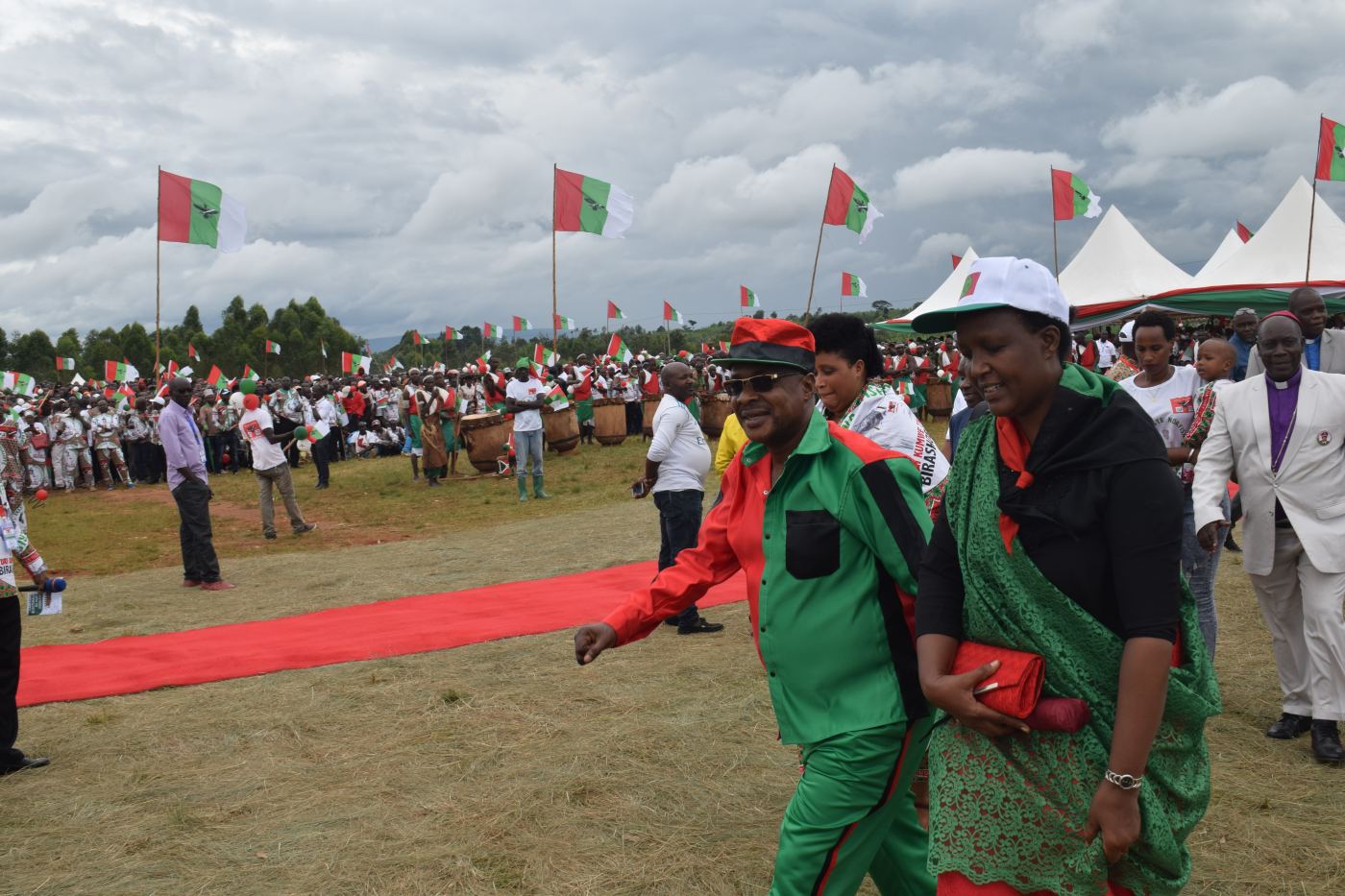
FNL Burundi: Seeks Political Prisoner Amnesty, Lift Arrest Warrants
Summary
- The Forces nationales de libération (FNL) party has requested President Évariste Ndayishimiye to grant amnesty to political prisoners.
- The FNL also called for the lifting of arrest warrants targeting other individuals in Burundi.
- FNL President Jacques Bigirimana made this request on Sunday, September 27, following a national congress.
- The congress specifically focused on the FNL's political stance for the 2027 presidential election.
Key Request Emerges
President Ndayishimiye's response to the FNL's request holds substantial implications for Burundi's political stability and human rights landscape.
The Forces nationales de libération (FNL) political party has formally appealed to Burundi's President, Évariste Ndayishimiye, advocating for a comprehensive amnesty for individuals it identifies as political prisoners. This significant request also includes a call for the revocation of existing arrest warrants targeting other individuals. The appeal was publicly articulated by Jacques Bigirimana, who serves as the president of the FNL.
This pivotal declaration was made on Sunday, September 27, following the conclusion of the party's national congress. A primary focus of this congress was to delineate the political formation's strategic position in anticipation of the 2027 presidential election. The timing and context of this request underscore its political weight, positioning the FNL's appeal as a key development in Burundi's political landscape.
The FNL's Political Stance
The Forces nationales de libération, commonly known as FNL, represents a notable political entity within Burundi. Its decision to publicly support President Ndayishimiye by making such a direct appeal for amnesty is a significant political maneuver. The party's national congress, which preceded this request, specifically addressed its future electoral strategy, particularly concerning the 2027 presidential contest. This indicates a calculated move designed to influence the political discourse and potentially align the FNL's objectives with the current administration's actions.
Jacques Bigirimana, as the FNL's president, is the authoritative voice behind this appeal, lending institutional weight to the call for clemency. The party's focus on the upcoming presidential election suggests that their advocacy for political prisoners and the lifting of arrest warrants is intertwined with broader political considerations and their role in shaping Burundi's future governance. The FNL's engagement highlights the ongoing political dynamics and the various pressures exerted on the presidential office regarding issues of justice and reconciliation.
Legal and Regulatory Implications
An amnesty, as requested by the FNL, constitutes a formal act of pardon that would legally absolve individuals from certain offenses, particularly those deemed political in nature. If granted by President Ndayishimiye, such a measure would have profound legal ramifications for those currently incarcerated or facing judicial proceedings on political grounds. It would effectively terminate their prosecution or nullify their convictions, leading to their release. Concurrently, the lifting of arrest warrants would remove the legal basis for apprehending individuals who are presently sought by authorities, thereby allowing them to return to normal life without fear of immediate detention.
The President's power to grant amnesty is a critical component of executive authority in many legal systems, often used in contexts of national reconciliation or political transition. The FNL's specific appeal for the lifting of arrest warrants points to a desire to address not only those already imprisoned but also individuals living under the threat of arrest, thereby broadening the scope of potential beneficiaries. This dual request underscores a comprehensive approach to resolving outstanding political grievances through legal mechanisms, aiming to alter the legal status of numerous individuals.
Why This Matters for Burundi
President Ndayishimiye's response to the FNL's request holds substantial implications for Burundi's political stability and human rights landscape. A decision to grant amnesty and lift arrest warrants would directly affect the legal status and personal freedom of numerous individuals currently detained or facing legal jeopardy for political reasons. Such a move could be interpreted as a step towards national reconciliation, potentially easing political tensions and fostering a more inclusive political environment ahead of the 2027 elections.
Conversely, a rejection or delay in addressing the FNL's appeal could maintain the existing legal pressures on political dissidents and those perceived as opponents, potentially exacerbating political divisions. The outcome will be closely watched by legal observers, human rights organizations, and political stakeholders, as it will signal the administration's stance on political freedoms and its willingness to engage with calls for clemency. The FNL's initiative thus places a significant decision before the President, with far-reaching consequences for the rule of law and political participation in Burundi.
Practical Implications
Lawyers and compliance officers should closely monitor President Ndayishimiye's response to the FNL's request for amnesty, as its approval would directly impact individuals currently detained or facing arrest warrants for political reasons in Burundi, potentially altering their legal status and ongoing cases.
Source
How does this affect you?
Get an AI analysis of this article grounded in your jurisdictions, practice areas, and any policy documents you've uploaded to Wansom.
Finish Reading the Full Story and the Expert Analysis.
Get the latest legal & regulatory intelligence in Burundi
Wansom is AI and can make mistakes.