
Fifth Circuit: Fund Texas Choice v Deski Challenges Abortion Travel Prosecution
Summary
- Texas nonprofit groups are seeking federal court protection from prosecution under a 150-year-old state law.
- The case, *Fund Texas Choice v. Deski*, challenges the potential criminalization of assisting Texans with out-of-state abortion travel.
- Plaintiffs argue that district attorneys are not immune from suit and that a prior Fifth Circuit ruling (Mi Familia Vota v. Ogg) unduly restricts pre-enforcement review.
- Defense attorneys contend the old law does not apply to out-of-state travel assistance and that no prosecutor has threatened enforcement.
- The Fifth Circuit's decision will clarify the legal risks for organizations facilitating abortion access in Texas.
The Challenge to Texas's Abortion Statute
The plaintiffs' core contention is that they should not be forced to operate under the constant uncertainty of whether their efforts to assist individuals in accessing out-of-state abortion care constitute a crime.
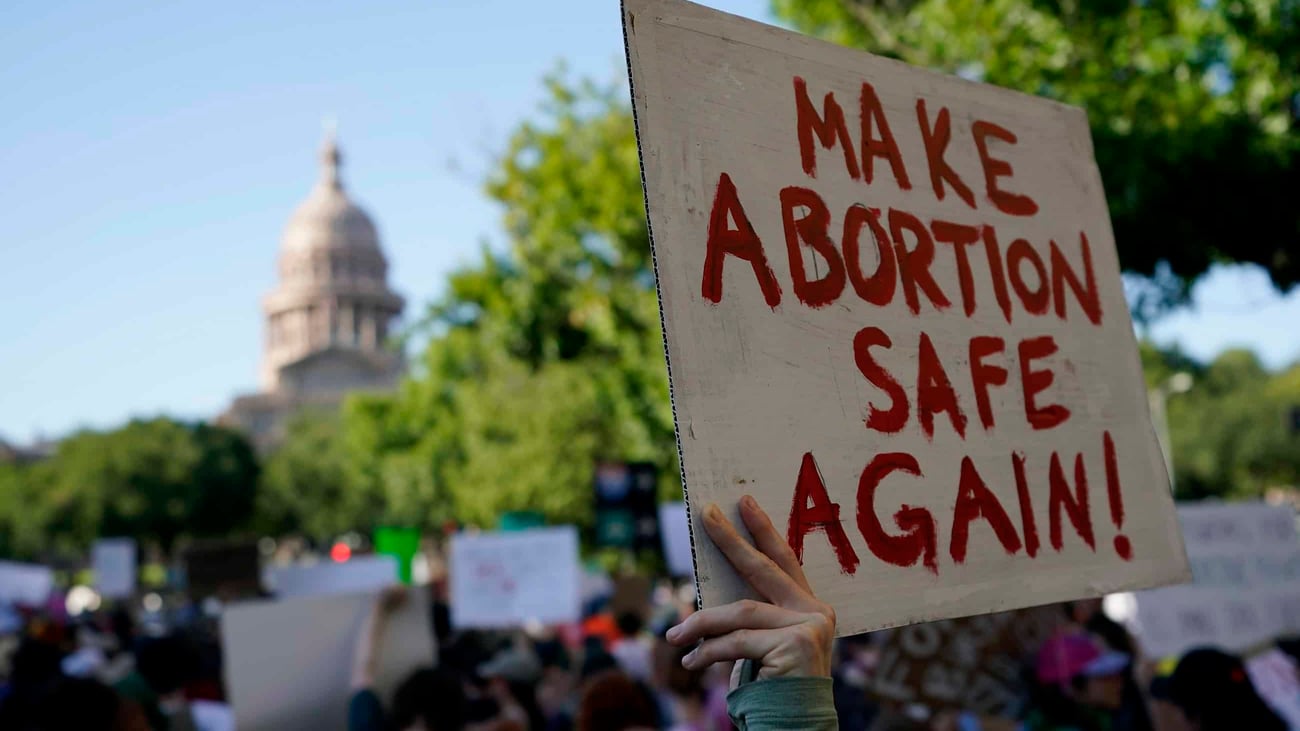
Texas nonprofit organizations that facilitate travel for women seeking abortions in states where the procedure remains legal have petitioned the Fifth Circuit to preemptively safeguard them from criminal charges. This legal action, known as *Fund Texas Choice v. Deski*, emerged from the legal ambiguities that followed the Supreme Court's 2022 decision to overturn *Roe v. Wade*.
The groups are specifically targeting a 150-year-old Texas statute, which a physician serving on one of the plaintiffs' boards, Dr. Ghazaleh Moayedi, fears could be interpreted as making it a felony to "furnish the means for procuring an abortion." Since the *Dobbs* ruling, Texas officials have asserted that pre-Roe laws are once again in effect, with the state Legislature, through Senate Bill 8, affirming that these older statutes were never repealed.
However, the Fifth Circuit itself previously held a contrasting view, suggesting that these historical laws had been implicitly repealed. The plaintiff groups initiated their lawsuit against local district attorneys, arguing they should not be compelled to speculate whether providing travel assistance constitutes a criminal offense. They are seeking a court declaration that their activities are legally protected or that the antiquated law is inapplicable to their work.
Navigating Pre-Enforcement Review and Sovereign Immunity
During oral arguments, attorney John P. Atkins, representing the plaintiffs, asserted that the lower court's dismissal of the case was erroneous. He highlighted the significant limitations imposed by the Fifth Circuit's decision in *Mi Familia Vota v. Ogg*, which severely restricts the ability of plaintiffs to seek pre-enforcement review for potential constitutional violations. This precedent is central to the plaintiffs' struggle for legal clarity regarding the *Texas abortion travel assistance prosecution*.
Atkins further contended that Texas district attorneys are not state officials and, consequently, are not entitled to sovereign immunity. He argued that if the court were to agree with this interpretation, it would alleviate substantial fear among his clients, effectively achieving their goal of not facing enforcement under the statute. However, the judges quickly interjected, pressing Atkins to pinpoint the specific error made by the lower court or to demonstrate how his clients had suffered an injury.
Adding to the uncertainty, Travis County District Attorney José Garza, who is currently facing a removal petition, indicated that his office would pursue any case with probable cause. Atkins characterized this statement as "an affirmative statement of a willingness to enforce," emphasizing that a prosecutor's discretion to enforce a law implies a readiness to do so, even if not explicitly against the specific plaintiffs.
Conflicting Legal Interpretations and Standing
Heather Hacker, the attorney representing several district attorneys, questioned the very premise of the lawsuit, asking why it was brought at all. She pointed out that the plaintiffs themselves acknowledge in their complaint that the Texas Court of Criminal Appeals has maintained for over a century that the laws they are challenging do not apply to their specific conduct, which involves assisting with abortions outside of Texas. Hacker stressed that no Texas prosecutor has utilized the old law against these groups, nor have any of the state's hundreds of elected district attorneys issued threats to do so.
U.S. Circuit Judge Stephen A. Higginson, an appointee of former President Barack Obama, posed a practical question: if district attorneys cannot be sued, who in Texas would be responsible for bringing such a charge? Hacker responded that the DAs are indeed the appropriate officials in theory, but they have not yet taken any action that would warrant federal court intervention. She suggested a more straightforward resolution for the court, advising against getting entangled in immunity rules.
Instead, Hacker proposed that the court should determine that the groups lack standing because the 150-year-old law does not encompass paying for travel or lodging expenses for out-of-state abortions. This argument directly addresses the scope of the *Texas pre-Roe abortion statute challenge* and the applicability of the law to the plaintiffs' activities. While district attorneys who submitted affidavits in the case confirmed that no investigations or prosecutions have been initiated under the law, most remained silent regarding their intentions for future prosecutions, contributing to the ongoing legal ambiguity.
Implications for Abortion Access and Legal Certainty
The *Fund Texas Choice v Deski Fifth Circuit* case carries significant weight for organizations and individuals involved in facilitating abortion access for Texans. The court's ultimate ruling will provide crucial clarity regarding the potential criminal liability under the 150-year-old statute for those who assist with out-of-state abortion travel. This decision will directly influence the compliance risks and legal strategies for such groups operating within Texas.
The outcome will also further define the scope of *Fifth Circuit pre-enforcement review abortion* cases, particularly in the context of constitutional challenges to state laws. The arguments surrounding *Texas district attorney sovereign immunity* and the interpretation of the antiquated statute's applicability to modern travel assistance are central to establishing legal certainty in a post-Roe landscape. The plaintiffs' desire to avoid operating under the constant threat of prosecution underscores the urgent need for a definitive judicial pronouncement on these complex issues.
Practical Implications
Lawyers advising organizations or individuals involved in facilitating abortion access in Texas should closely monitor the *Fund Texas Choice v. Deski* outcome. This case will clarify the potential criminal liability under a 150-year-old Texas statute for assisting out-of-state abortion travel, and the Fifth Circuit's stance on pre-enforcement review, directly impacting compliance risk and legal strategy for such groups.
Source
How does this affect you?
Get an AI analysis of this article grounded in your jurisdictions, practice areas, and any policy documents you've uploaded to Wansom.
Finish Reading the Full Story and the Expert Analysis.
Wansom is AI and can make mistakes.