
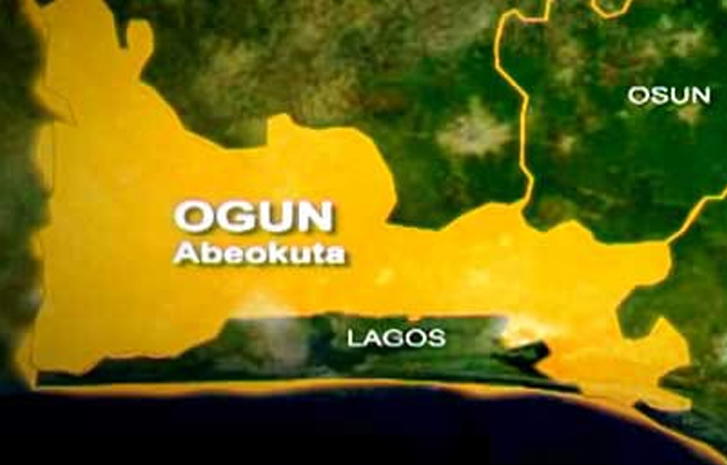
FG Deploys Experts: Ogun Gas Emissions Schools Under Investigation
Summary
- The Federal Government has dispatched a specialized technical team to Ogun State.
- This team will investigate recurring subsurface gas emissions in the Ijebu axis.
- The emissions have caused health concerns and disrupted academic activities in secondary schools.
Federal Intervention in Ogun State
The Federal Government's proactive step in deploying a specialized technical team to Ogun State carries significant implications beyond the immediate remediation efforts.
The Federal Government has initiated a significant intervention in Ogun State, dispatching a specialized technical team to address a pressing environmental issue. This deployment of experts to Ogun is specifically aimed at probing recurring subsurface gas emissions that have been a source of considerable worry. The presence of these emissions has directly impacted the well-being of residents and the educational environment in the affected areas.
The primary focus of this federal response is on secondary schools situated within the Ijebu axis of Ogun State. These educational institutions have reported significant disruptions to their academic schedules, directly attributable to the persistent gas releases. The move by the Federal Government to deploy experts to Ogun gas emissions schools underscores the seriousness with which authorities are treating this environmental hazard.
The Environmental Challenge and Its Impact
The core of the problem lies in the recurring nature of these subsurface gas emissions, which have consistently manifested in the specified region. These ongoing gas leaks have not only posed a direct threat to the health of students and staff but have also created an unstable learning environment. The repeated occurrences suggest a systemic issue that requires thorough investigation and a long-term solution.
Reports indicate that the emissions have triggered a range of health concerns among the school communities in Ijebu. These concerns are a direct consequence of exposure to the unidentified gases emanating from below the surface. Furthermore, the intermittent but persistent nature of the gas releases has led to repeated interruptions of academic activities, hindering the educational progress of students in the affected secondary schools. The situation highlights critical questions regarding Nigeria school environmental safety standards, particularly in areas prone to such geological phenomena.
The Scope of the Federal Investigation
In response to the escalating situation, the Federal Government has mobilized a specialized technical team, comprising Federal Government environmental experts Nigeria, to conduct a comprehensive Ogun State gas emissions investigation. This team's mandate is to thoroughly examine the source and composition of the recurring subsurface gas emissions in the Ijebu axis. Their work is crucial for understanding the underlying geological or anthropogenic factors contributing to these persistent leaks.
The investigation will likely involve detailed site assessments, air quality monitoring, and geological surveys to pinpoint the exact origins of the subsurface gas emissions Ogun. The findings from this specialized team are expected to inform subsequent remediation strategies and policy adjustments to prevent future occurrences. Addressing these Ijebu gas leaks health concerns effectively requires a robust scientific approach, which this federal deployment aims to provide.
Why It Matters
The Federal Government's proactive step in deploying a specialized technical team to Ogun State carries significant implications beyond the immediate remediation efforts. This intervention signals a heightened awareness and commitment from national authorities to address environmental hazards impacting public health and education. The recurring nature of the subsurface gas emissions in the Ijebu axis has created a precedent for federal involvement in localized environmental crises, especially when they affect critical public infrastructure like schools.
The outcome of this investigation will not only determine the necessary actions for the affected secondary schools but could also influence environmental safety protocols across other regions in Nigeria. Ensuring the safety of learning environments is paramount, and the disruption of academic activities due to these gas emissions underscores the urgent need for effective environmental monitoring and rapid response mechanisms. This situation highlights the critical importance of robust environmental oversight to protect vulnerable populations, particularly children in educational settings.
Practical Implications
Lawyers should advise schools and businesses in Ogun's Ijebu axis on potential environmental liabilities and compliance with health and safety regulations, anticipating new enforcement or remediation requirements following the federal investigation into recurring gas emissions.
Source
How does this affect you?
Get an AI analysis of this article grounded in your jurisdictions, practice areas, and any policy documents you've uploaded to Wansom.
Finish Reading the Full Story and the Expert Analysis.
Wansom is AI and can make mistakes.