
Festive Chicken Labour Court Strike: ZA Court Affirms Protected Action
Summary
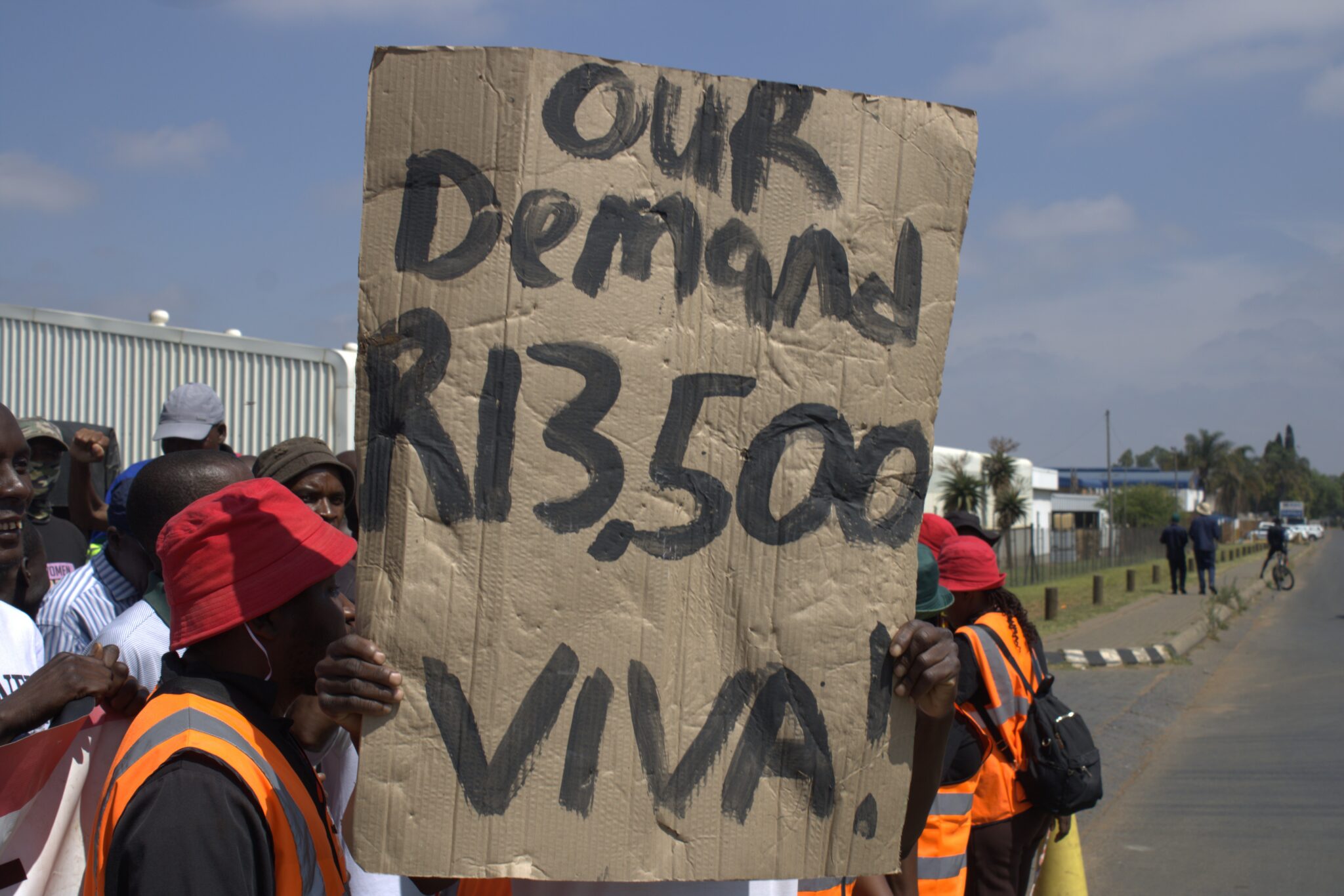
- Workers at Festive Chicken's Olifantsfontein plant are on a protected strike, demanding R13,500 monthly pay, medical aid, and safer conditions.
- The Labour Court declared the strike protected on October 30, barring the company from disciplining or dismissing participating employees.
- Astral Foods, Festive Chicken's parent company, claims the R13,500 wage demand is unaffordable and that only about 400 of 2,500 employees are striking.
- The strike stems from a wage deadlock at the CCMA and a refusal-to-bargain dispute with the Simunye Workers Forum, which Astral Foods does not recognize as a union.
- Employees report significant workload increases without pay adjustments and unsafe conditions, including inadequate dust protection and prolonged exposure to cold without proper gear.
What Happened
The Labour Court's swift declaration of the strike as protected, coupled with its injunction against disciplinary action or dismissal, highlights the robust legal protections afforded to workers engaging in legitimate industrial action.
Workers at Festive Chicken’s Olifantsfontein processing plant initiated a strike action, with over 100 individuals gathering outside the facility on a recent Tuesday. This industrial action commenced on October 29, driven by demands for a monthly salary of R13,500, comprehensive medical aid benefits, and improved safety protocols within the workplace. The decision to down tools followed an impasse reached during wage negotiations at the Commission for Conciliation, Mediation and Arbitration (CCMA).
The dispute quickly escalated to the legal arena, where the Labour Court issued a significant ruling on October 30. The court affirmed the workers' right to participate in this protected strike, explicitly prohibiting Festive Chicken, a subsidiary of Astral Foods, from imposing any disciplinary measures or dismissals against employees for their involvement. This ruling provided a crucial layer of protection for the striking workforce as they continued their protest.
Worker Grievances
The striking employees articulated profound dissatisfaction with their current remuneration and working conditions. Many reported take-home earnings ranging between R5,400 and R6,500 for a 45-hour workweek, a figure they noted was less than the approximately R7,300 earned by agricultural workers for a 48-hour week. These financial pressures are compounded by the rising cost of living, with workers struggling to cover essential expenses like school fees, rent, and transportation, despite receiving only minor adjustments to their wages over the past two years.
Dikeledi Rosina Mogwenya, who has been employed at Festive Chicken’s hatchery since October 2003, highlighted a dramatic increase in her workload without a corresponding salary adjustment. She described how the number of hatchery machines managed per shift had nearly tripled from 12 to 35 over two decades. Her daily tasks involve counting 35,000 chickens, with each machine holding 19,000, each tray 132 chicks, and each trolley 36 trays. Another long-serving employee, Nomasonto Ncwane, with a decade of service, expressed frustration over the company's communication, noting that while employees are rewarded with free meals in September, they are informed of company losses by October, despite management reportedly showcasing significant earnings and social events online.
Beyond wages, concerns about workplace safety are central to the dispute. Joshua Hlungwani, an organiser for the Simunye Workers Forum (SWF), detailed reports of inadequate protection against dust, which workers claim has led to respiratory issues. Additionally, employees working in cold rooms and freezers are reportedly exposed to these extreme conditions for extended periods without sufficient protective clothing or additional compensation, further exacerbating health and safety risks.
Company Response and Legal Framework
Astral Foods, the parent company of Festive Chicken, acknowledged the operational impact of the Astral Foods worker strike at its Olifantsfontein facility. However, the company stated that only approximately 400 of its more than 2,500 employees at the plant were participating in the industrial action. Astral Foods characterized the strike as originating from a 'refusal-to-bargain' dispute with the Simunye Workers Forum (SWF), an entity it does not formally recognize as a trade union. The company further noted that the majority of its employees are represented by two recognized unions, neither of which is currently engaged in disputes with the company.
Astral Foods firmly maintained that the R13,500 monthly wage demand is economically unfeasible and could potentially jeopardize existing jobs. The company also refuted allegations of unhygienic working conditions, labeling them as 'false and misleading,' and pointed to regular food safety audits as evidence of compliance. Meanwhile, the Simunye Workers Forum's organiser, Joshua Hlungwani, clarified that the SWF is not operating as a trade union but rather as a support structure for 'forgotten workers,' confirming that the CCMA had indeed granted the workers the right to picket. Lawyers for Human Rights, in collaboration with the Casual Workers Advice Office, have been assisting employees in addressing reported instances of intimidation and threats of dismissal related to their strike participation.
Why It Matters
The ongoing Festive Chicken Labour Court strike at the Olifantsfontein plant underscores several critical aspects of South African labour relations. The Labour Court's swift declaration of the strike as protected, coupled with its injunction against disciplinary action or dismissal, highlights the robust legal protections afforded to workers engaging in legitimate industrial action. This Labour Court protected strike ruling sets a clear precedent regarding the boundaries of employer responses to such disputes, reinforcing the rights of employees to advocate for their demands without fear of reprisal.
Furthermore, the dispute illuminates the complexities arising when worker representation extends beyond formally recognized trade unions. The Simunye Workers Forum dispute, despite not being recognized by Astral Foods, demonstrates the persistent need for channels through which 'forgotten workers' can voice their concerns, even if it leads to a 'refusal-to-bargain' dispute. The involvement of the CCMA in granting picketing rights and the subsequent Labour Court protected strike ruling emphasize the vital role of established dispute resolution mechanisms in navigating these intricate industrial challenges, aiming to balance employer interests with fundamental worker rights.
Practical Implications
This case highlights the critical importance for employers to understand the parameters of protected strike action under South African labour law, particularly the Labour Court's power to bar disciplinary action against striking workers. It also underscores the complexities of managing industrial relations with non-recognised worker forums, even when formal unions are present, and the need for robust dispute resolution mechanisms through the CCMA.
Source
Source: Original reporting via GroundUp
How does this affect you?
Get an AI analysis of this article grounded in your jurisdictions, practice areas, and any policy documents you've uploaded to Wansom.
Finish Reading the Full Story and the Expert Analysis.
Get the latest legal & regulatory intelligence in South Africa
Wansom is AI and can make mistakes.