
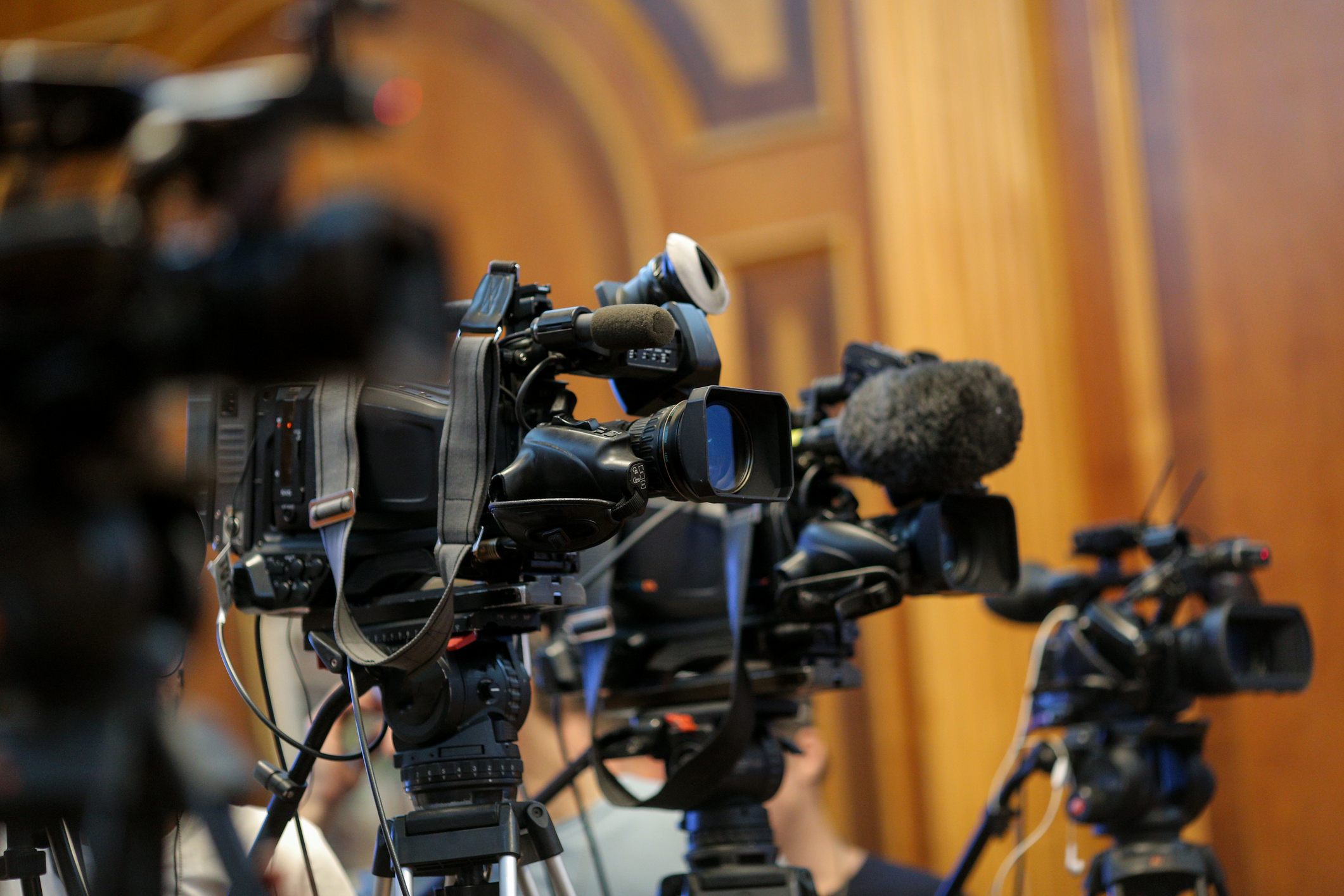
US Judicial Conference: Weighs Federal Judiciary Victim Trial Broadcast Exception
Summary
- The U.S. Judicial Conference’s Advisory Committee on Criminal Rules is considering allowing victims to remotely watch federal trials.
- This proposal would create an exception to the federal ban on TV and audio broadcasts of trials, which dates back to 1946.
- The committee's discussions in Boston follow a 2024 denial of media requests to lift the broader broadcast ban.
- Federal courts currently permit remote audio access for civil and bankruptcy proceedings without testimony, unlike most state courts that allow televised trials.
- The federal judiciary has previously cited concerns about deepfakes when opposing courtroom cameras.
Current Deliberations
This proposed change is specifically designed to enable victims of crimes to remotely observe court proceedings, marking a potential shift in how federal trial remote access victims can engage with the justice system.
The U.S. Judicial Conference’s Advisory Committee on Criminal Rules is actively considering a significant alteration to long-standing federal court policy regarding trial broadcasts. During a meeting held in Boston on October 14, 2026, the committee began weighing the creation of a specific exception to the existing prohibition on television and audio broadcasts of federal trials. This proposed change is specifically designed to enable victims of crimes to remotely observe court proceedings, marking a potential shift in how federal trial remote access victims can engage with the justice system.
This deliberation, as reported by Reuters, represents a focused effort to address victim participation in federal criminal trials. The committee's discussions center on carving out a narrow allowance within the broader federal judiciary victim trial broadcast ban, which has historically restricted public access to such proceedings via electronic means. The potential for victims to watch remotely could enhance transparency and engagement for those directly impacted by criminal acts, offering a new avenue for connection to the judicial process.
Historical Context and Precedents
The current consideration by the Advisory Committee on Criminal Rules comes against a backdrop of deeply entrenched restrictions on broadcasting in federal courts. The prohibition on TV and audio broadcasts of federal criminal proceedings dates back to 1946, establishing a nearly eight-decade-long precedent. This strict stance was reinforced just two years prior to the current discussions, in 2024, when the U.S. Judicial Conference denied a request from media organizations to lift the comprehensive ban on broadcasting.
Despite the federal judiciary's general reluctance, some limited forms of remote access have emerged in recent years. Following the onset of the COVID-19 pandemic, federal courts began permitting remote audio access for civil and bankruptcy proceedings, albeit with the crucial caveat that no testimony was being taken. This contrasts sharply with the landscape in most state courts, where televised trials are commonly allowed, providing a different model for public and victim engagement. Concerns regarding the potential misuse of courtroom footage, including the creation of "deepfakes," have also been cited by the federal judiciary as reasons for their opposition to broader courtroom camera access.
Implications for Federal Practice
The Advisory Committee on Criminal Rules proposal, if adopted, could introduce a novel dimension to federal criminal trials, particularly concerning victim engagement and the broader perception of justice. Allowing victims to watch proceedings remotely could significantly alter their experience, potentially fostering a greater sense of inclusion and understanding of the legal process. This move would represent a targeted departure from the general broadcast ban, specifically addressing the needs and rights of victims without fully opening federal courtrooms to widespread media broadcasting.
For legal practitioners, especially those involved in federal criminal defense or victim advocacy, this potential rule change warrants close monitoring. A new mechanism for federal trial remote access for victims could influence trial strategy, witness preparation, and even the presentation of cases, as the presence of remote victim observers might subtly shift courtroom dynamics. The ongoing deliberations by the US Judicial Conference criminal rules committee highlight a nuanced approach to balancing traditional judicial decorum with evolving demands for transparency and victim participation in the federal judiciary victim trial broadcast landscape.
Practical Implications
Lawyers practicing in federal criminal defense or victim advocacy should monitor the Judicial Conference's deliberations, as a rule change allowing remote broadcasting for victims could significantly impact trial strategy, victim engagement, and public perception of federal proceedings.
Source
Source: Original reporting via Reuters.
How does this affect you?
Get an AI analysis of this article grounded in your jurisdictions, practice areas, and any policy documents you've uploaded to Wansom.
Finish Reading the Full Story and the Expert Analysis.
Get the latest legal & regulatory intelligence in United States
Wansom is AI and can make mistakes.