
California Emissions Standards Waiver Blocked by Federal Judge
Summary
- A federal judge has signaled that she is likely to block the EPA's effort to nullify California's Clean Air Act waivers.
- The waivers allow California to enact stricter emissions standards than the federal government.
- The case has significant implications for regulatory review processes and the balance of power between federal and state governments.
- The use of the Congressional Review Act has increased dramatically in recent years, with 22 instances in 2025 alone.
California Emissions Standards Waiver Blocked by Federal Judge
Howell described the government's position as seeming to allow any agency to 'willy-nilly decide what's a rule and what isn't'.
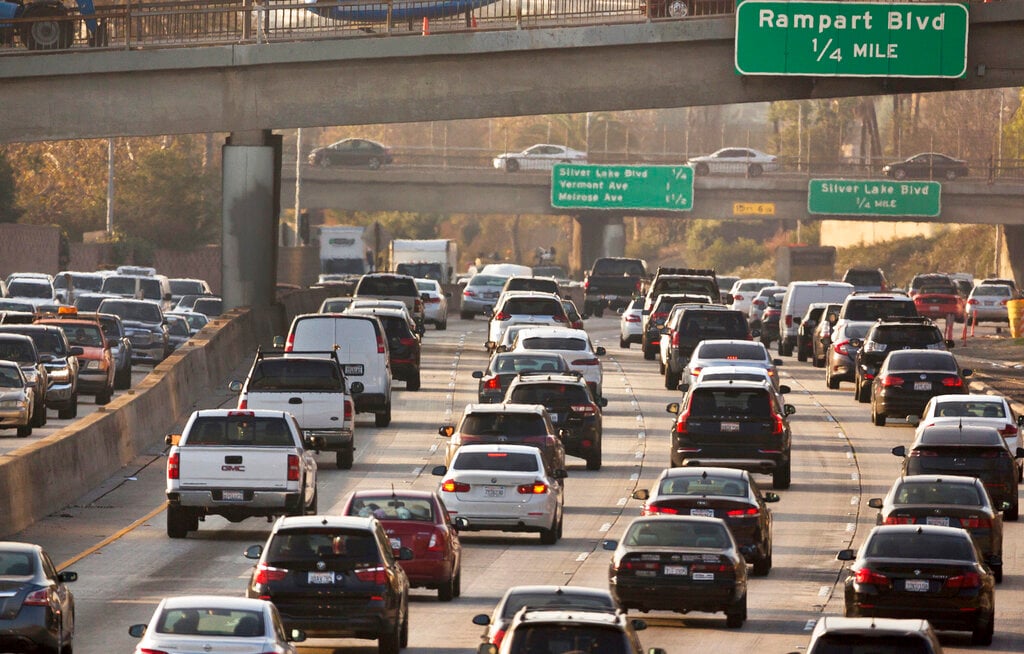
A federal judge has signaled that she is likely to block the Environmental Protection Agency's (EPA) effort to nullify California's Clean Air Act waivers, which allow the state to enact stricter emissions standards than the federal government. The waivers were enacted in the 1970s to address the dangerous levels of smog in Los Angeles and throughout the Golden State. Since then, they have evolved to make California a 'laboratory of innovation' where automakers can test new technology.
The EPA's reclassification of the waivers as final rules and its use of an expedited review process under the Congressional Review Act has been met with opposition from California. The state argues that this move would effectively allow any agency to enlist Congress to undo longstanding regulations, which could have far-reaching implications for regulatory review processes.
The case has significant implications for the balance of power between federal and state governments in setting environmental policies.
Relevant Legal/Regulatory Context
The Clean Air Act was passed in 1967, and it included a provision allowing California to enact its own vehicle emission standards. This provision was enacted due to the state's unique situation at the time, with significant air quality and pollution problems that federal emission standards were unlikely to address. The Congressional Review Act, which allows for an expedited review of agency rules, has been used increasingly in recent years, with 22 instances in 2025 alone.
The EPA's reclassification of the waivers as final rules and its use of the Congressional Review Act has raised concerns about the potential for private interests to push deregulation. The American Petroleum Institute and the American Fuel & Petrochemical Manufactures have intervened in this case, highlighting the potential impact on environmental policies.
The case also raises questions about the balance of power between federal and state governments in setting environmental policies.
Why It Matters
This ruling has significant implications for regulatory review processes and the balance of power between federal and state governments. If the EPA's reclassification of the waivers is upheld, it could establish a precedent for challenging agency actions under the Congressional Review Act. This could have far-reaching consequences for environmental policies and the ability of states to enact stricter emissions standards.
The case also highlights the importance of considering the potential implications of regulatory changes on private interests and the environment. As the use of the Congressional Review Act continues to increase, it is essential to carefully evaluate its impact on environmental policies and the balance of power between federal and state governments.
Practical Implications
Lawyers and compliance officers should watch for potential implications on regulatory review processes, as this ruling could establish a precedent for challenging agency actions under the Congressional Review Act.
Source
Source: Original reporting via CN
How does this affect you?
Get an AI analysis of this article grounded in your jurisdictions, practice areas, and any policy documents you've uploaded to Wansom.
Wansom is AI and can make mistakes.