
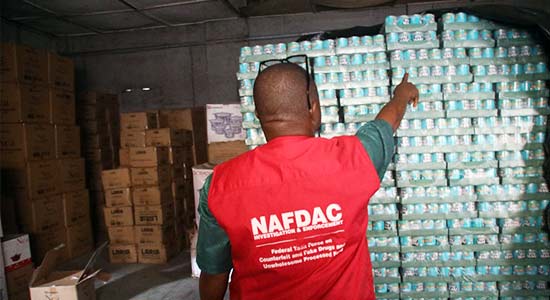
Federal High Court Convicts Lagos Trader, Companies Over Fake Drugs, Fines ₦1.5M
A Federal High Court in Lagos recently convicted Lagos trader Elijah Chigbogu and two associated companies, Prolife & Well Pharmaceutical Limited and God of Elijah Nigeria Limited, for the unlawful possession, importation, and distribution of fake and unregistered drugs, imposing a fine of ₦1.5 million on Chigbogu.
This conviction carries significant legal weight, underscoring the judiciary's firm stance against the proliferation of counterfeit and unregulated pharmaceuticals, which pose severe public health risks in Nigeria. The ruling serves as a strong deterrent to individuals and corporate entities involved in the illicit drug trade, signaling increased regulatory and judicial scrutiny on the pharmaceutical supply chain. It reinforces the commitment to protecting citizens from harmful products and upholding the integrity of the healthcare system.
The legal context for this judgment is primarily rooted in the National Agency for Food and Drug Administration and Control (NAFDAC) Act, which empowers NAFDAC to regulate and control the manufacture, importation, exportation, advertisement, distribution, sale, and use of food, drugs, cosmetics, medical devices, bottled water, and chemicals. The Federal High Court, presided over by Justice Musa Kakaki in this instance, possesses exclusive jurisdiction over matters arising from federal enactments such as the NAFDAC Act. Violations of this Act, particularly concerning fake and unregistered drugs, attract severe penalties, including fines and imprisonment, reflecting the gravity of such offenses.
The key parties involved in this matter are the Federal High Court, specifically Justice Musa Kakaki, the convicted individual Elijah Chigbogu, and the two companies linked to him: Prolife & Well Pharmaceutical Limited and God of Elijah Nigeria Limited. While not explicitly stated as the prosecuting body in the excerpt, NAFDAC would typically be the agency responsible for investigating and prosecuting such offenses. The outcome of this matter, as reported, is a conviction and a fine of ₦1.5 million for Chigbogu, though the specific penalties for the companies are not detailed.
Practitioners advising clients in the pharmaceutical, import/export, and retail sectors must emphasize stringent compliance with NAFDAC regulations, including mandatory product registration, adherence to quality control standards, and maintaining transparent and verifiable supply chains. Businesses should conduct thorough due diligence on all suppliers and distributors to mitigate the risk of inadvertently dealing in illicit products. This case highlights the potential for both individual and corporate liability, and attorneys should advise on robust internal compliance programs to avoid severe financial penalties, reputational damage, and potential criminal charges for non-compliance.
How does this affect you?
Get an AI analysis of this article grounded in your jurisdictions, practice areas, and any policy documents you've uploaded to Wansom.
Finish Reading the Full Story and the Expert Analysis.
Get the latest legal & regulatory intelligence in Nigeria
Wansom is AI and can make mistakes.