
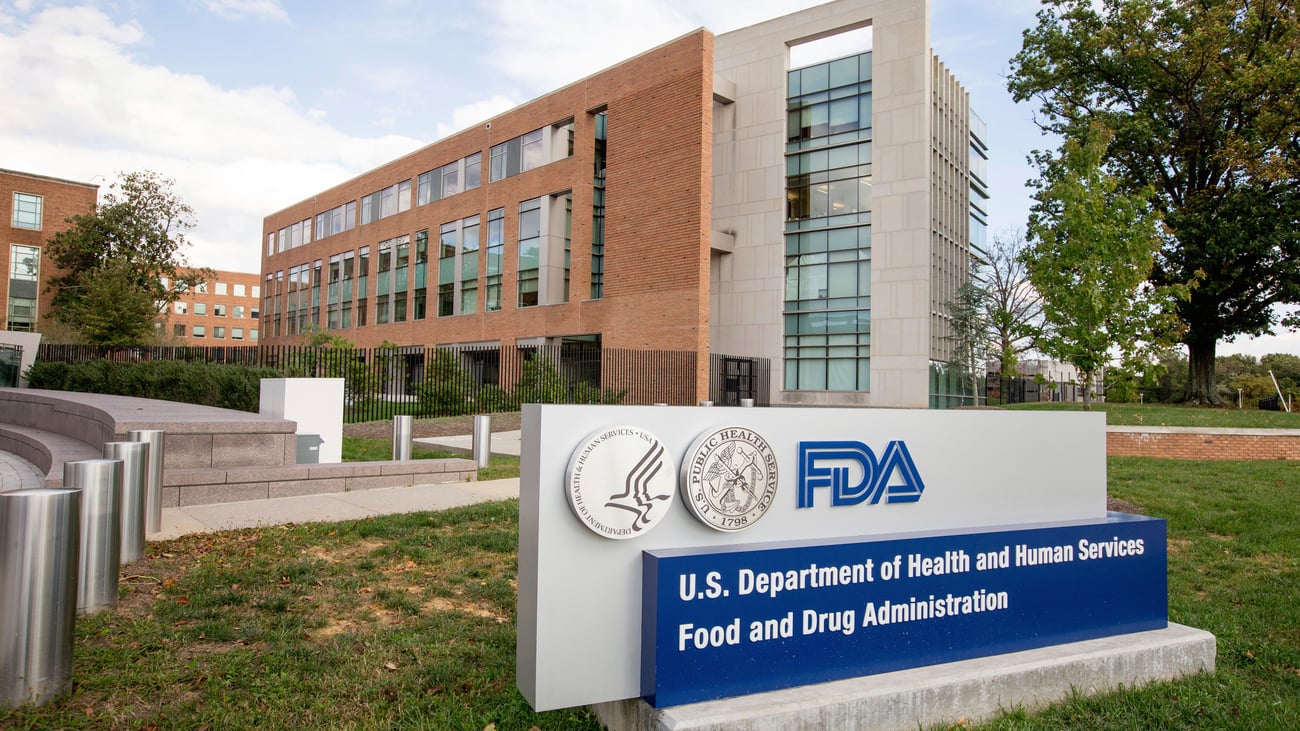
FDA: Approves Daraxonrasib Pancreatic Cancer Drug
Summary
- The FDA has granted approval for daraxonrasib, a novel pill for the most common form of pancreatic cancer.
- Developed by Revolution Medicines and marketed as Rasonque, the drug targets and blocks a mutated protein driving tumor growth.
- Clinical trials demonstrated that patients receiving daraxonrasib nearly doubled their median survival time compared to chemotherapy.
- This approval marks a significant breakthrough, as the mutated protein, KRAS, was previously considered 'undruggable'.
- The FDA expedited the approval process, finalizing it more than six months ahead of its scheduled target date.
Regulatory Breakthrough in Pancreatic Cancer Treatment
This regulatory milestone represents a significant advancement in the fight against a disease historically resistant to effective treatment, offering new hope to patients.
The U.S. Food and Drug Administration (FDA) announced on Wednesday a significant regulatory approval for daraxonrasib, a novel therapeutic agent designed to combat the most prevalent form of pancreatic cancer. This pioneering medication, developed by Revolution Medicines and set to be marketed under the brand name Rasonque, represents a critical advancement in treating one of the most aggressive and challenging cancers.
Daraxonrasib operates as a first-of-its-kind oral pill, specifically engineered to block a mutated protein that acts as a primary driver of tumor growth in over 90% of pancreatic cancer cases. This mechanism targets mutations within the RAS gene family, particularly KRAS mutations, which have historically been deemed 'undruggable' due to structural complexities that prevented drug molecules from effectively binding to the mutated proteins. The successful development of this pancreatic cancer KRAS drug marks a scientific triumph, overcoming a hurdle that had eluded pharmaceutical researchers for decades.
This FDA approval for daraxonrasib is poised to redefine treatment paradigms for patients grappling with this deadly disease. Revolution Medicines, based in Redwood City, California, has developed a unique 'molecular glue' technology that enables the drug to bind effectively with multiple KRAS subtypes. This innovative approach underscores a new era in targeted cancer therapies, offering a more precise intervention where conventional treatments have often fallen short.
Clinical Efficacy and Patient Outlook
The efficacy of daraxonrasib was rigorously evaluated in a company-funded clinical study involving 500 patients. These individuals were battling metastatic pancreatic cancer that had ceased responding to previous treatments. The trial demonstrated a remarkable improvement in patient outcomes, with those receiving the new treatment experiencing nearly double the median survival time compared to participants undergoing standard chemotherapy. Specifically, patients on daraxonrasib lived for a median of 13.2 months, in contrast to 6.7 months for those in the chemotherapy group, all while reporting fewer severe side effects.
Pancreatic cancer remains one of the most lethal malignancies, largely due to its insidious nature and difficulty in early detection before it metastasizes to other organs. The American Cancer Society projects approximately 67,000 new diagnoses in the United States this year, with over 52,000 fatalities, contributing to a grim five-year overall survival rate of just 13%. Dr. Pashtoon Kasi, an expert from City of Hope Orange County, a California-based cancer center, acknowledged the drug's significance, stating, "This is not a cure, it’s one more option for these patients. But it’s the best option we’ve ever had."
Public interest in daraxonrasib surged earlier this year following former Senator Ben Sasse's (R-Neb.) account on CBS's "60 Minutes," where he described experiencing reduced pain while taking the medication. This heightened attention prompted the FDA to grant "expanded access" to the drug for eligible patients even before its official Rasonque FDA approval, highlighting the urgent need for new treatment options.
Expedited Review and Broader Scientific Impact
The FDA's decision to grant an expedited drug approval for daraxonrasib underscores the critical need for new therapies in this challenging disease area. Regulators finalized the approval more than six months ahead of their initial target date, reflecting a commitment to accelerate access to life-saving treatments. Kyle Diamantas, the FDA's acting commissioner, emphasized this imperative, stating, "It is our fundamental duty to deliver more cures and meaningful treatments to patients as quickly as possible." This swift action aligns with broader US pharmaceutical regulatory updates aimed at streamlining the approval process for innovative drugs addressing unmet medical needs.
Unlike many other cancer types that have benefited from a diverse array of chemotherapy alternatives, pancreatic cancer has historically proven more resistant to therapeutic advancements. The successful targeting of KRAS mutations by Revolution Medicines daraxonrasib opens new avenues for research and development across the life sciences sector. Doctors treating pancreatic cancer are optimistic that this breakthrough will pave the way for additional treatment options, not only for pancreatic cancer but also for other malignancies.
Dr. Kasi further articulated this sentiment, noting, "I think this has opened doors for many other companies. Downstream I think there are going to be a lot more trials looking at this approach in other tumor types." Revolution Medicines is already exploring the application of its molecular glue technology for various other cancer forms, including lung cancer, signaling a potentially transformative period for cancer treatment and life sciences FDA compliance in the development of targeted therapies.
Source
How does this affect you?
Get an AI analysis of this article grounded in your jurisdictions, practice areas, and any policy documents you've uploaded to Wansom.
Wansom is AI and can make mistakes.