
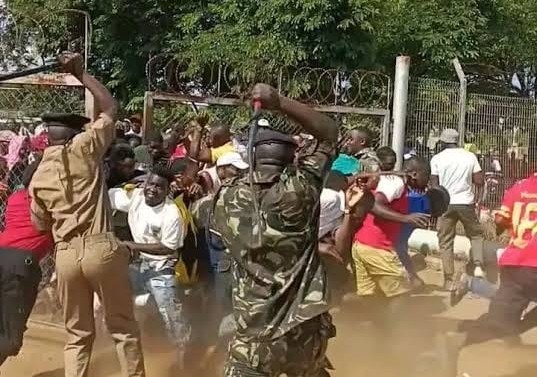
FCB Nyasa Big Bullets to Cover Stadium Damage Costs
FCB Nyasa Big Bullets, a prominent football club in Malawi, has agreed to bear the costs associated with repairing damages inflicted upon Bingu National Stadium in Lilongwe during their recent FDH Bank Premiership match against arch-rivals Mighty Wanderers. This commitment, confirmed by the Ministry of Youth, Sports and Culture, addresses the aftermath of an incident where parts of the stadium were reportedly damaged, highlighting the club's responsibility for the conduct of its supporters and the preservation of public sporting infrastructure.
This agreement holds significant legal and practical implications for sports organizations, venue operators, and event management companies across Malawi. It reinforces the principle of accountability for property damage occurring during sporting events, potentially influencing future contractual agreements between clubs and stadium authorities regarding liability, security protocols, and insurance requirements. The club's acceptance of responsibility may also serve as a deterrent against similar incidents, promoting better crowd control and fan behaviour at future matches. For the Ministry, it ensures the prompt repair of a key national asset without burdening the public purse.
The legal context for this situation primarily involves contract law, specifically the terms of the stadium use agreement between FCB Nyasa Big Bullets and the Ministry of Youth, Sports and Culture, which likely includes clauses on liability for damages. Additionally, principles of tort law concerning property damage are relevant, although the club's agreement to pay suggests a resolution outside of formal litigation. Sports regulations and codes of conduct, which often govern fan behaviour and club responsibilities, also form part of the broader legal framework. The Ministry, as the custodian of the stadium, has a vested interest in ensuring its upkeep and the enforcement of agreements.
Key parties in this matter include FCB Nyasa Big Bullets, the football club responsible for the damages; the Ministry of Youth, Sports and Culture, which owns and manages Bingu National Stadium; and Bingu National Stadium itself, as the affected property. While Mighty Wanderers were the opposing team, they are not reported as being directly involved in the agreement to cover repair costs. The specific details of the damages, such as the affected areas, were mentioned by the Ministry's spokesperson, MacMillan Mwale.
Practitioners advising sports clubs, stadium management, or event organizers in Malawi should review and strengthen their contractual agreements to clearly delineate responsibilities for property damage, security, and crowd management. It is crucial to ensure adequate insurance coverage for such eventualities and to implement robust security measures to prevent incidents that could lead to significant financial liabilities. This case serves as a reminder of the importance of proactive risk management and clear legal frameworks in the sports and entertainment industry.
How does this affect you?
Get an AI analysis of this article grounded in your jurisdictions, practice areas, and any policy documents you've uploaded to Wansom.
Finish Reading the Full Story and the Expert Analysis.
Get the latest legal & regulatory intelligence in Malawi
Wansom is AI and can make mistakes.