
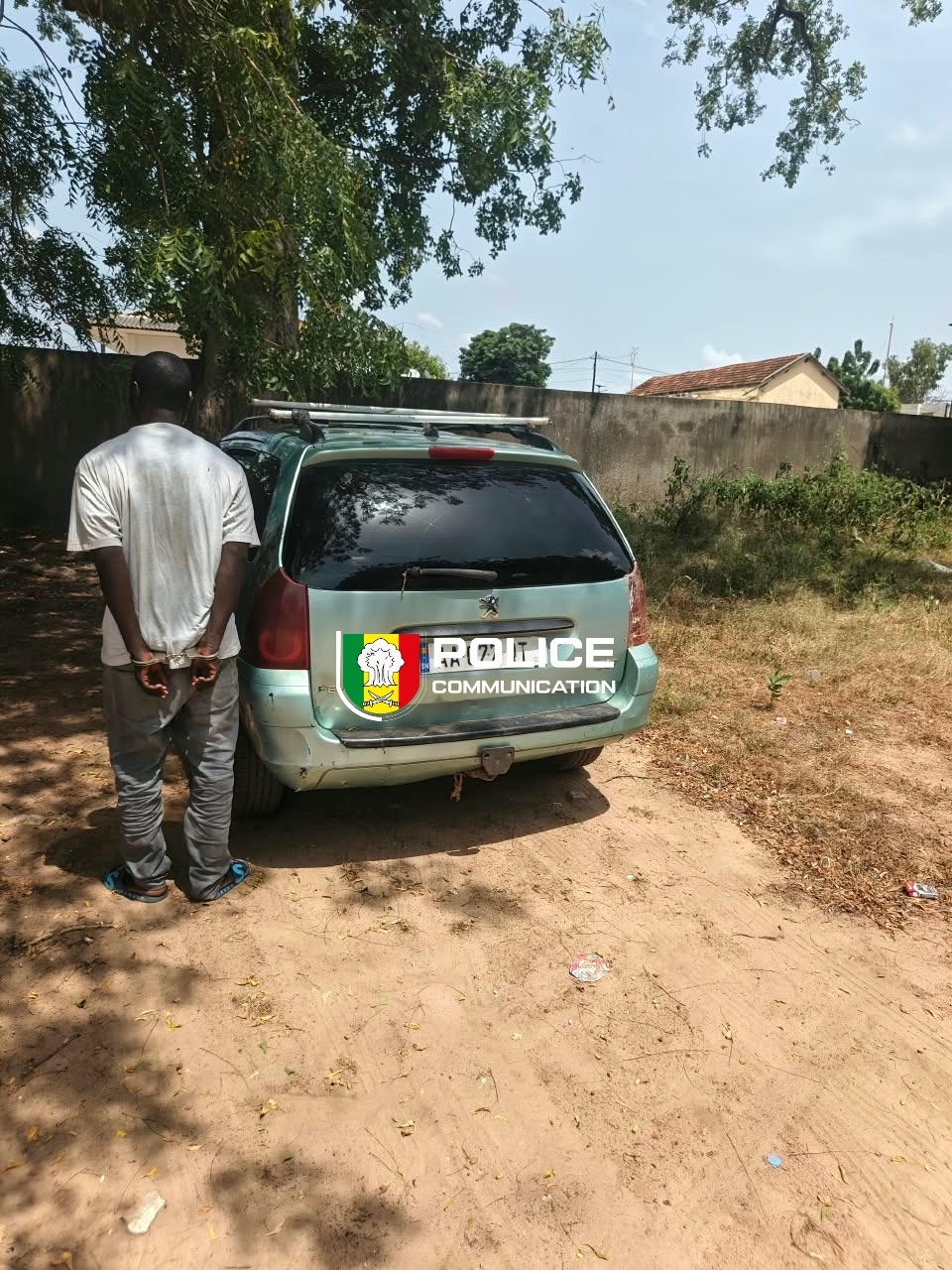
Fatick: Illegal Gasoil Trafficking Arrest of Clando Taxi Driver
Summary
- A clandestine taxi driver was arrested in Fatick for alleged illegal gasoil trafficking.
- The Sûreté urbaine of Fatick's Central Police Station conducted the arrest following an investigation.
- The suspect is believed to have engaged in the illicit fuel trade for nearly three years.
- Authorities seized 15 full 20-liter jerry cans of fuel and 74 empty ones from the driver's home.
- This Fatick illegal gasoil trafficking arrest highlights ongoing law enforcement efforts against fuel contraband in Senegal.
Law Enforcement Action in Fatick
This significant Fatick illegal gasoil trafficking arrest underscores the ongoing efforts by law enforcement to combat contraband activities within the region.
Authorities in Fatick have recently apprehended an individual suspected of involvement in an extensive illegal gasoil trafficking operation. The Sûreté urbaine of the Central Police Station in Fatick confirmed the arrest of a clandestine taxi driver, who is believed to have been engaged in the illicit fuel trade for approximately three years. This significant Fatick illegal gasoil trafficking arrest underscores the ongoing efforts by law enforcement to combat contraband activities within the region.
The operation, which culminated in the driver's apprehension, was initiated following an investigation triggered by intelligence gathered by the police. The Sûreté urbaine Fatick fuel bust led to a search of the suspect's residence, where a substantial quantity of fuel and related equipment was discovered. This proactive measure by the police highlights a determined stance against unauthorized fuel distribution networks.
The successful intervention by the Sûreté urbaine marks a notable development in the fight against fuel contraband. The arrest not only removes an alleged long-term perpetrator from the illicit market but also sends a clear message regarding the vigilance of Senegalese authorities in upholding fuel distribution regulations and ensuring market integrity.
Details of the Illicit Operation
The individual taken into custody is identified as a driver of a "taxi clando," a term used for unauthorized or clandestine taxis. This particular detail suggests a potential link between informal transportation services and the illicit fuel trade, where drivers might seek to acquire cheaper, untaxed fuel for their operations or to resell it for profit. The alleged duration of the activity, spanning nearly three years, indicates a well-established and persistent contraband enterprise.
During the search conducted at the suspect's home, law enforcement officers seized a considerable amount of evidence directly linked to the illegal gasoil trafficking. This included 15 jerry cans, each with a capacity of 20 liters, all found to be filled with fuel. In addition to the full containers, 74 empty jerry cans of the same 20-liter capacity were also confiscated, suggesting a larger scale of operation and a capacity for storing and distributing significant volumes of contraband fuel.
The discovery of both full and empty containers provides insight into the logistical capabilities of the illicit network. The presence of numerous empty jerry cans implies a regular cycle of acquisition, storage, and distribution, reinforcing the police's assessment that the suspect had been actively involved in the illicit fuel trade for an extended period. This taxi clando gasoil arrest in Fatick reveals the methods employed by those seeking to circumvent legal fuel distribution channels.
Broader Implications for Fuel Trade
This Senegal fuel contraband seizure serves as a stark reminder of the persistent challenges posed by the illicit fuel trade across the country. The enforcement action in Fatick is part of a broader governmental effort to curb such activities, which not only lead to significant revenue losses for the state but also pose safety risks due to unregulated storage and handling of flammable materials. The Sûreté urbaine's intervention demonstrates that law enforcement agencies are actively monitoring and disrupting these underground markets.
The ongoing illicit fuel trade Senegal enforcement initiatives signal to all stakeholders, particularly businesses operating in the energy and logistics sectors, the critical importance of robust compliance frameworks. Companies must review their supply chain due diligence processes to ensure that their operations are not inadvertently supporting or being impacted by unauthorized distribution networks. This incident underscores the need for vigilance against any form of fuel contraband.
Ultimately, the arrest in Fatick highlights the government's commitment to maintaining regulatory control over the fuel market. Such enforcement actions are crucial for protecting legitimate businesses, ensuring fair competition, and safeguarding public safety from the dangers associated with illegally sourced and distributed petroleum products. The consistent application of the law against illicit fuel activities is vital for the economic stability and security of the region.
Practical Implications
This arrest signals active law enforcement against illicit fuel trade in Senegal, prompting businesses in the energy and logistics sectors to review their supply chain compliance and due diligence processes to mitigate risks associated with unauthorized distribution.
Source
How does this affect you?
Get an AI analysis of this article grounded in your jurisdictions, practice areas, and any policy documents you've uploaded to Wansom.
Finish Reading the Full Story and the Expert Analysis.
Get the latest legal & regulatory intelligence in Senegal
Wansom is AI and can make mistakes.