
Munich Court: Farhad N. Car-Ramming Sentence Is Life Imprisonment
Summary
- An Afghan national, Farhad N., received a life sentence from a German court in Munich for a car-ramming attack.
- The attack killed a 2-year-old girl and her mother and injured dozens, leading to convictions for murder, attempted murder, and bodily harm.
- The court found 'particular gravity of guilt,' making it highly improbable Farhad N. will ever be released.
- Prosecutors cited religious motivation, loneliness, and anxiety, while authorities believe Farhad N. was radicalized online.
- The incident, one of several by foreign nationals, intensified Germany's debate on immigration and security, coinciding with a rise in support for the far-right AfD.
A Deadly Munich Attack and Life Sentence
A critical aspect of the ruling was the court's finding of 'particular gravity of guilt,' a legal designation in Germany that significantly reduces the likelihood of Farhad N. ever being released from prison.
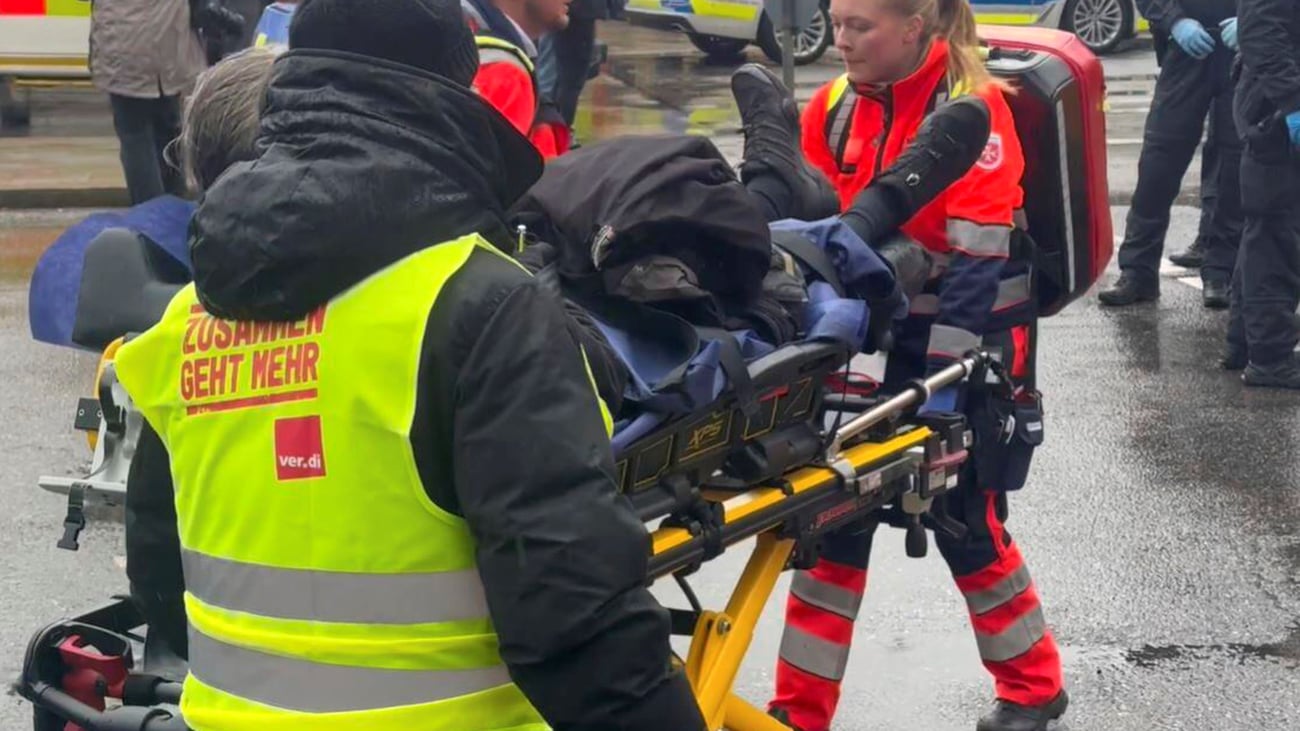
A German court in Munich recently delivered a life sentence to Farhad N., an Afghan national, for a devastating car-ramming attack that occurred in the city last year. The incident tragically claimed the lives of a 2-year-old girl and her mother, while leaving dozens of others injured. The court found the 25-year-old guilty on multiple serious charges, including two counts of murder, 23 counts of attempted murder, and 22 counts of causing bodily harm, with 19 of those designated as serious. A critical aspect of the ruling was the court's finding of 'particular gravity of guilt,' a legal designation in Germany that significantly reduces the likelihood of Farhad N. ever being released from prison.
The attack itself involved Farhad N. driving a Mini Cooper around a police vehicle before accelerating into a 1,400-person trade union march. The force of the impact hurled a 37-year-old woman and her young daughter approximately 10 meters (33 feet) through the air. Both victims sustained severe head injuries and succumbed to them several days later. Presiding Judge Michael Hoehne noted that the mother had intentionally chosen the back of the march, believing it offered greater safety due to a stronger police presence.
Perpetrator Profile and Radicalization
During the trial, prosecutors suggested that Farhad N. was driven by a "religious motivation," noting that he uttered "Allahu akbar" (Arabic for "God is greatest") after the attack. However, authorities do not believe he was affiliated with any organized jihadist group, such as the Islamic State. Prosecutors also identified loneliness and anxiety as contributing factors to his actions. Farhad N. himself did not offer any motive during the proceedings. Judge Hoehne characterized Farhad N. as possessing "a fragile sense of self-worth" while simultaneously attempting to project "an idealized image of himself."
Farhad N.'s defense team had sought to have him committed to a psychiatric facility. This request was made despite court-appointed experts concluding that his mental health issues did not diminish his criminal responsibility for the crimes committed. Authorities believe that Farhad N. underwent radicalization in the months leading up to the attack, primarily through the consumption of online content from radical Afghan preachers.
Farhad N. arrived in Germany in 2016 at the age of 15, unaccompanied by a parent or guardian. Although his asylum request was ultimately rejected, he was permitted to remain in the country and secure employment. Police reports indicated that he worked in security and was extensively involved in fitness training and bodybuilding prior to the incident.
Broader Sociopolitical Context
The Munich vehicle attack, which occurred on the eve of the significant Munich Security Conference, was one of several incidents involving foreign nationals in the period leading up to last year's German general election. These events significantly intensified public debate surrounding immigration and national security within Germany. The timing of Farhad N.'s attack, just days before the February 2025 election, coincided with a notable shift in the country's political landscape.
In that election, the far-right Alternative for Germany (AfD) achieved its strongest electoral performance to date, securing over 20% of the vote. While the center-right CDU/CSU bloc ultimately finished first, leading to its leader, Friedrich Merz, becoming chancellor, Merz had campaigned on a platform promising a tougher stance on immigration and a commitment to curb the AfD's growing influence. Despite these efforts, the CDU/CSU has since experienced a decline in public support, while the AfD has established a consistent lead in opinion polls, underscoring the enduring impact of such incidents on Germany's political discourse.
Practical Implications
This German case offers insights for US lawyers into comparative criminal sentencing, particularly the concept of 'particular gravity of guilt,' and the intersection of immigration status, online radicalization, and national security concerns in criminal justice, which may inform risk assessments for clients with international operations or those advising on immigration policy.
Source
How does this affect your business?
Get an AI analysis of this article grounded in your jurisdictions, practice areas, and any policy documents you've uploaded to Wansom.
Wansom is AI and can make mistakes.