
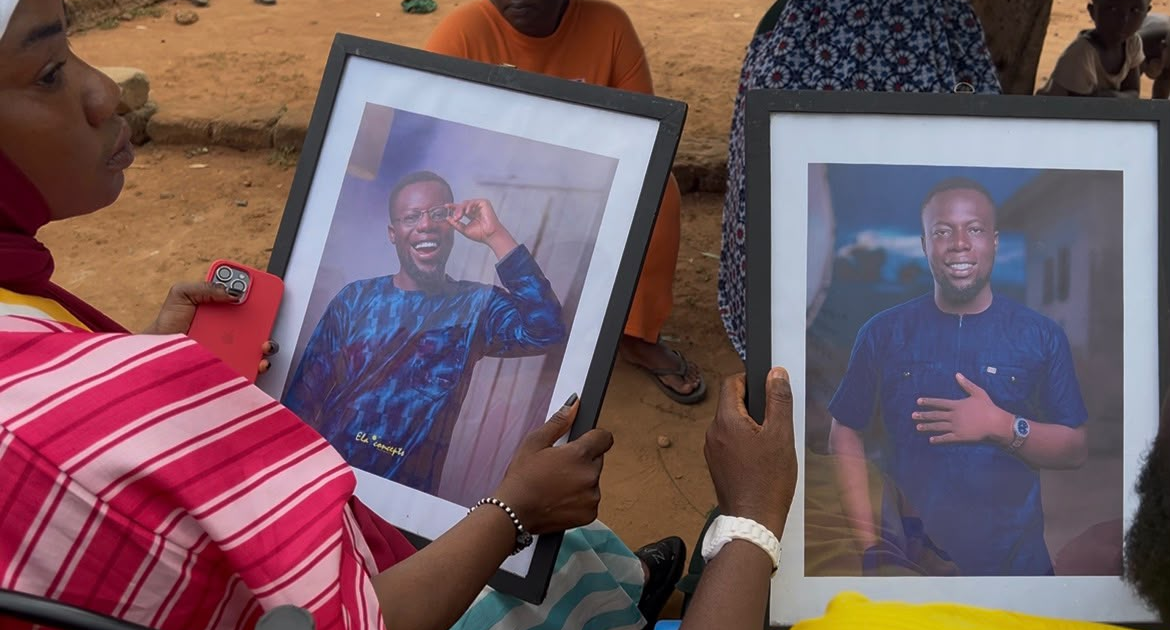
Tamale Teaching Hospital: Dialysis Death Power Outage Claims Patient
Summary
- Sumaila Amadu, a 32-year-old dialysis patient, died at Tamale Teaching Hospital on August 25, 2026, during a power outage.
- His family alleges the death was caused by a lack of oxygen and a non-functional standby power plant during the blackout.
- Sumaila's brother, Salman Al Faris, publicly demanded a thorough and independent investigation into the incident.
- Tamale Teaching Hospital confirmed a widespread power outage occurred and has formed a multidisciplinary team to investigate, with a report due within one week.
- The incident highlights critical concerns about emergency power and oxygen supply reliability in Ghanaian health facilities.
Tragic Loss at Tamale Teaching Hospital
A patient undergoing dialysis is already in a vulnerable medical condition, making reliable electricity, oxygen, and emergency support critical for survival.
A 32-year-old man, Sumaila Amadu, who relied on dialysis treatments twice weekly for chronic kidney disease, tragically died on the night of August 25, 2026, during a scheduled session at the Renal Clinic of Tamale Teaching Hospital (TTH). His family asserts that his death was not due to his underlying condition but rather a direct consequence of a power outage that allegedly led to a failure in oxygen supply during his treatment.
Sumaila's brother, Salman Al Faris, a Ghanaian creative professional and CEO of Brilliance Media GH, recounted the harrowing sequence of events. He spoke with Sumaila around 9:00 pm, confirming the dialysis had commenced. A subsequent call at approximately 10:20 pm indicated the session was still ongoing. However, a third call around 10:45 pm brought devastating news; a friend accompanying Sumaila informed Salman of a widespread power blackout at the facility and that Sumaila was experiencing severe breathing difficulties.
According to Salman's account, which he shared in a widely circulated Facebook post on August 29, the hospital's standby power plant reportedly failed to activate, and there was no oxygen available at the renal clinic during the critical period. Despite his valiant struggle, Sumaila Amadu succumbed, leaving his family in profound grief and demanding accountability for what they describe as a preventable death.
Family Demands Justice and Investigation
From their home in Kintampo near Kyeremankuma, Sumaila's grieving family is urgently seeking answers and justice. His mother, who described her son as not just a child but a cherished friend, expressed her anguish over his passing, emphasizing that their quest for justice extends beyond Sumaila to any other patient who might have suffered a similar fate in silence.
Salman Al Faris underscored the inherent vulnerability of patients undergoing dialysis, stating that consistent electricity, oxygen, and robust emergency support are fundamental to their survival. The family is calling for a comprehensive, transparent, and independent investigation to ascertain the precise circumstances of Sumaila's final moments. They seek clarity on the medical interventions provided, the availability of oxygen, the cause of the dialysis interruption, and whether the hospital's emergency systems functioned as required.
This incident, Salman noted, transcends his personal loss, highlighting a broader concern for patient safety within healthcare facilities. He articulated that while it was his brother today, it could be anyone else's loved one tomorrow, emphasizing the critical need for systemic improvements.
Hospital's Response and Broader Implications
In response to the growing public concern, the Tamale Teaching Hospital issued a press release through its Public Relations Officer on August 31, 2026. The statement acknowledged that a power outage did occur around 8:48 pm on the day of the incident, confirming its widespread nature beyond the hospital premises. The hospital also disclosed that it has established a multidisciplinary team tasked with investigating the circumstances surrounding Sumaila Amadu's death, with a mandate to submit its findings within one week.
According to the hospital's statement, Sumaila had been scheduled for eight dialysis sessions during August and had successfully completed the initial four. The release indicated that during his fifth scheduled session, his clinical parameters unexpectedly deteriorated. This incident brings into sharp focus the critical importance of reliable emergency power and oxygen supply in medical facilities, particularly those providing life-sustaining treatments like dialysis.
This event underscores potential liabilities for hospitals in Ghana regarding medical negligence and wrongful death claims, especially when failures in emergency infrastructure contribute to patient harm. The ongoing investigation could set precedents for hospital accountability and regulatory compliance, prompting other health facilities to review their emergency preparedness protocols and equipment maintenance to prevent similar tragedies.
Practical Implications
This incident highlights potential medical negligence and wrongful death claims against hospitals in Ghana stemming from failures in emergency power and oxygen supply. Lawyers should monitor the ongoing investigation for precedents on hospital liability and regulatory compliance, while compliance officers should review their own facility's emergency preparedness protocols and equipment maintenance schedules to mitigate similar risks.
Source
How does this affect you?
Get an AI analysis of this article grounded in your jurisdictions, practice areas, and any policy documents you've uploaded to Wansom.
Finish Reading the Full Story and the Expert Analysis.
Wansom is AI and can make mistakes.