
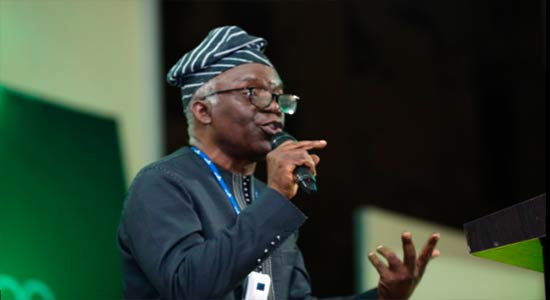
Falana INEC Campaign Billboard Fees: Advocate Urges Revocation
Summary
- Human rights lawyer Femi Falana, SAN, has urged INEC to cancel campaign billboard permit fees.
- These fees, imposed by state governments and the FCTA, range from ₦100 million to ₦200 million.
- Falana describes the charges as illegal and unconstitutional ahead of the 2027 general election.
- The high fees could create financial barriers for political campaigns and impact electoral fairness.
- INEC has indicated it lacks the legal authority to intervene in the matter, considering billboard charges a state issue.
What Happened
Lawyers advising political campaigns or parties in Nigeria should closely monitor the Independent National Electoral Commission's (INEC) response to Femi Falana's condemnation of state government campaign billboard fees.
Human rights advocate and Senior Advocate of Nigeria, Femi Falana, has issued a strong appeal to the Independent National Electoral Commission (INEC). Mr. Falana is urging the electoral body to intervene and instruct state governments, alongside the Federal Capital Territory Administration, to revoke what he describes as unlawful and unconstitutional charges for campaign billboard permits. These fees, which are being levied in anticipation of the 2027 general election, reportedly range from a substantial ₦100 million to ₦200 million.
Falana's intervention highlights a significant concern regarding the financial accessibility of political campaigning in Nigeria. His direct call to INEC underscores the perceived necessity for a central regulatory authority to address what he views as arbitrary and excessive demands placed on political aspirants and parties. The specified fee range indicates a potentially prohibitive cost for election advertising, raising questions about fairness and equity in the lead-up to the next national polls.
Legal and Constitutional Concerns
The core of Falana's argument rests on the assertion that these Falana INEC campaign billboard fees are both illegal and unconstitutional. By characterizing the Nigeria election billboard charges in this manner, he implies that state governments and the FCTA may be exceeding their legal authority or infringing upon established electoral laws and constitutional provisions that govern political activities and freedom of expression. The imposition of such high fees could be seen as an impediment to the democratic process, potentially limiting the ability of various political entities to effectively communicate with the electorate.
The demand for INEC to direct the cancellation of these fees suggests that Falana believes the electoral commission possesses the necessary oversight and regulatory power to curb these practices. However, INEC has indicated that it lacks the legal authority to intervene in matters concerning billboard charges, considering them a state matter. If these state government billboard fees are indeed found to be illegal, it would represent a significant challenge to the autonomy of state and FCT administrations in regulating public spaces for political advertising. This situation could set a precedent for how campaign-related charges are managed across the country for future elections.
Implications for the 2027 Elections
The controversy surrounding these substantial INEC campaign permit fees carries considerable weight for the upcoming 2027 general election fees Nigeria. Such high charges could disproportionately affect smaller parties and independent candidates, creating an uneven playing field where only well-funded campaigns can afford visible outdoor advertising. This financial barrier could stifle political competition and limit the diversity of voices in the electoral discourse.
Furthermore, INEC's stance of non-intervention could have lasting implications for campaign finance regulations and compliance. A lack of intervention might embolden state authorities to continue imposing such fees, potentially leading to legal challenges from affected political parties or civil society organizations as the 2027 election cycle progresses. Lawyers advising political campaigns or parties in Nigeria should closely monitor the Independent National Electoral Commission's (INEC) response to Femi Falana's condemnation of state government campaign billboard fees. This development could lead to legal challenges or policy changes affecting election spending and compliance for the upcoming 2027 general elections, requiring adjustments to campaign finance strategies.
Practical Implications
Lawyers advising political campaigns or parties in Nigeria should closely monitor the Independent National Electoral Commission's (INEC) response to Femi Falana's condemnation of state government campaign billboard fees. This development could lead to legal challenges or policy changes affecting election spending and compliance for the upcoming 2027 general elections, requiring adjustments to campaign finance strategies.
Source
How does this affect you?
Get an AI analysis of this article grounded in your jurisdictions, practice areas, and any policy documents you've uploaded to Wansom.
Finish Reading the Full Story and the Expert Analysis.
Get the latest legal & regulatory intelligence in Nigeria
Wansom is AI and can make mistakes.