
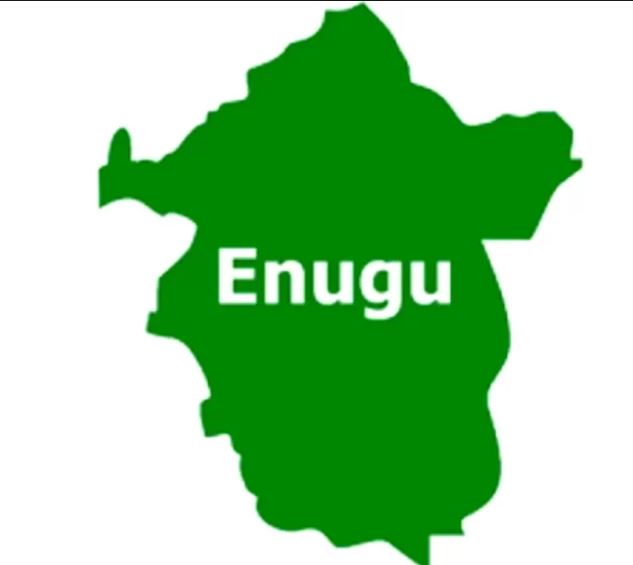
Eziowa Aguobu Owa: Leadership Crisis Over Community Constitution Dispute
Summary
- Eziowa, Aguobu Owa Autonomous Community in Enugu State is experiencing a leadership crisis.
- The crisis stems from a dispute over the community's constitution and a recent presidential general (PG) election.
- Allegations include the 22-year concealment of a registered constitution and disagreements over rotational principles.
- The five-year tenure of "Ikenge" is also a point of contention within the community.
- The cabinet scribe has distanced himself from the conflict, blaming the PG's kinsmen.
Escalating Leadership Crisis in Aguobu Owa
This situation underscores the critical importance of having clearly defined and enforceable governing documents to prevent such prolonged conflicts.
The Eziowa, Aguobu Owa Autonomous Community, situated within the Ezeagu Central Local Government Area of Enugu State, Nigeria, is currently embroiled in a significant leadership crisis. This dispute centers primarily on the interpretation of the community's foundational constitution and the contentious outcome of a recent presidential general (PG) election. The unfolding events highlight deep-seated disagreements among community members regarding governance and electoral processes.
The Eziowa Aguobu Owa leadership crisis has brought to light several critical issues that challenge the stability of local administration. At the heart of the conflict is the legitimacy of the community’s governing document, with one faction alleging that a registered constitution has been deliberately concealed for an astonishing period of 22 years. This accusation suggests a fundamental lack of transparency and adherence to established legal frameworks within the community's administrative history.
Contested Constitutional Provisions
Further exacerbating the Aguobu Owa community constitution dispute are specific disagreements over key provisions within the document itself. A major point of contention revolves around the rotational principle, a common mechanism in Nigerian community governance designed to ensure equitable distribution of leadership opportunities among different constituent groups. The lack of consensus on how this principle should be applied or whether it was properly followed in the recent election has fueled much of the unrest.
Another significant aspect of the constitutional disagreement pertains to the tenure of an individual referred to as "Ikenge." The Ikenge five-year tenure dispute indicates a conflict over the duration of leadership terms, potentially challenging established norms or interpretations of the community's laws. Such disputes underscore the critical need for clear, unambiguous constitutional language and universally accepted procedures for leadership transitions to prevent future conflicts.
Broader Implications for Community Governance and Legal Clarity
The ongoing Ezeagu Central PG election controversy and the wider Enugu State community governance challenges it represents illustrate the fragility of local administrative structures when faced with ambiguous legal frameworks and contested electoral outcomes. The crisis in Eziowa, Aguobu Owa, is not merely an internal squabble but a reflection of broader issues affecting Nigeria community leadership disputes, where the integrity of community constitutions and electoral processes are frequently tested. This situation underscores the critical importance of having clearly defined and enforceable governing documents to prevent such prolonged conflicts.
In a notable development, the community's cabinet scribe has publicly distanced himself from the escalating conflict, attributing blame for the current state of affairs to the kinsmen of the presidential general. This act of disassociation by a key administrative figure further highlights the deep divisions and the struggle for accountability within the community's leadership. The lack of a unified understanding or acceptance of the constitutional provisions has created an environment ripe for contention, demonstrating how crucial it is for community associations to ensure their foundational documents are unambiguous, particularly concerning electoral procedures, rotational principles, and tenure limits.
This case serves as a stark reminder for legal practitioners advising community associations to meticulously review the clarity and enforceability of their clients' constitutions. Preventing similar leadership disputes and ensuring transparent electoral processes hinges on robust, well-understood governing documents. The legal risks associated with ambiguous constitutional clauses and contested elections within community structures are significant, potentially leading to prolonged instability and a breakdown of local authority.
Practical Implications
Lawyers advising community associations should review the clarity and enforceability of their clients' constitutions to prevent similar leadership disputes and ensure transparent electoral processes, especially regarding rotational principles and tenure limits. This case highlights the legal risks associated with ambiguous governing documents and contested elections within community structures.
Source
How does this affect you?
Get an AI analysis of this article grounded in your jurisdictions, practice areas, and any policy documents you've uploaded to Wansom.
Finish Reading the Full Story and the Expert Analysis.
Get the latest legal & regulatory intelligence in Nigeria
Wansom is AI and can make mistakes.