
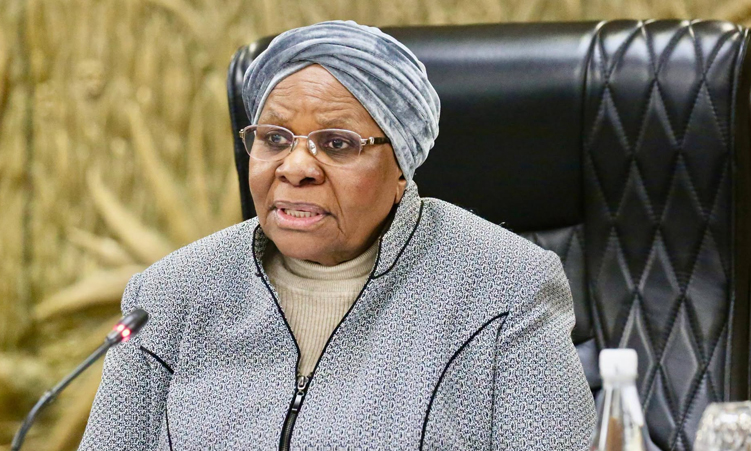
Experts Warn Against Abuse of Fast-Track Protection Orders
Legal practitioners and gender-based violence (GBV) experts in Namibia have warned that the proposed fast-tracking of protection orders, as directed by President Netumbo Nandi-Ndaitwah, must include safeguards to prevent abuse of the 24-hour process.
This development signifies a critical juncture in Namibia's efforts to combat gender-based violence, balancing the urgent need for victim protection with the fundamental principles of due process and legal fairness. While the intent to expedite protection orders is commendable and aims to provide immediate relief to victims, the concerns raised by experts highlight the potential for procedural shortcuts to be exploited. Such exploitation could lead to the issuance of orders based on insufficient evidence, without adequate opportunity for a respondent to be heard, or even for malicious purposes, thereby undermining the integrity of the legal system and potentially infringing on individual rights. This tension between speed and justice is a common challenge in legal reforms aimed at addressing societal scourges.
The primary legal framework governing protection orders in Namibia is the Combating of Domestic Violence Act 4 of 2003. This Act outlines the procedures for applying for and obtaining protection orders, including interim orders and final orders, and specifies the powers of the Magistrates' Courts in this regard. The President's directive aims to accelerate the service of these orders, which is a crucial step in their effectiveness. However, the warnings from experts underscore the importance of ensuring that the expedited process does not compromise the evidentiary standards or the respondent's right to a fair hearing, which are enshrined in constitutional principles. The key parties involved are President Netumbo Nandi-Ndaitwah, GBV experts, legal practitioners, and, by extension, victims and respondents in GBV cases.
Attorneys must closely monitor the implementation of this fast-tracking directive and be prepared to advise both applicants and respondents on their rights and obligations under the Combating of Domestic Violence Act. For applicants, understanding how to present a compelling case within an expedited timeframe is crucial. For respondents, ensuring that due process is afforded, even in a fast-tracked environment, becomes paramount. Practitioners should advocate for clear, publicly accessible guidelines on the expedited process, emphasizing the need for robust safeguards against abuse. Furthermore, legal professionals should be ready to challenge protection orders where procedural irregularities or a lack of substantive grounds are evident, ensuring that the pursuit of justice for GBV victims does not inadvertently lead to injustices for others.
How does this affect you?
Get an AI analysis of this article grounded in your jurisdictions, practice areas, and any policy documents you've uploaded to Wansom.
Finish Reading the Full Story and the Expert Analysis.
Get the latest legal & regulatory intelligence in Namibia
Wansom is AI and can make mistakes.