
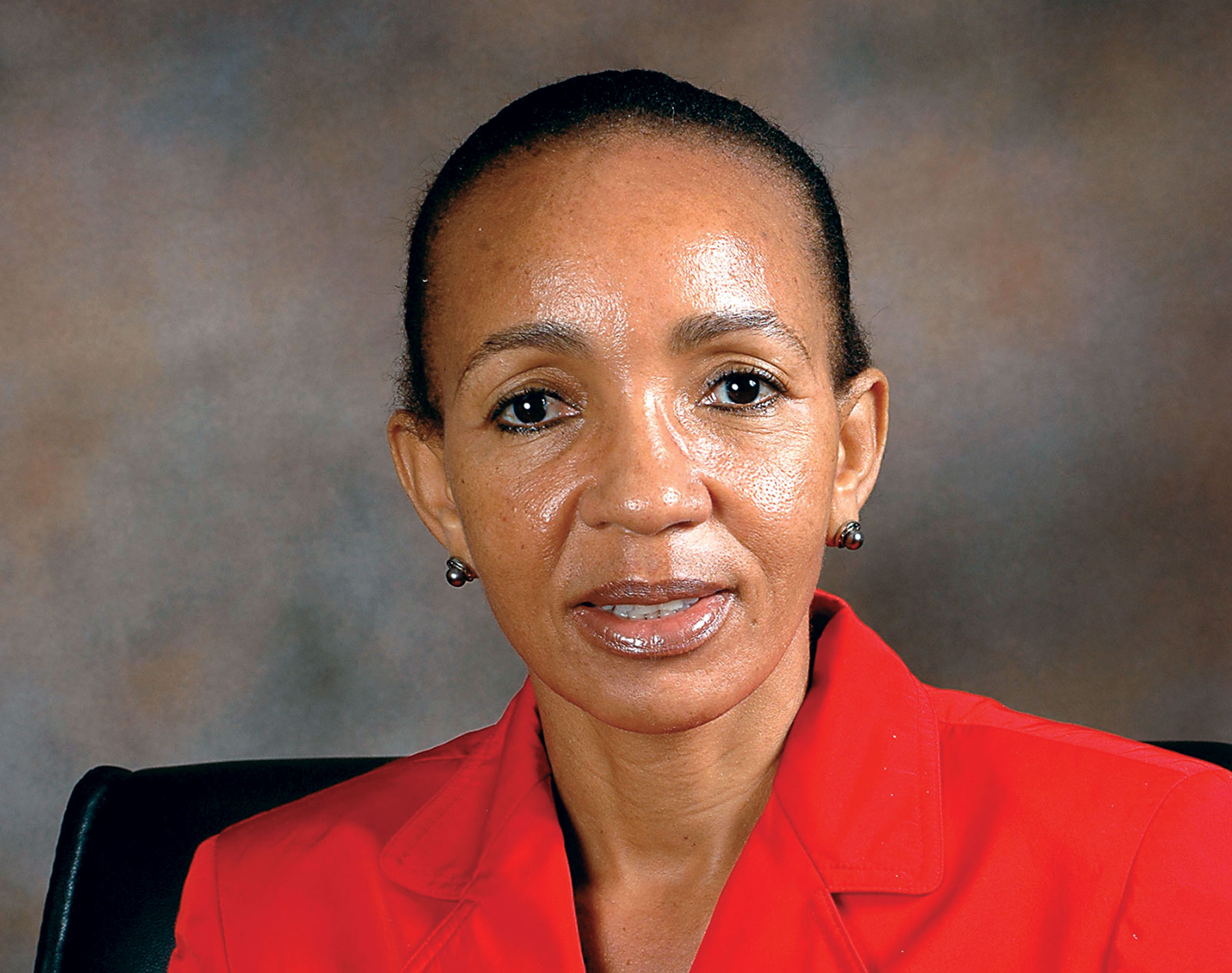
Sheila Khama: Botswana Presidential Power Threatens Democracy, Human Rights
Summary
- Former De Beers CEO Sheila Khama warned that Botswana's concentration of presidential power poses a deeper threat to democracy and human rights than current constitutional debates.
- Khama, a prominent voice on Africa's extractive industries, clarified that she does not necessarily oppose the constitutional proposals under consideration.
- Her statement highlights potential governance risks that could impact regulatory stability, human rights, and the overall investment climate in Botswana.
- The warning suggests that lawyers advising clients in Botswana should monitor ongoing constitutional reform discussions and the political landscape regarding presidential powers.
Prominent Figure Warns of Governance Risks in Botswana
Her concern centers on the substantial aggregation of presidential authority within the nation's governance structure, which she believes presents a more profound risk to democratic principles and fundamental human rights than the various constitutional amendments currently under public discussion.
Sheila Khama, a former chief executive officer of De Beers and a respected authority on Africa's extractive industries governance, has issued a significant warning regarding the political trajectory of Botswana. Her recent statement highlights a concern that the existing concentration of presidential power within the nation's governance framework could represent a more profound danger to both democratic institutions and human rights than the specific constitutional reforms currently under public consideration.
Khama's assessment underscores a critical distinction between ongoing constitutional debates and what she perceives as an underlying structural issue. While acknowledging the discussions surrounding potential constitutional changes, she clarified that her warning does not necessarily signify opposition to the specific proposals being reviewed. Instead, her focus is on the broader implications of how power is currently vested and exercised at the highest levels of government in Botswana, suggesting a systemic vulnerability.
Legal and Constitutional Context
The cautionary remarks from Sheila Khama arrive amidst ongoing discussions and recent legislative action regarding Botswana constitutional reform, including the approval of the Constitution (Amendment) Bill, 2025, for the establishment of a constitutional court, which is now set to proceed to a national referendum. However, Khama's intervention shifts the focus to the inherent structure of presidential authority, suggesting that even with potential reforms, the fundamental issue of concentrated power could persist and continue to pose risks to Botswana democracy human rights.
Her perspective implies that while specific constitutional amendments might be debated, the core challenge lies in the extensive powers already afforded to the presidency. This concentration, in her view, could lead to a 'soft form of dictatorship' by eroding checks and balances, potentially impacting regulatory stability and the rule of law over time. Lawyers advising clients with investments or operations in Botswana should therefore monitor these constitutional reform discussions closely, alongside the broader political landscape regarding presidential powers.
Why This Matters for Investment and Governance
The warning from Sheila Khama, particularly given her background as a former De Beers CEO and her expertise in Africa extractive industries governance, carries substantial weight for international investors and legal professionals. Her insights into the operational realities and political dynamics of resource-rich African nations make her assessment of Botswana's political risk assessment particularly salient. A 'soft form of dictatorship,' as she describes it, could gradually undermine the predictable and stable regulatory environment crucial for foreign direct investment.
Such a scenario could lead to increased governance risks, potentially impacting contractual sanctity, property rights, and the overall ease of doing business. For companies operating in or considering Botswana, Khama's statement serves as a signal to conduct thorough due diligence on the evolving political landscape and the potential long-term implications of concentrated presidential power on legal and operational frameworks. Proactive risk assessment, considering these potential governance shifts, becomes paramount for safeguarding investments and ensuring compliance with human rights standards.
Practical Implications
Lawyers advising clients with investments or operations in Botswana should monitor ongoing constitutional reform discussions and the political landscape regarding presidential powers. This warning from a prominent figure signals potential governance risks that could impact regulatory stability, human rights, and the overall investment climate, necessitating proactive risk assessment.
Source
How does this affect you?
Get an AI analysis of this article grounded in your jurisdictions, practice areas, and any policy documents you've uploaded to Wansom.
Finish Reading the Full Story and the Expert Analysis.
Wansom is AI and can make mistakes.