
Dakar-Plateau: Eva Abess Niang Land Irregularities Under Scrutiny
Summary
- A parliamentary commission is investigating land irregularities in Dakar-Plateau, focusing on state land allocations and cessions.
- Former Land Registry head Eva Abess Niang was audited regarding several contested operations, including the "Panier Magique" case.
- The "Panier Magique" case involves a 2,339 m² plot with a market value exceeding 7.5 billion CFA francs, officially estimated at 116 million CFA francs.
- Procedural anomalies, such as CCOD approval before cadastral reports, and questions about real beneficiaries, are central to the inquiry.
- The commission aims to determine responsibilities and may recommend annulling illegal acts or reforming the CCOD.
Investigation Unfolds
The ongoing parliamentary investigation could ultimately lead to the annulment of acts deemed illegal or a significant reform of the Commission de contrôle des opérations domaniales.
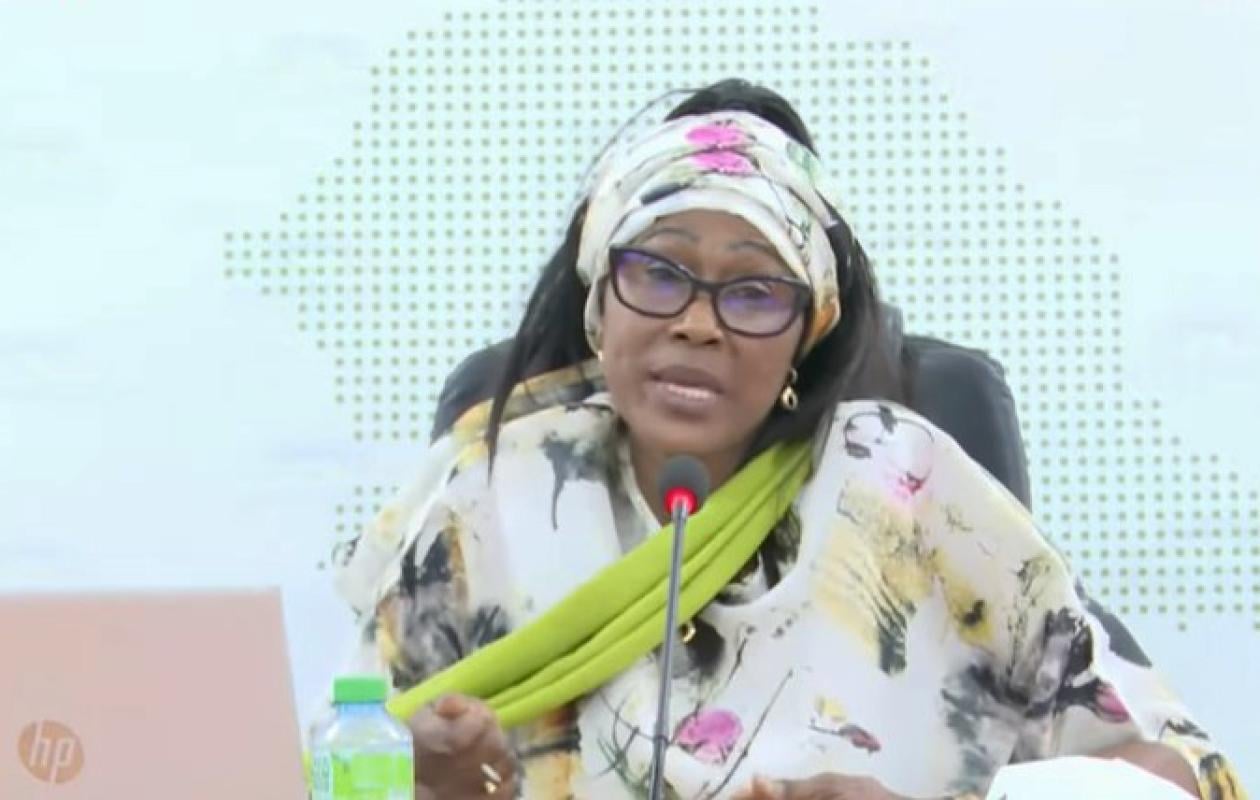
A parliamentary commission in Dakar-Plateau is currently scrutinizing various land allocations and cessions involving the state's private domain, uncovering numerous administrative inconsistencies. The inquiry has specifically focused on the activities of Eva Abess Niang, who previously served as the head of the Dakar-Plateau Land Registry office. Her recent audit centered on several contested transactions, with the commission meticulously examining the dates associated with official acts, the financial valuations applied, and the true identities of the beneficiaries involved in these land deals.
The ongoing Senegal land allocation investigation aims to shed light on the processes by which state property is transferred, particularly in the bustling Dakar region. Deputies are delving into the specifics of each case, questioning the regularity of procedures and the transparency of transactions. This heightened scrutiny signals a significant push to address long-standing concerns regarding property management and allocation within the capital.
Questionable Transactions
Among the cases under review is the notable "Panier Magique" land case, involving a 2,339 square meter parcel situated on the Corniche in Mermoz. This plot was allocated to a company established in 2023. Records indicate that a lease request was submitted on December 22, 2023, and the Commission de contrôle des opérations domaniales (CCOD) issued a favorable opinion just four days later, on December 26. However, the technical report from the Cadastre was not transmitted until December 27, raising serious questions from deputies regarding the regularity of this timeline.
Further discrepancies emerged concerning the company's financial standing, with documents showing a capital of one million CFA francs, while correspondence to the Land Registry claimed ten million. The official land estimate for the parcel was a mere 116 million CFA francs, starkly contrasting with its market value, which was assessed at over 7.5 billion CFA francs. This significant disparity between official and market valuations is a central point of contention, mirroring concerns from other Dakar property fraud cases. For instance, in 2018, a 15-hectare plot, intended for a hotel complex by a cooperative, was reportedly acquired for 3 billion CFA francs despite an estimated value of 22 billion. That transaction was also allegedly marred by irregularities, including a missing original land title that prompted legal action and implicated a former minister, a notary, and an associate of a former director general. The definitive cession decree for the "Panier Magique" plot was issued on March 18, 2024.
Beneficiary Scrutiny and Procedural Lapses
The parliamentary inquiry also highlighted procedural inconsistencies in other cases, such as the SCI Galoya land dispute, which is tied to land title 67/DK. This file presented two different dates for the CCOD's opinion: March 8 and August 9, 2023. Eva Abess Niang clarified to parliamentarians that an initial meeting failed to validate the dossier due to a rejected cadastral plan, necessitating a second session in August. She attributed the persistence of the March date in the lease contract to an error.
Questions surrounding the true beneficiaries of land allocations arose in the cases of SCI Neddo and Takhaw Nguène. Paul François Diokh, identified as a manager, denied through his legal counsel ever signing attribution requests or soliciting parcels. Commissioners noted his professional connections to the late Mamadou Moustapha Bâ, a former Minister of Finance and Budget, leading to suspicions of the use of straw men. Niang stated that her department verified identity documents and company statutes but lacked the authority to investigate the effective beneficiaries. Additionally, the Madeleine SA case exposed coordination challenges among public services, where plots from the former Palace of Justice perimeter were subdivided and allocated to private entities, even though some areas were already under the management of the Société de gestion du patrimoine bâti de l’État (SOGEPA).
Implications and Future Outlook
The parliamentary commission is committed to establishing accountability across various public entities, including the Cadastre, the Land Registry (Domaines), and the Commission contrôle opérations domaniales CCOD. Its mandate extends to scrutinizing the conversion of leases into definitive state land cession Senegal and accurately identifying the ultimate beneficiaries of these transactions. This comprehensive review underscores a critical effort to enhance transparency and integrity in land governance.
The ongoing parliamentary investigation could ultimately lead to the annulment of acts deemed illegal or a significant reform of the Commission de contrôle des opérations domaniales. The findings are expected to have far-reaching implications for future land transactions in Senegal, potentially reshaping regulatory frameworks and demanding enhanced due diligence for property acquisitions in Dakar.
Practical Implications
This parliamentary investigation signals heightened scrutiny on land transactions in Senegal, particularly those involving state property. Lawyers should advise clients on enhanced due diligence for property acquisitions in Dakar and prepare for potential challenges to existing land titles or reforms to the CCOD process, including the annulment of previously approved acts.
Source
Source: Original reporting via Seneweb.
How does this affect you?
Get an AI analysis of this article grounded in your jurisdictions, practice areas, and any policy documents you've uploaded to Wansom.
Finish Reading the Full Story and the Expert Analysis.
Wansom is AI and can make mistakes.