
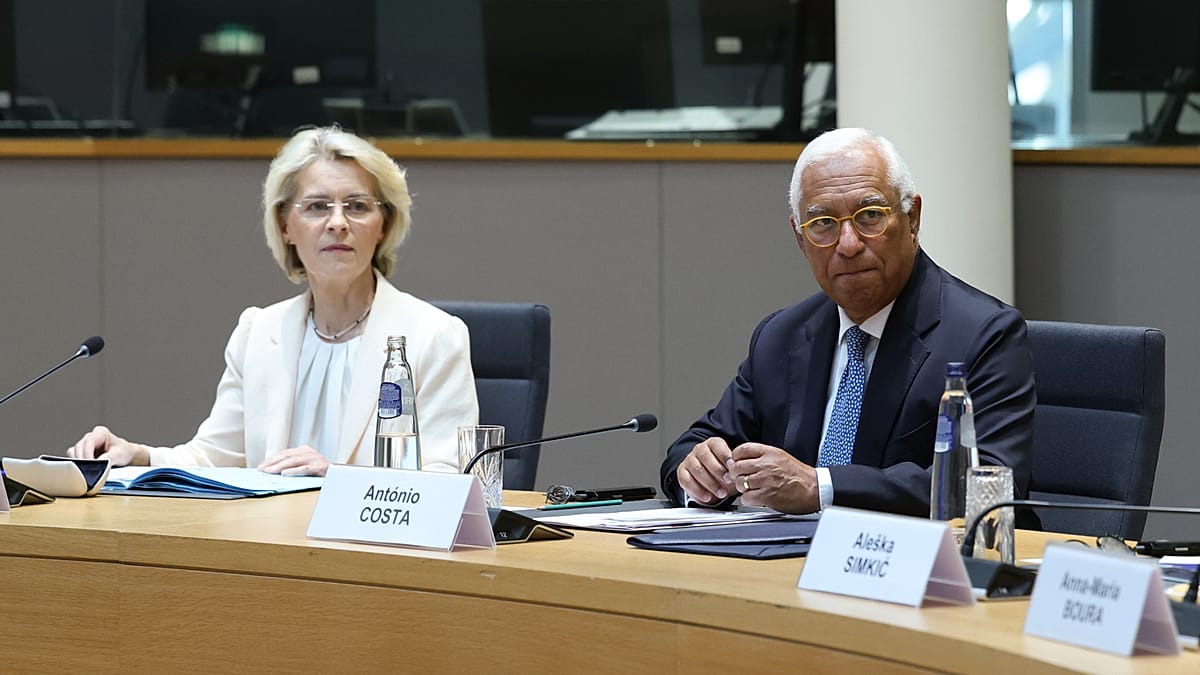
EU Leaders Back International Criminal Court Despite US Sanctions
Summary
- EU leaders express support for International Criminal Court (ICC) despite US sanctions.
- US Secretary of State Marco Rubio announces new sanctions on senior figures investigating alleged Israeli war crimes.
- The EU's stance is seen as a united front against the US, which has been critical of the ICC.
- The ICC was established in 1998 to prosecute individuals responsible for war crimes and other international crimes.
- The EU's support for the ICC may have far-reaching implications for international cooperation and jurisdiction in war crimes investigations.
What Happened
The EU's stance is a stark contrast to that of the US, which has been increasingly critical of the ICC.
In a significant move, EU leaders have expressed their unwavering support for the International Criminal Court (ICC) in the face of fresh US sanctions. The sanctions, announced by US Secretary of State Marco Rubio, target senior figures investigating alleged Israeli war crimes. This development has sparked concerns about the potential impact on international cooperation and jurisdiction in war crimes investigations.
The EU's stance is a stark contrast to that of the US, which has been increasingly critical of the ICC. The new sanctions are seen as an attempt by the US to exert pressure on the court and undermine its authority.
Legal Context
The ICC was established in 1998 with the aim of prosecuting individuals responsible for war crimes, crimes against humanity, and genocide. The court has jurisdiction over crimes committed on the territory of its member states or by their nationals. Despite its establishment, the ICC has faced challenges from countries like the US, which have raised concerns about its authority and impartiality.
The EU's support for the ICC is significant, as it represents a united front against the US sanctions. The bloc's leaders have emphasized the importance of upholding international law and ensuring accountability for those responsible for war crimes.
Why It Matters
The EU's stance on the ICC has far-reaching implications for international cooperation and jurisdiction in war crimes investigations. As the court continues to investigate alleged Israeli war crimes, the US sanctions may have a chilling effect on future cases. Lawyers and experts are closely watching this development, as it could set a precedent for other countries to follow suit.
The EU's support for the ICC also underscores its commitment to upholding international law and promoting accountability for those responsible for war crimes. This stance is likely to have significant implications for future cases and may pave the way for increased cooperation between EU member states and the ICC.
Practical Implications
Lawyers should watch for potential implications on international cooperation and jurisdiction in war crimes investigations, as the EU's stance may impact future cases.
Source
How does this affect you?
Get an AI analysis of this article grounded in your jurisdictions, practice areas, and any policy documents you've uploaded to Wansom.
Wansom is AI and can make mistakes.