
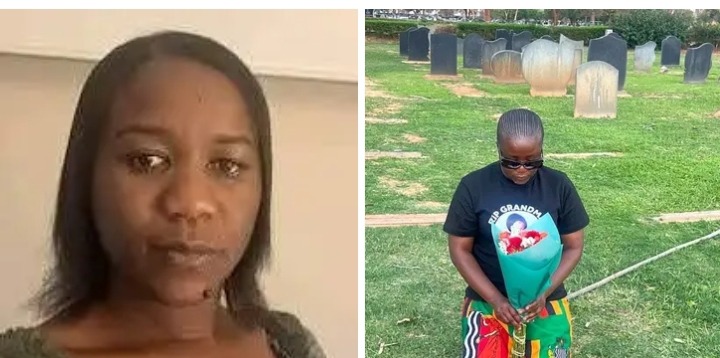
Zambia: Ethel Chisono Edwards Prison Release After Hate Speech Conviction
Summary
- Zambian-American influencer Ethel Chisono Edwards, known as "One Boss Lady," has been released from prison in Zambia.
- She served part of an 18-month sentence for hate speech related to insulting remarks made about President Hakainde Hichilema.
- Edwards is a Zambian-born political vlogger and estate agent who also holds US citizenship.
- Her case highlights the enforcement of hate speech laws in Zambia concerning online commentary directed at public figures.
Recent High-Profile Release in Zambia
Her early release from the 18-month term underscores the complex interplay between freedom of expression, national laws, and the consequences for public figures engaged in political discourse online.
Ethel Chisono Edwards, a prominent Zambian-American influencer and political vlogger known online as "One Boss Lady," has been released from prison in Zambia. Her release follows a period of incarceration where she served a portion of an 18-month sentence for hate speech. This development marks a significant moment in a case that has drawn attention to the legal boundaries of online commentary in the nation.
Ms. Edwards, who is Zambian-born but also holds US citizenship, had been serving time after being convicted of hate speech charges. The conviction stemmed from insulting remarks she made concerning Zambia’s President Hakainde Hichilema. Prior to her legal troubles, she was recognized for her online presence and her professional role as an estate agent in New York.
Her early release from the 18-month term underscores the complex interplay between freedom of expression, national laws, and the consequences for public figures engaged in political discourse online. The case of Ethel Chisono Edwards' prison release in Zambia has been closely watched by those monitoring media freedom and legal enforcement in the region.
Context of the Hate Speech Conviction
The conviction of Ethel Chisono Edwards for hate speech arose from specific comments directed at President Hakainde Hichilema. These remarks, deemed insulting by the authorities, led to the imposition of an 18-month prison sentence, highlighting the serious view taken by Zambian courts on such offenses. The legal action against the political vlogger, also known as "One Boss Lady," served as a stark reminder of the potential repercussions for online content creators.
This particular Zambia hate speech conviction brought to the forefront the legal framework governing public discourse, especially when it involves high-ranking government officials. The nature of the charges and the subsequent sentence reflect a judicial stance that aims to curb what is perceived as inflammatory or disrespectful speech, particularly within the digital sphere. The case involving Ethel Edwards' Hakainde Hichilema remarks has thus become a precedent for how online criticism can be legally challenged.
While the exact content of the insulting remarks was not detailed in the public announcement of her release, the outcome of an 18-month hate speech sentence for a prominent figure like Ms. Edwards signals a firm application of existing laws. This incident underscores the importance of understanding the legal landscape for online expression in Zambia, particularly for individuals with a significant public platform.
Implications for Online Commentary in Zambia
The prison release of Zambian influencer Ethel Chisono Edwards, after serving part of her sentence, carries significant implications for individuals engaged in political commentary and online activism within Zambia. Her case serves as a practical reminder of the stringent enforcement of hate speech laws, particularly when such commentary is directed at public figures like the President. This legal outcome emphasizes that online remarks are not immune from severe legal ramifications.
For those operating in media or political discourse, especially online, the Ethel Chisono Edwards prison release in Zambia highlights the potential for substantial prison sentences, even if only partially served. It underscores the necessity for careful consideration of content and tone to avoid falling afoul of hate speech legislation. The precedent set by this Zambia hate speech conviction suggests that authorities are prepared to act decisively against speech deemed insulting or hateful.
This situation reinforces the need for individuals, particularly influencers and political vloggers, to be acutely aware of the legal boundaries surrounding freedom of expression in Zambia. The case of "One Boss Lady" demonstrates that online platforms do not offer immunity from legal accountability, and that critical or satirical content can lead to serious legal consequences, including incarceration.
Practical Implications
This case serves as a practical reminder of the enforcement of hate speech laws in Zambia, particularly concerning online commentary directed at public figures. Lawyers should advise clients, especially those in media or political discourse, on the potential legal ramifications and prison sentences for such remarks, even if partially served.
Source
How does this affect you?
Get an AI analysis of this article grounded in your jurisdictions, practice areas, and any policy documents you've uploaded to Wansom.
Finish Reading the Full Story and the Expert Analysis.
Get the latest legal & regulatory intelligence in Zambia
Wansom is AI and can make mistakes.