
Eswatini: School Transport Drug Mules Exploit Children
Summary
- School transport operators, known as Bomalume, are accused of using schoolchildren to smuggle drugs in Eswatini.
- The alleged motive is to exploit children's innocence to evade police detection.
- Manzini Prevention Officer Constable Mandisa Dhladla revealed these allegations during a community police workshop.
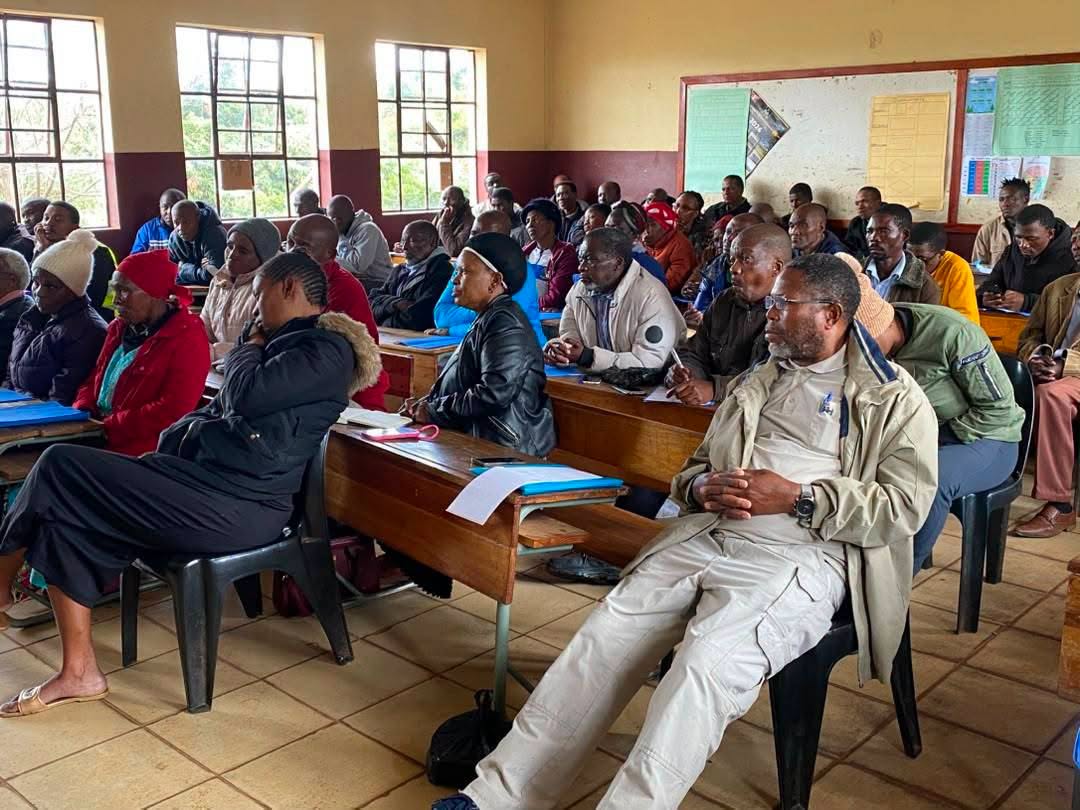
- The workshop was a two-day capacity building event for community police under the Manzini North Inkhundla.
- This development highlights a serious challenge for Eswatini anti-drug enforcement and child protection efforts.
What Happened
Utilizing minors, especially schoolchildren, in any capacity for criminal activities such as drug smuggling constitutes a grave form of child exploitation.
A concerning trend has emerged in Eswatini, where certain school transport operators, commonly referred to as 'Bomalume,' are reportedly exploiting children to facilitate drug smuggling. These operators are alleged to be enlisting schoolchildren as unwitting couriers, leveraging their innocence to transport illicit substances and thereby circumvent police detection. The strategy reportedly aims to exploit the lower scrutiny typically applied to minors and school-related activities, making it a particularly insidious form of child exploitation within the drug trade.
These serious claims were brought to light by Constable Mandisa Dhladla, a Prevention Officer stationed in Manzini. Officer Dhladla articulated these allegations during a two-day capacity building workshop specifically organized for community police personnel. The event, which took place on Friday, gathered law enforcement representatives from across the Manzini North Inkhundla, underscoring the regional focus of these concerns.
The workshop served as a critical forum for discussing prevalent issues affecting community safety and law enforcement strategies. The revelation regarding the use of schoolchildren as Eswatini school transport drug mules by Bomalume operators highlights a significant challenge for Eswatini anti-drug enforcement efforts, pointing to a sophisticated and deeply troubling method of drug trafficking that directly imperils the nation's youth.
Legal and Regulatory Context
The allegations against 'Bomalume' operators underscore severe breaches of child protection principles and existing laws against drug trafficking in Eswatini. Utilizing minors, especially schoolchildren, in any capacity for criminal activities such as drug smuggling constitutes a grave form of child exploitation. Such actions not only expose children to immense danger and trauma but also implicate them in serious offenses, potentially derailing their futures and compromising their safety within the educational environment.
From a regulatory standpoint, school transport compliance in Eswatini is expected to prioritize the safety and well-being of pupils above all else. Operators are entrusted with the care of children, and any deviation into illicit activities represents a profound betrayal of that trust. The involvement of children in drug trafficking schemes, as highlighted by Manzini Prevention Officer Dhladla, necessitates a rigorous re-evaluation of oversight mechanisms for all entities involved in child transportation, ensuring they adhere to stringent safeguarding protocols.
The legal framework in Eswatini likely provides for severe penalties for individuals found guilty of Eswatini child drug trafficking and exploitation. This development signals an urgent need for enhanced enforcement and potentially revised guidelines to prevent such abuses. The focus on Bomalume drug smuggling Eswatini brings to the forefront the critical intersection of child protection and anti-narcotics efforts, demanding a coordinated response from law enforcement, educational institutions, and community leaders to uphold child exploitation Eswatini law.
Why It Matters
This emerging pattern of Eswatini school transport drug mules represents a significant escalation in the tactics employed by criminal networks, posing a direct threat to the nation's youth and public safety. The deliberate targeting of schoolchildren to evade police detection reveals a calculated and morally reprehensible strategy that exploits the very institutions designed to protect and educate children. It necessitates a heightened level of vigilance from parents, educators, and the wider community.
The public disclosure by Constable Mandisa Dhladla during the community police workshop indicates a serious commitment from Eswatini anti-drug enforcement agencies to address this issue head-on. This increased scrutiny on school transport operations could lead to more stringent background checks for operators, enhanced surveillance on routes, and educational campaigns aimed at informing children and parents about the dangers of unknowingly participating in illicit activities. The allegations serve as a stark reminder of the pervasive nature of drug-related crime and its potential to infiltrate even the most innocent aspects of daily life.
Ultimately, the integrity of the school system and the safety of children are paramount. The reported Bomalume drug smuggling Eswatini challenges the fundamental trust placed in those responsible for transporting children. Addressing this issue effectively will require a multi-faceted approach, combining robust law enforcement actions with preventative measures and community engagement to safeguard children from exploitation and to dismantle these dangerous drug networks.
Practical Implications
This development signals increased police scrutiny on school transport operations in Eswatini, potentially leading to new compliance requirements for transport companies and schools regarding child protection and drug prevention. Lawyers should advise clients on reviewing their child safeguarding policies and preparing for potential regulatory changes or enforcement actions related to child exploitation and drug trafficking.
Source
How does this affect you?
Get an AI analysis of this article grounded in your jurisdictions, practice areas, and any policy documents you've uploaded to Wansom.
Wansom is AI and can make mistakes.