
SCA: Eskom Kusile Pollution Appeal Finds Environmental Non-Compliance
Summary
- South Africa's Supreme Court of Appeal ruled against Eskom on August 14, 2026, finding it violated environmental and water-use rules at its Kusile power station.
- The court also determined that government officials failed to ensure Eskom's compliance with these regulations.
- The case was brought by Topigs Norsvin, a pig farm downstream from Kusile, which reported polluted water affecting its operations.
- Eskom had failed to comply with legally binding permit conditions, including containing polluted water and submitting accurate monitoring reports.
- The ruling sets a precedent by clarifying that environmental rules apply post-project approval and holding both polluters and regulators accountable.
A Landmark Environmental Ruling
This SCA environmental ruling sends two clear and powerful messages across the South African industrial and regulatory landscape.
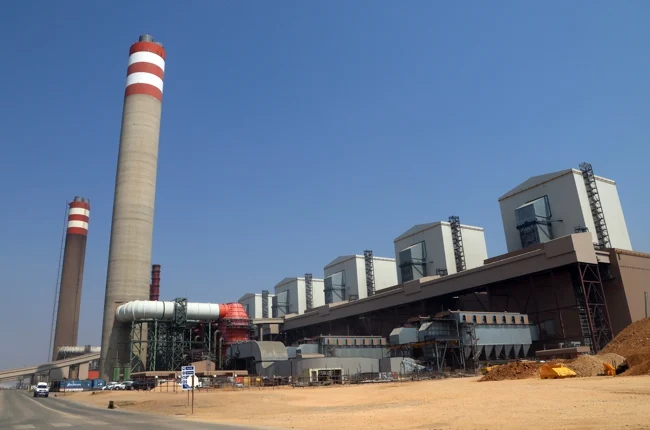
The Supreme Court of Appeal (SCA) in South Africa recently delivered a significant judgment on August 14, 2026, siding with pig-breeding company Topigs Norsvin against state-owned electricity provider Eskom. The court determined that Eskom had violated environmental and water-use regulations pertaining to its Kusile power station, a critical facility in Mpumalanga that commenced operations in 2017 and supplies power to over three million homes. Crucially, the SCA also found that government officials had neglected their duty to ensure Eskom adhered to these vital environmental standards.
This pivotal decision followed a protracted legal battle initiated by Topigs Norsvin, whose farm is situated downstream from the Kusile plant. The company raised alarms after discovering that polluted water from the power station was infiltrating local groundwater, a wetland, and nearby streams, thereby jeopardizing both regional water sources and its agricultural operations. Despite Topigs Norsvin's participation in Kusile's environmental monitoring committee, the pollution issues persisted, prompting the company to seek judicial intervention.
Topigs Norsvin initially approached the High Court in 2023, requesting an order compelling Eskom to comply with environmental rules and demanding action from the relevant water and environmental authorities. However, the High Court dismissed this application in June 2024, leading Topigs Norsvin to appeal the decision to the Supreme Court of Appeal, which ultimately reached a starkly different conclusion. The SCA's verdict underscores a critical re-evaluation of environmental accountability within the country's industrial landscape.
Breaches of Compliance and Regulatory Oversight
The Supreme Court of Appeal's findings against Eskom were multifaceted, detailing a pattern of non-compliance with its environmental obligations. Before the construction of the Kusile power station, Eskom was mandated to secure environmental approvals and water-use licenses. These permits stipulated stringent conditions, including the containment of polluted water, prevention of dirty water runoff into surrounding areas, regular water quality testing, and adherence to specified water-use limits. The SCA explicitly stated that these conditions were legally binding requirements, not merely administrative formalities.
The judgment meticulously documented a long history of operational problems at Kusile. Evidence presented to the court revealed that monitoring information was frequently submitted late or, in some instances, not at all. Furthermore, many reports contained significant gaps or scientific inaccuracies, indicating a systemic failure in environmental data collection and reporting. Eskom also failed to implement several corrective actions it had previously committed to undertaking to mitigate the environmental damage.
Repeated water quality tests consistently highlighted ongoing issues, reinforcing the allegations of persistent pollution. The SCA's ruling thus not only pinpointed Eskom's failure to uphold its commitments but also critically exposed the government officials' dereliction of duty in enforcing these crucial environmental safeguards. This dual accountability forms a central tenet of the SCA's landmark decision regarding the Kusile power station's environmental compliance.
Setting a Critical Precedent for Environmental Law
The Supreme Court of Appeal's decision in the Eskom Kusile pollution case establishes a significant precedent for environmental law and enforcement in South Africa. The court mandated that both Eskom and the implicated government officials must undertake specific remedial actions to address the environmental issues at Kusile, with strict deadlines for reporting back on their progress. This directive highlights the judiciary's power to compel concrete steps towards environmental remediation and accountability.
The judgment is particularly impactful because it provides definitive answers to three fundamental questions within environmental and climate change law. Firstly, it clarifies which environmental rules remain applicable even after a major industrial project has received initial approval. Secondly, it unequivocally identifies who bears the responsibility for ensuring these rules are consistently followed. Finally, the ruling delineates the scope of judicial intervention when both corporate entities and governmental regulators fail in their environmental duties.
This SCA environmental ruling sends two clear and powerful messages across the South African industrial and regulatory landscape. It affirms that environmental regulations are not merely checkboxes to be ticked during project approval but are enduring obligations that apply throughout a project's lifecycle. Moreover, it underscores that accountability for environmental failures rests equally with the polluting entity and the state authorities tasked with oversight and enforcement. Given that approximately 74% of South Africa's electricity is generated by coal-fired power stations, which are known sources of greenhouse gas, air, and water pollution, this judgment reinforces the critical importance of robust environmental authorisations and water-use licence enforcement to manage these inherent risks effectively.
Practical Implications
This ruling sets a critical precedent in South African environmental law, confirming that environmental authorisations and water-use licenses are legally binding and subject to ongoing judicial enforcement. Lawyers should advise clients on the heightened risk of litigation for non-compliance, even post-project approval, and the potential for courts to compel specific remedial actions and hold both polluters and regulatory authorities accountable for environmental failures.
Source
How does this affect you?
Get an AI analysis of this article grounded in your jurisdictions, practice areas, and any policy documents you've uploaded to Wansom.
Finish Reading the Full Story and the Expert Analysis.
Get the latest legal & regulatory intelligence in South Africa
Wansom is AI and can make mistakes.