
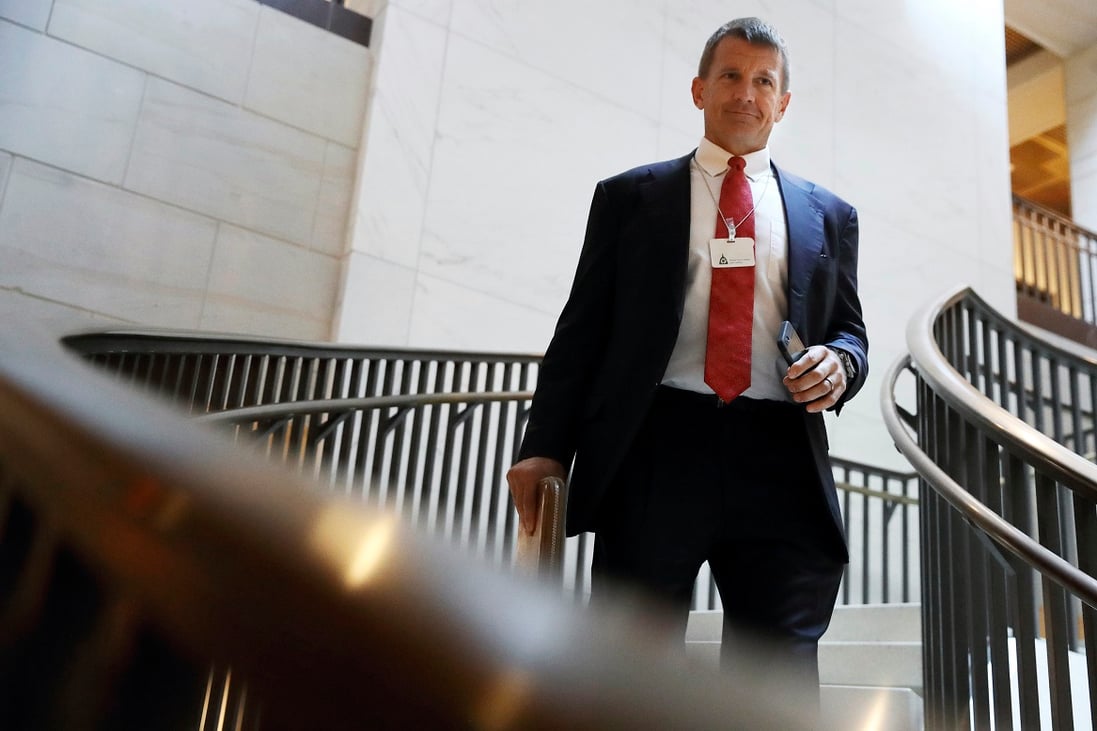
Erik Prince Paramilitaries: DR Congo Minerals Security Deal
Summary
- U.S. businessman Erik Prince, founder of Blackwater, is a key player in the Democratic Republic of Congo, supporting government forces against M23 rebels.
- Prince signed a $100-$200 million contract with the Congolese Finance Ministry in 2024, officially for securing mining sites and improving tax collection.
- His group is also linked to military operations, including drone surveillance support for Congolese forces in January 2026.
- Kisangani has become a hub for private military companies operating Chinese-made CH-4 drones against M23, with sources linking this to Prince.
- The involvement of private military contractors with opaque contracts in the DRC's mineral sector poses significant compliance, reputational, and sanctions risks for businesses.
The Emergence of Private Military Actors in the DRC
The opaque nature of these contracts and the dual role of security and operational support raise significant compliance and reputational concerns for any entities indirectly or directly associated with such arrangements.
The Democratic Republic of Congo (DRC) has become a focal point for private military contractors, with U.S. businessman Erik Prince, founder of the controversial Blackwater security firm, identified as a significant figure. Prince, whose company's personnel faced convictions for atrocities in Iraq, is reportedly a key player in the conflict-ridden Central African nation. His involvement coincides with Washington's strategic interest in the DRC's vast mineral resources. Foreign paramilitaries are increasingly observed operating within the country, providing support to the government's under-equipped forces in their ongoing struggle against the M23 rebel group. While the exact employers of all foreign personnel remain unclear to officials, Prince's name is frequently cited by various sources.
This dynamic has led to a "business-as-security" model, which the Global Initiative Against Transnational Organized Crime (GIATOC) describes as unprecedented in the region's political-security landscape. The presence of these private actors underscores a complex interplay between geopolitical interests, internal conflict, and the lucrative mineral sector. Companies with operations or supply chains in the DRC, particularly those dealing with minerals, face heightened scrutiny regarding their partners and security arrangements.
Erik Prince's Engagements and Controversies
Erik Prince's activities in the DRC include a substantial contract signed in 2024 with the Congolese Finance Ministry, valued between $100 million and $200 million, according to GIATOC. This agreement was officially intended to bolster security at mining sites, enhance mechanisms for tax collection, and combat the cross-border smuggling of minerals. However, Prince's group has also been linked to more direct military operations, such as supporting Congolese special operations forces and army units with drone surveillance and other technical assistance during efforts to retake Uvira, a major city in South Kivu province, in January 2026, after its brief capture by M23.
Further reports from The New York Times detailed the involvement of two paramilitaries working for Prince: a New Zealander who was killed, and a former U.S. special forces member who sustained injuries in an ambush in September. Prince's business interests in the DRC are represented by two entities, Vectus Global and Quantum Global Consulting, both maintaining a discreet presence in the national capital, Kinshasa, with their executives reportedly keeping a low profile. The opaque nature of these contracts and the dual role of security and operational support raise significant compliance and reputational concerns for any entities indirectly or directly associated with such arrangements.
The Expanding Role of Private Military Companies
The Democratic Republic of Congo has become a hub for private military companies (PMCs), with Kisangani, an eastern provincial capital, emerging as a key operational center. U.N. experts have reported that this location is now a deployment point for PMC personnel, specifically tasked with operating Chinese-made CH-4 drones that are regularly used to strike M23 positions. While the U.N. experts did not identify the specific companies involved, sources have connected this operational hub to Erik Prince's network. Accommodations for several thousand such personnel have reportedly been constructed in Kisangani, indicating a substantial and sustained presence.
This surge in private military activity follows previous engagements, such as the termination of a contract with Agemira, a French-led private military firm, by the Congolese government. This occurred after their paramilitaries proved ineffective against M23's Rwandan-backed reinforcements. Former Agemira personnel were subsequently redeployed to Kisangani. Additionally, U.N. experts noted the presence of South American military contractors at Kisangani's airport, observed in green fatigues maintaining military aircraft, though their employer could not be definitively identified. These developments highlight a growing reliance on external private forces in the ongoing conflict.
Legal and Ethical Considerations for DRC Operations
The extensive involvement of private military contractors, particularly those with controversial histories like Erik Prince's Blackwater, in the Democratic Republic of Congo's mineral-rich regions presents substantial legal and ethical challenges for international businesses. The "business-as-security" model, where private entities secure mining sites and assist with tax collection while also allegedly engaging in military operations, creates a complex risk environment. Companies involved in the DRC's supply chains, especially those sourcing strategic minerals, must exercise heightened due diligence when vetting security contractors and local partners.
The opaque nature of contracts, such as the one between Prince and the Congolese Finance Ministry, and the reported involvement of these private forces in active conflict zones, expose businesses to significant compliance, reputational, and potential sanctions risks. The 2025 U.S.-mediated agreement, which aimed to stabilize the conflict in exchange for U.S. access to minerals, further underscores the geopolitical stakes. Lawyers and compliance officers advising companies with operations in the DRC must scrutinize contractual arrangements to ensure adherence to international law, human rights standards, and ethical business practices, given the volatile context and the history of private military operations in the region.
Practical Implications
Lawyers and compliance officers advising companies with operations or supply chains in the Democratic Republic of Congo, particularly in the mineral sector, must conduct heightened due diligence on security contractors and partners. The involvement of private military companies with controversial histories, and the opaque nature of their contracts for mineral security and tax collection, present significant compliance, reputational, and potential sanctions risks. This development underscores the need to scrutinize contractual arrangements to ensure adherence to international law and ethical standards.
Source
How does this affect you?
Get an AI analysis of this article grounded in your jurisdictions, practice areas, and any policy documents you've uploaded to Wansom.
Finish Reading the Full Story and the Expert Analysis.
Get the latest legal & regulatory intelligence in United States
Wansom is AI and can make mistakes.