
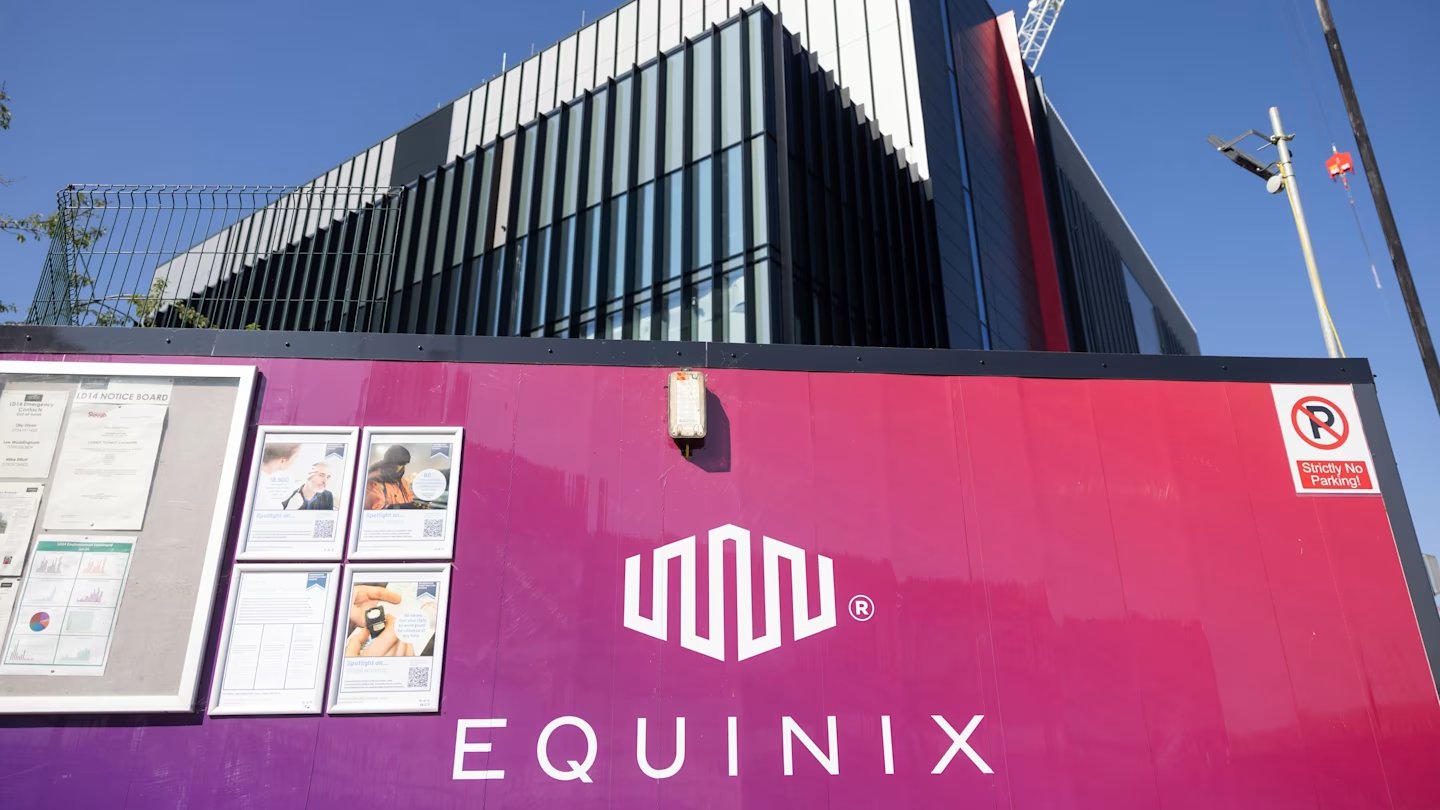
Housing Assembly & Foxglove: Equinix Cape Town Data Centre Appeal Lodged
Summary
- Civil society groups, including Housing Assembly and Foxglove, have appealed the Municipal Planning Tribunal's approval for an Equinix hyperscale data centre in Cape Town.
- The appeal argues the approval lacked crucial information on community impact, particularly concerning water and electricity resources, and that the Tribunal improperly created a new 'data centre' land use category.
- Activists highlight the proposed 174 megavolt-ampere facility's proximity to vulnerable communities already struggling with resource scarcity, citing Cape Town's 2018 'Day Zero' event.
- The challenge also asserts the City of Cape Town's failure to meet constitutional duties regarding environmental protection and residents' rights to basic resources.
- A prior joint report to the South African Human Rights Commission called for national data centre regulations, including mandatory disclosure of water and electricity consumption.
Cape Town Data Centre Approval Challenged
The appeal extends beyond the specific approval, raising fundamental questions about the City of Cape Town's constitutional obligations to its residents.
Civil society organizations have formally appealed a land use approval that would permit the construction of a hyperscale data centre by US technology firm Equinix in Cape Town. The Municipal Planning Tribunal granted the approval on July 14, encompassing rezoning, subdivision, consolidation, and amendments to conditions, which could facilitate the development of one or potentially two data centres at King Air Industria.
The appeal was lodged by the Housing Assembly and technology justice group Foxglove, with legal representation from the Legal Resources Centre. Equinix, a global operator, manages over 280 data centres across 36 countries. The challenge highlights growing scrutiny on large-scale infrastructure projects and their environmental and social implications within South Africa.
Grounds for the Appeal
The activists contend that the application should have been rejected due to insufficient information regarding the data centre's potential impact on nearby communities, particularly concerning critical electricity and water resources. They argue that the Tribunal erroneously treated the matter as a straightforward rezoning application, and in doing so, effectively established a new land use category specifically for 'data centres.' The proposed 174 megavolt-ampere facility is slated for construction adjacent to vulnerable communities including the Barcelona informal settlement, Bishop Lavis, Gugulethu, and KTC, areas where many residents already face unreliable access to water and electricity, recalling Cape Town's near 'Day Zero' crisis in 2018.
Further criticisms include the application's alleged failure to address key environmental factors such as water consumption, emissions, electricity demand, air pollution, and noise, as well as a lack of detailed building plans. The objectors also dispute the Tribunal's justification for approval, which cited 'positive economic impact' through job creation and support for 'downstream industries,' asserting that no report substantiated these claims. They emphasize that the Tribunal did not consider the competing interests of local communities, who were never consulted during the approval process. The groups also noted that they only managed to obtain Equinix's response to their initial objection through an access to information request, just days before the hearing.
Broader Legal and Regulatory Implications
The appeal extends beyond the specific approval, raising fundamental questions about the City of Cape Town's constitutional obligations to its residents. The civil society groups assert that the City has persistently failed to uphold its constitutional imperatives to protect, promote, and advance rights related to environmental protection, property, adequate housing, and sufficient food and water. They argue that the development of a resource-intensive data centre is incompatible with safeguarding these fundamental constitutional rights.
This challenge follows a joint report submitted to the South African Human Rights Commission by the Housing Assembly, Foxglove, Open Secrets, Research + Action, and Planetary AI Collective. That report called for the establishment of national regulations for the data centre sector, including mandatory disclosure of each facility's water and electricity usage. Kashiefa Achmat of the Housing Assembly underscored the community's struggle for basic resources, stating that the data centre's demand for land, water, and energy bypasses the needs of residents. Rosa Curling, co-executive director of Foxglove, emphasized that no new data centres should proceed in Cape Town until the City possesses comprehensive information on their ultimate environmental and resource impacts. Equinix is expected to present its own submissions during the appeal process.
Practical Implications
Lawyers advising on large infrastructure projects, particularly data centres in South Africa, must note the heightened scrutiny on environmental and social impact assessments, community engagement, and constitutional rights. This appeal highlights the risk of approvals being overturned due to inadequate information and the potential for new regulatory requirements for resource-intensive developments.
Source
Source: Original reporting via GroundUp
How does this affect you?
Get an AI analysis of this article grounded in your jurisdictions, practice areas, and any policy documents you've uploaded to Wansom.
Finish Reading the Full Story and the Expert Analysis.
Get the latest legal & regulatory intelligence in South Africa
Wansom is AI and can make mistakes.