
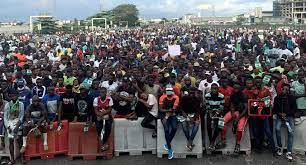
Nigeria: Six Years On, EndSARS Victims Still Seek Justice
Summary
- Six years after the 2020 #EndSARS protests, the core demands of the movement in Nigeria remain largely unfulfilled.
- A persistent pattern of impunity for abuses, particularly involving law enforcement, continues to be observed.
- The widespread public calls for justice from victims of the #EndSARS movement have grown louder over time.
- The failure to address these demands has significant implications for public trust and accountability in Nigeria.
The Enduring Quest for Justice
The persistent nature of this impunity has only amplified the voices of those seeking redress, making the quest for justice for EndSARS victims in Nigeria a more urgent and louder appeal six years after the initial protests.
Six years following the widespread demonstrations that galvanized Nigerians in 2020, the fundamental issues that propelled citizens into the streets remain largely unresolved. The fervent calls for justice from victims of the #EndSARS movement continue to resonate, highlighting a profound lack of progress on the core demands articulated during that period. This sustained public outcry underscores a deep-seated frustration with the pace of reform and accountability within the nation's justice system.
The initial demands, which sought to address systemic issues within law enforcement, have, for the most part, not been fulfilled. This stagnation has allowed a concerning pattern of impunity to endure, where those responsible for abuses often face no consequences. The persistent nature of this impunity has only amplified the voices of those seeking redress, making the quest for justice for EndSARS victims in Nigeria a more urgent and louder appeal six years after the initial protests.
Unfulfilled Promises and Systemic Impunity
The 2020 #EndSARS protests in Nigeria were a watershed moment, driven by a collective desire for an end to police brutality and a demand for greater accountability from security forces. Despite the significant public mobilization and the global attention garnered by these demonstrations, the core demands for comprehensive police reform, prosecution of errant officers, and adequate compensation for victims have largely gone unaddressed. This failure to implement meaningful changes has left many feeling that the sacrifices made during the protests were in vain.
The continued prevalence of impunity is a critical aspect of this ongoing challenge. A pattern has been established where allegations of human rights abuses, particularly those involving law enforcement, frequently do not lead to appropriate legal or disciplinary action. This lack of accountability perpetuates a cycle of injustice, undermining public trust and reinforcing the perception that certain individuals or institutions operate above the law. The absence of concrete steps towards police brutality justice in Nigeria remains a significant concern for human rights advocates and civil society organizations, highlighting the ongoing human rights Nigeria impunity.
Implications for Governance and Civil Society
The enduring failure to meet the 2020 EndSARS demands carries significant implications for governance and the relationship between the state and its citizens. When demands for justice and accountability from such a widespread movement are left unaddressed for an extended period, it can erode public confidence in democratic institutions and the rule of law. The sustained "cry of justice" serves as a constant reminder of the government's unfulfilled commitments and the deep-seated issues that continue to plague the nation's security apparatus.
For Nigeria's civil society, the persistence of impunity and the lack of police reform present ongoing challenges and reinforce the need for continued advocacy. The initial momentum of the protests may have waned, but the underlying issues of human rights violations and the need for accountability remain potent. The continued demand for justice highlights the critical role of civil society in pushing for systemic change and ensuring that the voices of victims are not forgotten, even six years after the initial demonstrations, emphasizing the need for Nigeria civil society police reform.
Practical Implications
Lawyers specializing in human rights, civil liberties, or public interest litigation in Nigeria should note the persistent public demand for justice and the ongoing lack of accountability for #EndSARS abuses, indicating continued systemic issues and potential for future litigation or advocacy. Compliance officers in organizations operating in Nigeria should be aware of the sustained public sentiment and potential for renewed activism or regulatory scrutiny related to human rights and police conduct.
Source
How does this affect you?
Get an AI analysis of this article grounded in your jurisdictions, practice areas, and any policy documents you've uploaded to Wansom.
Finish Reading the Full Story and the Expert Analysis.
Get the latest legal & regulatory intelligence in Nigeria
Wansom is AI and can make mistakes.