
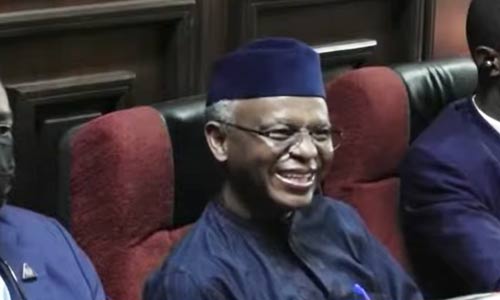
El-Rufai Denies Phone Tapping in Court, Cites Political Rhetoric
Former Kaduna State Governor, Nasir El-Rufai, in Nigeria, recently told the Federal High Court in Abuja that his previous comments about listening to government officials’ calls were merely political rhetoric and not an admission of unlawfully intercepting the telephone conversations of National Security Adviser (NSA) Nuhu Ribadu.
This development is significant for several reasons, primarily highlighting the legal boundaries of political speech, particularly when such speech might imply criminal conduct. For public figures, statements made in political contexts can have serious legal repercussions, and this case tests the defense of "political rhetoric" against allegations of criminal activity. It also underscores the importance of evidence and interpretation in legal proceedings, especially when dealing with potentially incriminating public statements made in the public domain.
The case likely involves allegations of unlawful interception of communications, which falls under Nigerian criminal law, potentially including provisions of the Cybercrime Act, 2015, or other relevant statutes prohibiting unauthorized surveillance or privacy violations. The defense of "political rhetoric" challenges the interpretation of El-Rufai's statements, arguing they lack the necessary intent or factual basis to constitute an admission of guilt. The Federal High Court has jurisdiction over matters involving federal laws and certain constitutional issues.
Key parties involved are former Kaduna State Governor Nasir El-Rufai; National Security Adviser (NSA) Nuhu Ribadu (as the alleged victim of interception); and the Federal High Court in Abuja. The specific plaintiff or prosecutor is not named, but it is implied that El-Rufai is responding to an accusation or charge.
Attorneys advising public figures, politicians, or individuals whose statements could be construed as admissions of criminal conduct must emphasize the critical distinction between political grandstanding and legally actionable statements. This case serves as a cautionary tale regarding the potential legal ramifications of public utterances. Practitioners should closely monitor the court's interpretation of "political rhetoric" in this context, as it could set an important precedent for how courts assess intent and admissions in politically charged cases. The outcome of this matter is not yet reported, and its resolution will be keenly watched by legal and political observers.
How does this affect you?
Get an AI analysis of this article grounded in your jurisdictions, practice areas, and any policy documents you've uploaded to Wansom.
Finish Reading the Full Story and the Expert Analysis.
Get the latest legal & regulatory intelligence in Nigeria
Wansom is AI and can make mistakes.