
Eighth Circuit: Section 230 Missouri Officials Face Immunity Challenge
Summary
- Missouri officials Rick Brattin and Denny Hoskins are seeking qualified immunity from the Eighth Circuit for social media posts related to the 2024 Chiefs parade shooting.
- Their posts falsely identified Denton Loudermill as the shooter and included commentary about "violent illegal immigrants."
- Loudermill, who later died, sued for invasion of privacy after receiving death threats, and a federal judge ruled in his favor, prompting the appeal.
- The officials argue Section 230 of the Communications Decency Act protects them from liability as publishers of third-party content.
- The case will clarify the scope of Section 230 immunity for government officials who amplify or add commentary to potentially defamatory social media content.
Officials Seek Immunity After Chiefs Parade Shooting Posts
The case will clarify the extent to which Section 230 of the Communications Decency Act of 1996 protects officials who not only share but also actively amplify or add their own commentary to potentially defamatory content.
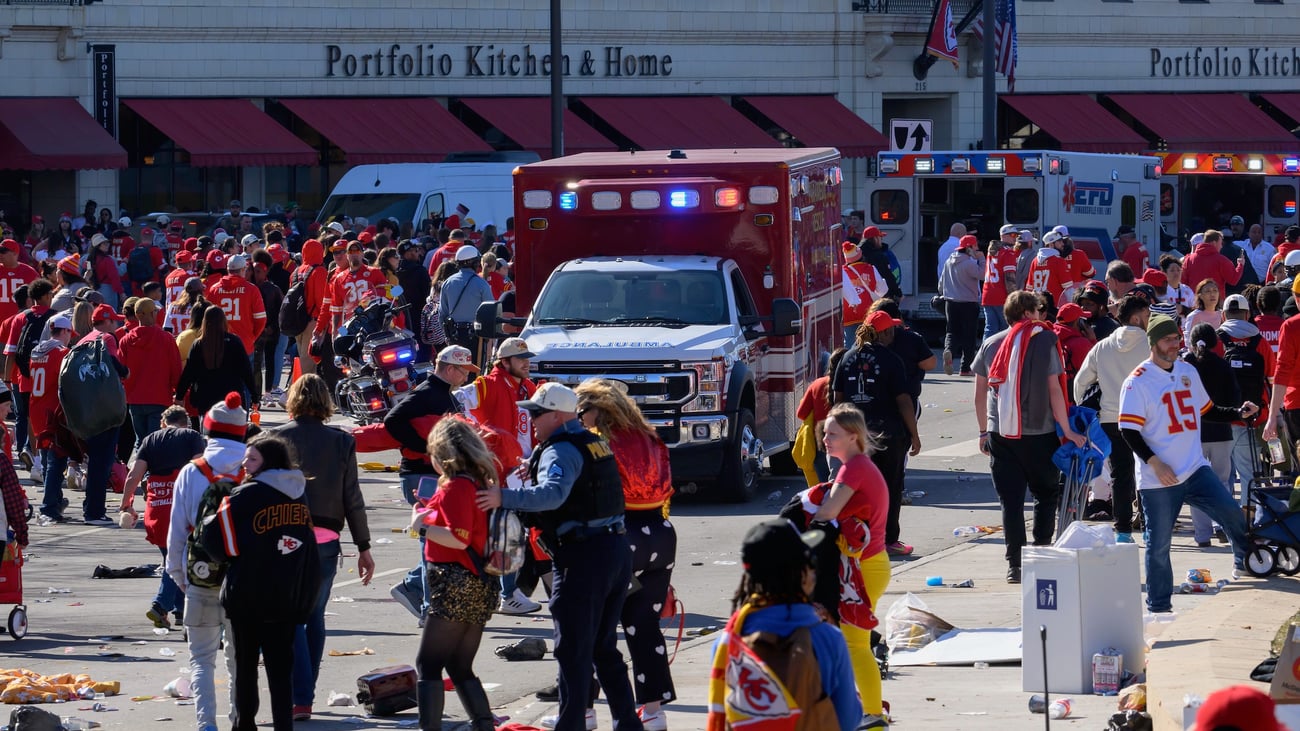
Two Missouri officials are appealing to the Eighth Circuit, seeking qualified immunity for social media posts made in the aftermath of a tragic shooting at the Kansas City Chiefs' 2024 Super Bowl parade. Missouri Senator Rick Brattin and Missouri Secretary of State Denny Hoskins, who served as a senator at the time of the incident, are at the center of a legal challenge that could redefine the scope of liability for government officials' online activities. Their defense hinges on the protections afforded by Section 230 of the Communications Decency Act of 1996, a federal statute designed to shield internet platforms and users from being held responsible for content originated by others.
The controversy began on February 14, 2024, when Brattin and Hoskins reposted an image of Denton Loudermill, who had been mistakenly apprehended in handcuffs following the shooting. Crucially, their posts falsely identified Loudermill as the perpetrator. Beyond merely sharing the image, both officials appended their own commentary, including statements about "violent illegal immigrants," which Loudermill contended wrongly portrayed him as such. Police quickly released Loudermill after approximately ten minutes, confirming his complete lack of involvement in the shooting. Loudermill subsequently filed an invasion of privacy lawsuit against the politicians, alleging that their posts led to him receiving death threats. Tragically, Loudermill passed away while the legal proceedings were underway, leading to his sister, Reba Paul, being substituted as his personal representative in the case. A federal judge previously ruled in Paul's favor in both lawsuits, prompting the current appeal to the Eighth Circuit.
The Legal Battle Over Section 230 and Qualified Immunity
The core of the appeal revolves around whether the actions of these Missouri officials fall under the protective umbrella of Section 230 immunity. This federal law generally prevents internet service providers and users from being treated as the publisher or speaker of information provided by third parties. Brattin and Hoskins argue that their social media activity, even with added commentary, should be covered by this provision, thereby granting them qualified immunity government officials posts often seek.
However, the plaintiff's legal team, represented by Washington University in St. Louis law student William Rogers, contends that the officials are accountable for their *own* speech, not just for hosting or reposting third-party content. Rogers highlighted that while Congress aimed to protect internet speech with Section 230, the statute's text does not explicitly grant immunity, nor does Congress pursue policy goals without limits. He specifically pointed to Secretary Hoskins' post, which repeatedly used the phrase "violent, illegal immigrants" directly above Loudermill's picture, as a clear instance where the official added significant, potentially defamatory, original commentary rather than simply sharing content.
Judicial Scrutiny and Competing Arguments
During the Eighth Circuit hearing, judges probed the boundaries of Section 230 immunity and the implications for Missouri officials social media defamation. U.S. Circuit Judge L. Steven Grasz, a Donald Trump appointee, questioned the balance between protecting government officials and preventing the chilling of political speech, asking why the latter shouldn't be considered an equally high value. This line of questioning suggests the court is grappling with how to apply existing legal frameworks to the evolving landscape of public officials' online engagement.
Conversely, U.S. Circuit Judge David Stras, also a Trump appointee, expressed skepticism regarding the plaintiff's arguments, suggesting that opining on a factual claim and assuming its veracity might be a nuanced distinction. He indicated that there could be merit to the defense's position. Arguing on behalf of the officials, Missouri Solicitor General Louis Capozzi III asserted that granting Section 230 immunity in this case would not leave the appellee without legal recourse. Capozzi suggested that the proper target for a lawsuit should be the original author of the defamatory post, identified as "Deep Truth Intel," rather than the officials who reposted it, particularly since they were state legislators with an audience interested in topics like illegal immigration. Capozzi framed the officials as easy targets due to their public positions, emphasizing that their actions were not unique among those who shared the content.
Implications for Public Officials' Social Media Liability
The outcome of this Denton Loudermill Brattin Hoskins lawsuit in the Eighth Circuit holds significant implications for the future of social media liability, particularly for public figures and government officials. The case will clarify the extent to which Section 230 of the Communications Decency Act of 1996 protects officials who not only share but also actively amplify or add their own commentary to potentially defamatory content. This distinction between merely hosting content and actively contributing to its narrative is central to the court's decision.
The ruling will provide crucial guidance on the boundaries of Communications Decency Act Section 230 immunity, especially concerning government officials' posts that incorporate their own statements alongside third-party content. For public figures and entities, the Eighth Circuit's decision will offer insights into potential liability risks associated with their social media use and content amplification, particularly in high-profile events like the Chiefs parade shooting social media liability. Both Brattin and Hoskins have a history of legal controversies, underscoring the ongoing challenges public officials face in navigating their online presence.
Practical Implications
This case will clarify the scope of Section 230 immunity for government officials who amplify or add commentary to potentially defamatory social media content, rather than simply hosting it. Lawyers advising public figures or entities should monitor the Eighth Circuit's decision for guidance on potential liability risks associated with social media use and content amplification.
Source
Source: Original reporting via CN
How does this affect you?
Get an AI analysis of this article grounded in your jurisdictions, practice areas, and any policy documents you've uploaded to Wansom.
Finish Reading the Full Story and the Expert Analysis.
Get the latest legal & regulatory intelligence in United States
Wansom is AI and can make mistakes.