
EIED-CEMAC: 71st Session Prepares 2027 Budget, Digitalization Focus
Summary
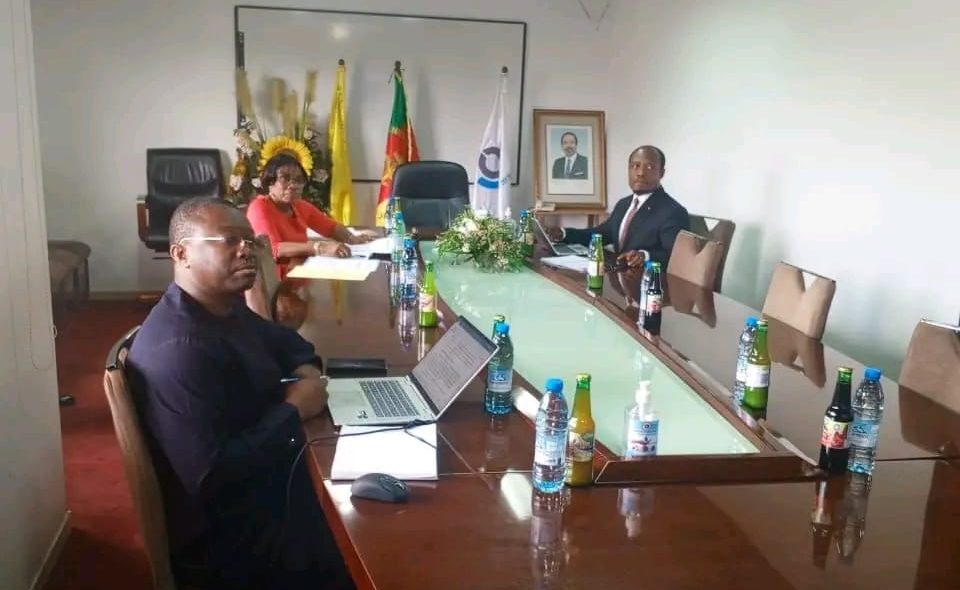
- The 71st ordinary session of the EIED-CEMAC Administrative Council convened virtually on September 24, 2026.
- Key agenda items included reviewing 2025 activities, assessing 2026 progress, and preparing the 2027 budget and activity program.
- The session aimed to strengthen customs training to address challenges posed by digitalization and the need for trade facilitation.
- Cameroon was represented by Madame BOWOMBE TABI Angele, Head of the Customs Instruction Center.
- Discussions also focused on personnel training, governance enhancement, and ensuring transparency in financial management.
Key Developments from the 71st Session
Lawyers and compliance officers should therefore closely monitor the implementation of these initiatives, as they are likely to influence import/export regulations, customs procedures, and the overall operational environment for clients engaged in trade across the CEMAC member states.
The Administrative Council of the École Inter-États des Douanes de la CEMAC (EIED-CEMAC) convened its 71st ordinary session, a significant event for regional customs administration. This virtual meeting took place on September 24, 2026, conducted entirely via videoconference. Cameroon's delegation participated from the Directorate General of Customs' meeting room, led by Madame BOWOMBE TABI Angele, who serves as the Head of the Customs Instruction Center, having been officially appointed by the Director General of Customs for this role. A central item on the agenda was the meticulous preparation of the 2027 budget and activity program, alongside comprehensive reviews of past and current operational periods.
The council's deliberations encompassed a thorough evaluation of activities and financial management practices. This included a detailed examination of the 2025 fiscal year, specifically scrutinizing the activity report, the budget execution report, and the financial control report. These reviews underscored a commitment to transparency in the utilization of resources. Furthermore, a mid-term assessment of 2026 activities was conducted, allowing administrators to gauge progress and refine priorities for the latter half of that year. The overarching goal of these discussions was to reinforce customs training, addressing the evolving demands of digitalization and the imperative for trade facilitation within the region.
Strategic Mandate and Future Direction
The EIED-CEMAC, through its Administrative Council, plays a pivotal role in shaping the future of customs administration across the CEMAC zone. The 71st session explicitly aimed to bolster customs training capabilities, a critical step in confronting contemporary challenges. These challenges primarily revolve around the increasing need for digitalization within customs operations and the broader objective of streamlining trade processes. By focusing on these areas, the institution seeks to ensure that customs personnel are equipped with the necessary skills to navigate a rapidly changing global trade environment.
Beyond budgetary and activity planning, the council's agenda also prioritized the continuous training of personnel and the enhancement of governance structures. These elements are considered fundamental to the effective functioning and strategic evolution of customs services. The emphasis on strengthening governance reflects an ongoing commitment to operational integrity and efficiency, while personnel training ensures that the human capital within CEMAC customs administrations remains competent and adaptable. The preparation for 2027, therefore, is not merely a financial exercise but a strategic blueprint for advancing regional integration through modernized customs practices.
Financial Oversight and Operational Outlook
A significant portion of the 71st session was dedicated to rigorous financial oversight, beginning with an in-depth analysis of the 2025 fiscal year. The administrators meticulously reviewed the activity report, the budget execution report, and the financial control report for 2025. This comprehensive scrutiny served as a vital mechanism to ensure accountability and transparency in how resources were managed and deployed by the École Inter-États des Douanes CEMAC. Such detailed financial assessments are crucial for maintaining public trust and ensuring the efficient allocation of funds towards its core mission.
Following the retrospective analysis, the council shifted its focus to the present and immediate future, conducting a mid-term review of 2026 activities. This assessment provided critical insights into the progress made during the first half of the year, enabling the council to make necessary adjustments and re-prioritize initiatives for the remaining months. The culmination of these reviews was the strategic planning for the Douanes CEMAC budget 2027 and its associated activity program. This forward-looking approach is essential as customs administrations within the CEMAC region face escalating demands for enhanced trade facilitation and greater operational efficiency, necessitating a well-resourced and adaptable training framework.
Broader Significance for Regional Trade
The outcomes and strategic directions set during the EIED-CEMAC 71st session hold substantial implications for trade and compliance within the CEMAC region. The explicit focus on reinforcing customs training to address CEMAC customs training digitalization and CEMAC trade facilitation initiatives signals a proactive approach to modernizing regional customs operations. For businesses and legal professionals advising on cross-border trade, these developments suggest a future landscape characterized by potentially streamlined procedures, but also new compliance requirements stemming from digital transformation. The ongoing efforts to enhance governance and personnel training underscore a commitment to more effective and transparent customs administrations.
As the CEMAC Customs School Administrative Council plans for the Douanes CEMAC budget 2027, the emphasis on adapting to increasing demands for trade facilitation highlights a regional imperative to reduce barriers and improve the flow of goods. This strategic foresight by the École Inter-États des Douanes CEMAC is crucial for fostering economic integration and competitiveness. Lawyers and compliance officers should therefore closely monitor the implementation of these initiatives, as they are likely to influence import/export regulations, customs procedures, and the overall operational environment for clients engaged in trade across the CEMAC member states.
Practical Implications
Lawyers and compliance officers advising on trade within the CEMAC region should monitor future regulatory and procedural changes, particularly those related to customs digitalization and trade facilitation, as these developments from the EIED-CEMAC could impact import/export compliance and operational efficiency for their clients.
Source
Source: Insights from regional reports
How does this affect you?
Get an AI analysis of this article grounded in your jurisdictions, practice areas, and any policy documents you've uploaded to Wansom.
Finish Reading the Full Story and the Expert Analysis.
Get the latest legal & regulatory intelligence in Cameroon
Wansom is AI and can make mistakes.