
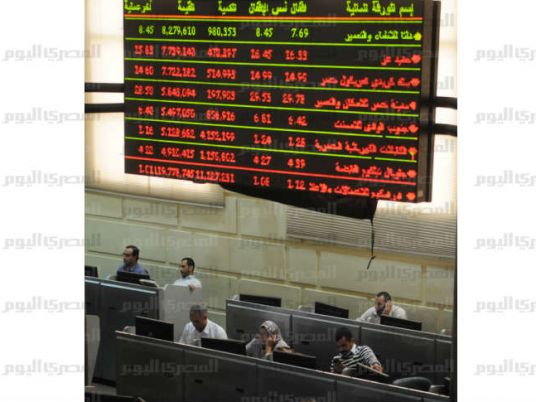
Egypt PM Madbouly: Underscores Stock Market Development Commitment
Summary
- Prime Minister Mostafa Madbouly reaffirmed the Egyptian government's commitment to developing the stock exchange's performance.
- The government also pledged to enhance the stability of the stock market and protect investors across non-banking financial sectors.
- These remarks were made during a meeting held on Monday, August 10, 2026, which focused on proposals to improve the Egyptian Exchange.
- The commitment signals a strategic push for a more robust and secure financial market environment in Egypt.
Government Reaffirms Stock Market Development Commitment
Prime Minister Mostafa Madbouly recently underscored the Egyptian government's unwavering commitment to advancing the nation's financial markets.
Prime Minister Mostafa Madbouly recently underscored the Egyptian government's unwavering commitment to advancing the nation's financial markets. This significant declaration, made during a meeting held on Monday, August 10, 2026, highlighted a multi-faceted approach aimed at bolstering the capital markets landscape. The Prime Minister's remarks specifically addressed the imperative of developing the performance of the stock exchange, a critical component of Egypt's economic infrastructure.
Beyond mere performance metrics, the government's pledge extends to enhancing the stability of the stock market, recognizing its foundational role in fostering investor confidence and economic resilience. This comprehensive commitment signals a strategic focus on creating a robust and predictable environment for both domestic and international capital. The meeting itself served as a platform for reviewing a series of proposals specifically designed to achieve an Egyptian Exchange performance improvement, indicating that the government's commitment is backed by actionable plans and ongoing evaluations.
Crucially, the Prime Minister's statement also emphasized the protection of investors across the entire spectrum of non-banking financial sectors. This broad scope highlights a holistic view of financial market integrity, acknowledging that investor trust is paramount not just in traditional stock markets but also in other vital components of the financial system. The reaffirmation of this commitment suggests a proactive stance towards regulatory oversight and the implementation of measures designed to safeguard market participants.
Strategic Vision for Capital Markets
The pronouncements from Prime Minister Mostafa Madbouly regarding capital markets signal a clear strategic direction for Egypt's financial future. The emphasis on developing the stock exchange's performance is not merely about increasing trading volumes but about fostering a deeper, more liquid, and efficient market that can effectively channel investment into productive sectors of the economy. This aligns with a broader Egypt financial market strategy to position the nation as a competitive hub for investment in the region.
Enhancing stability, a core pillar of the government's commitment, involves a multifaceted approach that could encompass regulatory reforms, improved risk management frameworks, and measures to mitigate market volatility. Such stability is crucial for attracting long-term capital and ensuring that the market can withstand external shocks. The government's focus on these areas suggests an understanding of the intricate relationship between market confidence, regulatory predictability, and sustainable economic growth.
This renewed focus on the Egyptian Exchange performance improvement is expected to translate into concrete initiatives. For legal and compliance professionals, this signals a period of potential legislative and regulatory updates, requiring close monitoring of forthcoming proposals that could impact market operations, disclosure requirements, and corporate governance standards for listed entities and financial intermediaries.
Investor Protection and Non-Banking Sector Focus
A particularly significant aspect of the government's reaffirmed commitment is its explicit mention of protecting investors across non-banking financial sectors. This broadens the scope of regulatory attention beyond the traditional stock market, encompassing areas such as insurance, leasing, factoring, and microfinance. The inclusion of these sectors under the umbrella of investor protection underscores their growing importance within the Egyptian economy and their potential to contribute to overall financial stability.
Implementing robust Egyptian investor protection measures in these diverse sectors is vital for maintaining public trust and encouraging participation. This could involve strengthening consumer protection laws, enhancing transparency requirements, and establishing more effective dispute resolution mechanisms. For institutions operating within the Egypt non-banking financial sector, this signals an increased scrutiny on compliance frameworks and ethical conduct, necessitating a review of internal policies and procedures to align with evolving regulatory expectations.
The government's proactive stance in this area aims to ensure that as these sectors grow, they do so on a foundation of fairness and accountability. Lawyers and compliance officers should anticipate potential legislative amendments or new regulatory guidelines that will shape the operational landscape for entities within these non-banking financial services, impacting everything from product offerings to client onboarding processes.
Practical Implications
Lawyers and compliance officers should closely monitor upcoming legislative and regulatory proposals in Egypt concerning the stock market and non-banking financial sectors, as the government's reaffirmed commitment signals potential reforms impacting market stability, investor protection, and compliance obligations for financial institutions and listed entities.
Source
How does this affect you?
Get an AI analysis of this article grounded in your jurisdictions, practice areas, and any policy documents you've uploaded to Wansom.
Wansom is AI and can make mistakes.