
Egypt: Sisi Decree Allocates Red Sea Land for Public Debt Sukuk
Summary
- President Abdel Fattah Al-Sisi issued a decree allocating 26,690 feddans of state-owned land in the Red Sea governorate to the finance ministry.
- The land allocation aims to reduce public debt and facilitate the issuance of sovereign sukuk.
- The decree was officially published in the Official Gazette, amending an existing article.
- Prime Minister Mostafa Madbouly is reviewing progress towards the government’s debt targets.
Key Development
This specific finance ministry land allocation Egypt represents a direct governmental action aimed at leveraging national assets to address fiscal challenges.
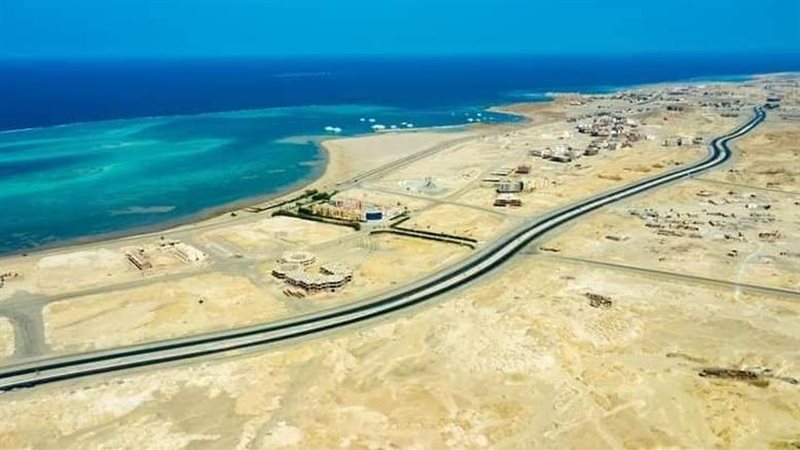
A significant presidential directive has been issued in Egypt, earmarking a substantial tract of state-owned territory within the Red Sea governorate. This **Sisi decree Red Sea land** allocation involves approximately 26,690 feddans, which have been transferred to the finance ministry's purview. The primary objectives behind this strategic move are twofold: to facilitate the reduction of the nation's public debt and to enable the issuance of sovereign sukuk.
This specific **finance ministry land allocation Egypt** represents a direct governmental action aimed at leveraging national assets to address fiscal challenges. The land, situated in a geographically important region, is now under the control of the finance ministry, providing a tangible asset base for future financial instruments. This approach underscores a proactive strategy to manage the country's financial obligations through innovative means.
Regulatory Framework
The presidential decree formalizing this land transfer was officially published, making it public record. Its appearance in the **Official Gazette land decree Egypt** signifies its legal enactment and immediate effect. The decree specifically details the allocation of the 26,690 feddans to the finance ministry, outlining the legal basis for this transfer of state-owned property.
Furthermore, the published decree indicates that it amends an existing article, though the specific details of the amendment beyond the land allocation itself are not elaborated in the source. This legal step ensures that the transfer of land ownership and its subsequent use for financial purposes, such as backing sovereign sukuk, is firmly rooted in the country's legal framework, providing clarity and authority for the finance ministry's actions.
Economic Implications
The allocation of this vast **Egypt Red Sea land public debt sukuk** initiative is poised to play a crucial role in Egypt's economic strategy. By dedicating state-owned land to the finance ministry, the government gains a valuable asset that can be utilized to back the issuance of sovereign sukuk. These Islamic financial instruments offer an alternative method for the government to raise capital, attracting a broader range of investors, including those seeking Sharia-compliant investments.
The proceeds generated from such **Egyptian sovereign sukuk issuance** are intended to directly contribute to the reduction of the nation's public debt. This mechanism allows the government to monetize a non-liquid asset (land) into a financial instrument, thereby improving its debt profile and potentially lowering borrowing costs in the long run. The strategic use of land for financial purposes highlights a creative approach to national debt management.
Broader Context
This land allocation occurs against a backdrop of ongoing efforts by the Egyptian government to manage its national debt. Prime Minister Mostafa Madbouly has been actively engaged in reviewing the progress made towards the government's established debt targets. This continuous oversight by the Prime Minister indicates a concerted national focus on fiscal responsibility and sustainability.
The **Madbouly 2030 debt target review** underscores the long-term vision and commitment to achieving specific financial benchmarks. The presidential decree, by providing a tangible asset for debt reduction and sukuk issuance, aligns directly with these broader governmental objectives, demonstrating a coordinated approach to economic governance and the strategic utilization of national resources to bolster financial stability.
Practical Implications
Lawyers advising on Egyptian real estate, sovereign finance, or investment should note this decree as it signals new opportunities for sukuk-backed investments and potential changes in land use or ownership in the Red Sea governorate, requiring updated due diligence for affected projects or assets.
Source
How does this affect you?
Get an AI analysis of this article grounded in your jurisdictions, practice areas, and any policy documents you've uploaded to Wansom.
Finish Reading the Full Story and the Expert Analysis.
Get the latest legal & regulatory intelligence in Egypt
Wansom is AI and can make mistakes.