
Egypt's Coastal Committee Approves 42 Project Permit Requests
The Higher Committee for Coastal Licensing in Egypt has approved 42 out of 44 projects and permit requests for activities along the nation’s coastline, encompassing port, power, and petroleum projects, while deferring one application and rejecting another.
This decision carries significant legal and economic implications for businesses and practitioners involved in large-scale development projects in Egypt. The high approval rate signals the government's commitment to facilitating strategic infrastructure and industrial growth along its vital coastal areas, offering a clear pathway for project implementation. However, the deferral and outright rejection of two applications underscore the rigorous regulatory scrutiny applied by the committee, highlighting the critical importance of meticulous application preparation and strict adherence to environmental and land-use conditions. For developers, this means that while opportunities abound, the bar for compliance remains high.
Legally, the approval process for coastal projects in Egypt is governed by a complex interplay of environmental, land-use, and sectoral laws. Key legislation includes the Environmental Law No. 4 of 1994 and its executive regulations, which mandate comprehensive Environmental Impact Assessments (EIAs) for development projects. Additionally, laws pertaining to urban planning, maritime affairs, and specific sectors such as petroleum (e.g., Petroleum Law No. 66 of 1953 and its amendments) and energy would apply. The Higher Committee for Coastal Licensing likely operates under specific ministerial decrees or laws that grant it the authority to coordinate and approve permits across various governmental bodies, ensuring a unified approach to coastal development. The rejection of an application for failing to meet required conditions demonstrates the committee's enforcement powers and the necessity of full compliance.
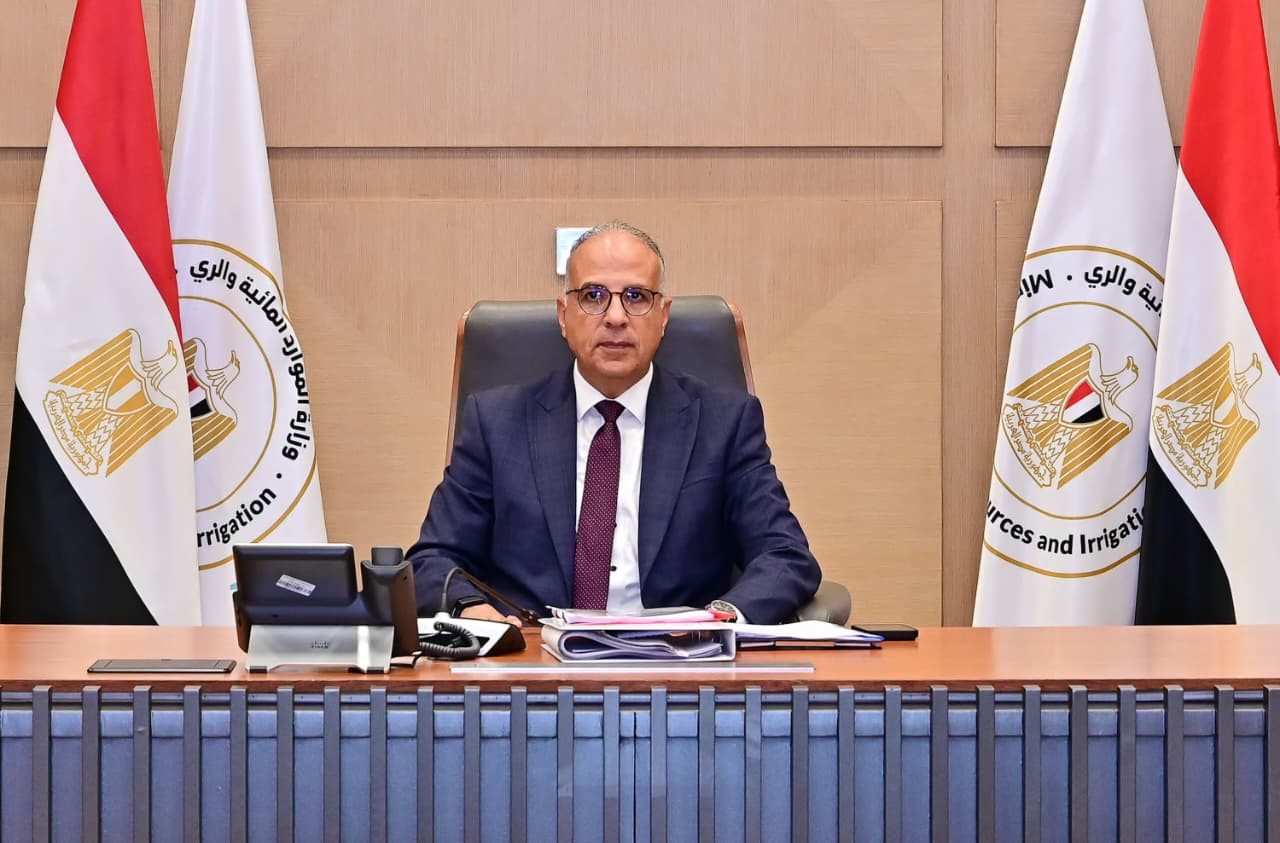
Key parties involved in this decision include the Higher Committee for Coastal Licensing, chaired by Water Resources and Irrigation Minister Hani Sewilam, with Housing Minister Assem El-Gazzar also serving as a member. While not explicitly named, various government ministries and agencies, such as the Ministry of Environment, Ministry of Transport, and the General Authority for Investment and Free Zones (GAFI), would have contributed to the review process. The specific entities whose projects were approved, deferred, or rejected are not reported in the excerpt.
Practitioners advising clients on coastal development, infrastructure, or industrial projects in Egypt must emphasize the critical need for thorough due diligence, comprehensive environmental impact assessments, and meticulous preparation of permit applications. Businesses should understand the specific criteria and conditions enforced by the Higher Committee for Coastal Licensing and other relevant ministries to avoid deferrals or rejections. Proactive engagement with regulatory bodies and ensuring full compliance with all applicable environmental, land-use, and sectoral laws are paramount for successful project execution in Egypt's coastal zones.
How does this affect you?
Get an AI analysis of this article grounded in your jurisdictions, practice areas, and any policy documents you've uploaded to Wansom.
Finish Reading the Full Story and the Expert Analysis.
Get the latest legal & regulatory intelligence in Egypt
Wansom is AI and can make mistakes.