
Al-Sisi Egypt: Directs Comprehensive Real Estate Contract Review
Summary
- President Abdel Fattah Al-Sisi recently issued domestic directives aimed at enhancing living conditions in Egypt.
- These directives call for immediate actions across four key areas: real estate accountability, electricity billing, market controls, and traffic discipline.
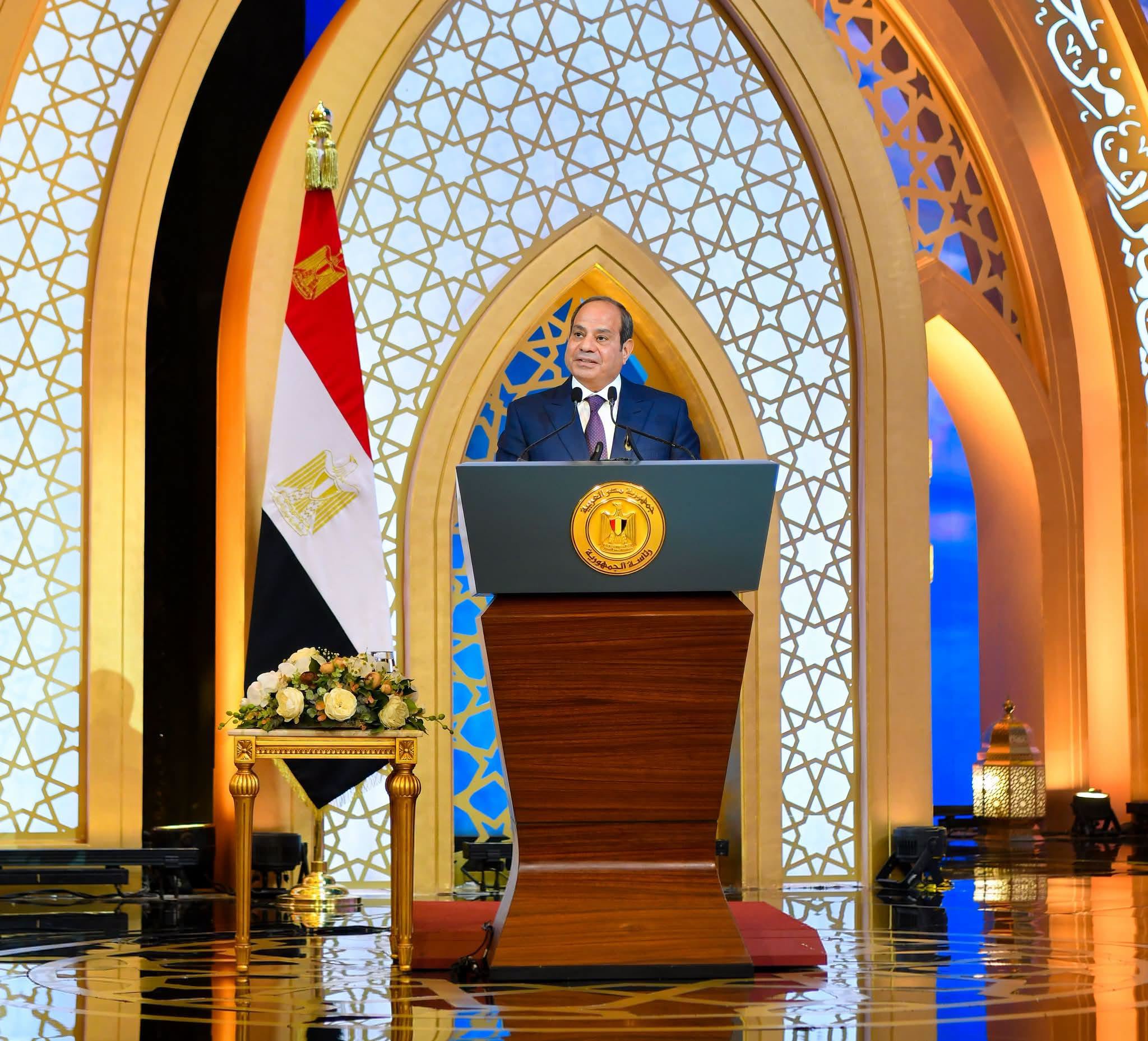
- The orders were announced during a speech delivered on Monday at the Strategic Command headquarters in the New Administrative Capital.
- The presidential address took place during a ceremony commemorating the Prophet Muhammad’s birthday.
Presidential Directives Issued
The broad scope of these directives, touching upon economic stability, consumer protection, and urban management, underscores a strategic governmental push to streamline and optimize key public services and commercial activities.
President Abdel Fattah Al-Sisi recently announced a series of far-reaching domestic directives, signaling a concerted effort to enhance the quality of life for Egyptian citizens. These mandates, delivered during a significant public address, underscore the government's focus on internal reforms and immediate improvements across several critical sectors. The pronouncements were made with an emphasis on prompt implementation, indicating a push for rapid governmental action.
The presidential orders specifically target four key areas: ensuring accountability within the real estate sector, reforming electricity billing practices, strengthening market controls, and improving traffic discipline. These diverse directives collectively aim to address common grievances and systemic inefficiencies that directly impact daily living conditions throughout Egypt. The breadth of these instructions suggests a comprehensive approach to domestic policy.
The announcement itself took place on a notable occasion, during a ceremony commemorating the Prophet Muhammad’s birthday. President Al-Sisi delivered his speech from the Strategic Command headquarters, situated within the nation's New Administrative Capital, lending a formal and authoritative weight to his pronouncements. This setting further highlighted the importance and seriousness with which these directives are being introduced.
Key Policy Areas and Regulatory Focus
A central component of President Al-Sisi's recent pronouncements involves a significant focus on the real estate sector. The directive for "real estate accountability" implies a forthcoming period of scrutiny and potential reform concerning property development, transactions, and ownership. This could lead to a comprehensive Al-Sisi Egypt real estate contract review process, aiming to ensure transparency, fairness, and adherence to established regulations. Such an initiative is likely to impact developers, buyers, and existing property agreements, potentially necessitating adjustments to current practices to align with new standards of oversight.
Concurrently, the President issued specific Egyptian electricity billing directives, signaling an intent to overhaul or refine the current system. This move is designed to address issues related to accuracy, fairness, and consumer understanding of utility charges. The emphasis on immediate action suggests that the government is keen to resolve long-standing concerns regarding electricity costs and consumption, potentially leading to revised billing methodologies or enhanced dispute resolution mechanisms for consumers.
Beyond these specific sectors, President Al-Sisi also mandated immediate actions regarding "market controls" and "traffic discipline." The directive on Egypt market controls order indicates a governmental push to regulate pricing, supply chains, and consumer protection more effectively, aiming to stabilize essential goods and services. Similarly, the focus on traffic discipline points towards efforts to improve urban mobility and safety, possibly through stricter enforcement or new regulatory frameworks. These Al-Sisi domestic economic directives Egypt collectively aim to create a more orderly and predictable environment for citizens and businesses alike.
Broader Implications for Egypt
These sweeping directives from President Sisi real estate changes and other sectors carry substantial implications for both the general populace and various industries operating within Egypt. For citizens, the promise of improved living conditions through enhanced real estate accountability, fairer electricity billing, and better market controls directly addresses everyday challenges. The emphasis on immediate action suggests a commitment to tangible improvements that could foster greater public trust and satisfaction.
From a regulatory and business perspective, the presidential mandates signal a period of heightened scrutiny and potential adjustment. Entities involved in real estate, particularly those with existing contracts, should anticipate a thorough Egypt real estate accountability directives review. Similarly, energy providers will need to prepare for potential changes stemming from the Egyptian electricity billing directives. These shifts could necessitate internal policy revisions, compliance updates, and potentially renegotiations of existing agreements to align with the government's new priorities.
The broad scope of these directives, touching upon economic stability, consumer protection, and urban management, underscores a strategic governmental push to streamline and optimize key public services and commercial activities. While the specifics of the implementation remain to be fully detailed, the clear presidential mandate sets a firm direction for immediate action and reform across these vital sectors, aiming to create a more efficient and equitable domestic environment.
Practical Implications
Lawyers advising clients in Egyptian real estate or energy sectors should monitor upcoming regulatory changes and potential contract renegotiations stemming from these presidential directives, particularly regarding accountability and billing practices. This could impact existing agreements and future transactional due diligence.
Source
How does this affect you?
Get an AI analysis of this article grounded in your jurisdictions, practice areas, and any policy documents you've uploaded to Wansom.
Wansom is AI and can make mistakes.