
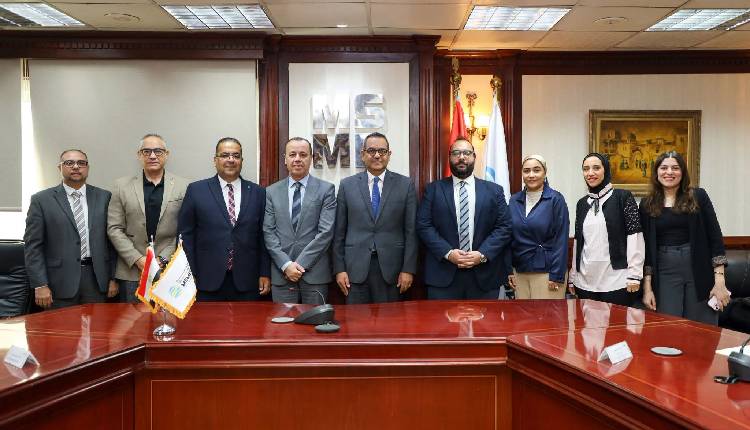
Egypt MSMEDA KfW Microenterprise Funding: €30M Agreement Signed
Summary
- Egypt's Micro, Small and Medium Enterprise Development Agency (MSMEDA) has secured a €30 million financing agreement with the German Development Bank (KfW).
- This funding is provided under the framework of the Private Sector and Innovation Support project.
- The primary goal of the initiative is to expand financing opportunities and support the growth of microenterprises in Egypt.
A New Funding Initiative for Egyptian Microenterprises
The primary objective of this substantial Egypt MSMEDA KfW microenterprise funding is to broaden the availability of financial resources for microenterprises across the nation.
The Micro, Small and Medium Enterprise Development Agency (MSMEDA) in Egypt has formalized a significant financial partnership with the German Development Bank (KfW), securing a €30 million financing agreement. This crucial accord falls under the umbrella of the broader Private Sector and Innovation Support project, signaling a concerted effort to bolster economic activity at the grassroots level. The primary objective of this substantial Egypt MSMEDA KfW microenterprise funding is to broaden the availability of financial resources for microenterprises across the nation.
This strategic collaboration underscores a commitment to fostering the expansion and sustainability of small-scale businesses, which are vital contributors to the Egyptian economy. By injecting capital specifically earmarked for microenterprises, the initiative aims to address common challenges faced by these entities, such as limited access to credit and growth capital. The MSMEDA KfW financing agreement is designed to create a more robust financial ecosystem, enabling these businesses to scale operations, innovate, and ultimately contribute more significantly to job creation and economic stability.
Bolstering Egypt's Economic Backbone
Microenterprises form a fundamental component of Egypt's economic framework, often serving as crucial engines for employment generation and income distribution, particularly in underserved communities. These small-scale ventures, ranging from individual artisans to small family businesses, frequently operate with limited capital and face significant hurdles in accessing conventional banking services. Recognizing their collective impact, the Egyptian government, through agencies like MSMEDA, has prioritized initiatives that cultivate an environment conducive to their prosperity.
The newly established Egyptian microenterprise development funding mechanism, facilitated by the MSMEDA KfW financing agreement, is poised to directly address these systemic challenges. By channeling dedicated financial support, the program seeks to empower a segment of the economy that, despite its size, holds immense potential for driving inclusive growth. This targeted investment is not merely about providing loans; it represents a strategic effort to integrate more businesses into the formal economy, enhance productivity, and foster innovation within the microenterprise sector, aligning with broader national development objectives.
The Role of International Development Partnerships
The German Development Bank, KfW, plays a pivotal role in global development cooperation, extending financial and technical assistance to developing countries and emerging economies worldwide. Its involvement in the Private Sector and Innovation Support project Egypt highlights a shared vision between Germany and Egypt to stimulate economic growth and foster a dynamic private sector. Such international partnerships are instrumental in mobilizing capital and expertise that might otherwise be unavailable to local institutions.
This specific Egypt MSMEDA KfW microenterprise funding initiative exemplifies how bilateral cooperation can translate into tangible benefits for local economies. KfW's commitment through the €30 million agreement reinforces the strategic importance placed on private sector development as a cornerstone for sustainable economic progress. The collaboration ensures that best practices in financial inclusion and enterprise support can be integrated, enhancing the effectiveness and reach of the funding beyond just the monetary value, contributing to a more resilient and innovative business environment in Egypt.
Practical Implications
Lawyers advising financial institutions should monitor the implementation of this funding and potential new lending programs, while those representing microenterprises can inform clients about expanded financing opportunities in Egypt.
Source
How does this affect you?
Get an AI analysis of this article grounded in your jurisdictions, practice areas, and any policy documents you've uploaded to Wansom.
Wansom is AI and can make mistakes.