
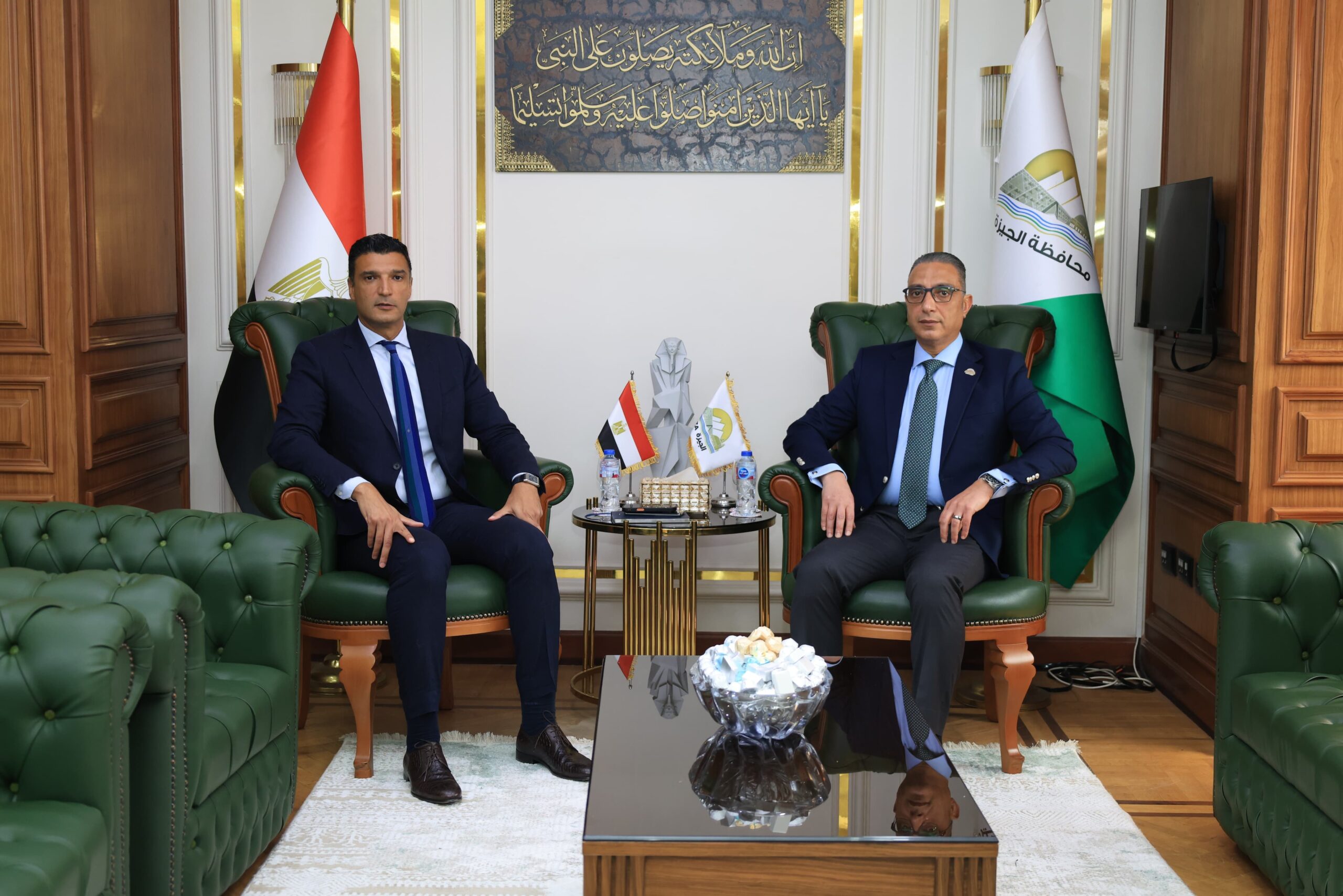
Egypt Officials: Jerza, Arab Abu Saed Regularization Progress Reviewed
Summary
- Industry Minister Khaled Hashem and Giza Governor Ahmed El-Ansary met to review regularization efforts in two industrial zones.
- The meeting focused on investor status, work files, detailed plans, land-use, and usufruct in the Jerza Industrial Zone (Al-Ayyat) and Arab Abu Saed Industrial Zone (Al-Saff).
- This initiative aims to formalize and streamline operations for businesses within these key Giza industrial areas.
Recent Regulatory Focus
A successful regularization process can lead to enhanced legal security, clearer property rights, and a more predictable regulatory landscape.
A high-level meeting recently took place in Egypt, bringing together Industry Minister Khaled Hashem and Giza Governor Ahmed El-Ansary. The primary agenda for this significant gathering was a comprehensive review of ongoing work files and the critical process of regularizing investor status within two key industrial areas: the Jerza Industrial Zone, situated in Al-Ayyat, and the Arab Abu Saed Industrial Zone, located in Al-Saff. This initiative underscores a concerted effort by Egyptian authorities to streamline and formalize operations in these vital economic hubs.
Discussions during the meeting delved into several crucial aspects of the Egypt Jerza Arab Abu Saed regularization efforts. Key topics included the current status of regularization files, which are essential for formalizing the legal standing of businesses and land use. Furthermore, officials examined detailed development plans specifically tailored for both the Jerza and Arab Abu Saed industrial zones, indicating a forward-looking approach to their growth and infrastructure.
The dialogue also encompassed detailed considerations of land-use policies and usufruct arrangements within these Giza industrial zones. These elements are fundamental to ensuring efficient resource allocation and providing clear legal frameworks for businesses operating or planning to invest in these areas. The involvement of Minister Khaled Hashem highlights the national importance placed on these industrial zones and their contribution to broader Egypt industrial zone development.
Understanding the Regularization Process
The regularization of investor status, as discussed by Minister Hashem and Governor El-Ansary, refers to the formal process of validating and documenting the legal standing of businesses and their land rights within designated industrial zones. This often involves reviewing existing permits, land titles, and operational licenses to ensure compliance with current regulations and to provide legal certainty for investors. For the Jerza Industrial Zone investor status and Arab Abu Saed land use regularization, this means clarifying and solidifying the rights and obligations of enterprises operating there.
Such an Egyptian regularization process is vital for fostering a stable investment climate. It addresses potential ambiguities in land ownership or usage rights, which can arise over time due to evolving regulations or historical arrangements. By formalizing these aspects, the government aims to enhance transparency and reduce risks for both domestic and international investors, thereby encouraging further economic activity and expansion within the industrial sector.
The focus on land-use and usufruct arrangements is particularly significant. Usufruct, a legal right to use and derive profit or benefit from property belonging to another, is a common mechanism in Egyptian industrial zones. Regularizing these agreements ensures that the terms of use are clear, legally binding, and aligned with the strategic development goals for areas like the Giza industrial zones. This clarity is crucial for long-term planning and investment security.
Strategic Importance and Future Outlook
The joint review by the Industry Minister and Giza Governor signals a strategic commitment to optimizing the functionality and attractiveness of the Jerza and Arab Abu Saed industrial zones. By addressing the status of regularization files and detailed plans, the authorities are laying the groundwork for more structured growth and improved operational environments for businesses. This proactive approach to Egypt industrial zone development is expected to yield benefits in terms of increased investment and job creation.
For businesses and investors with operations or land interests in these specific zones, the ongoing regularization efforts carry significant weight. A successful regularization process can lead to enhanced legal security, clearer property rights, and a more predictable regulatory landscape. This formalization of Jerza Industrial Zone investor status and Arab Abu Saed land use regularization is a key step towards unlocking the full economic potential of these areas.
The comprehensive nature of the discussions, encompassing detailed plans, land-use, and usufruct, indicates a holistic approach to industrial zone management. This attention to detail, spearheaded by figures like Khaled Hashem, is instrumental in ensuring that the Giza industrial zones can effectively contribute to Egypt's broader economic objectives, providing a stable and well-regulated environment for industrial activity.
Practical Implications
Lawyers advising clients with operations or land interests in Egypt's Jerza or Arab Abu Saed industrial zones should monitor these regularization efforts closely. This review could lead to new compliance requirements, updated land-use regulations, or opportunities to formalize investor status, necessitating proactive legal guidance for affected businesses.
Source
How does this affect you?
Get an AI analysis of this article grounded in your jurisdictions, practice areas, and any policy documents you've uploaded to Wansom.
Finish Reading the Full Story and the Expert Analysis.
Wansom is AI and can make mistakes.