
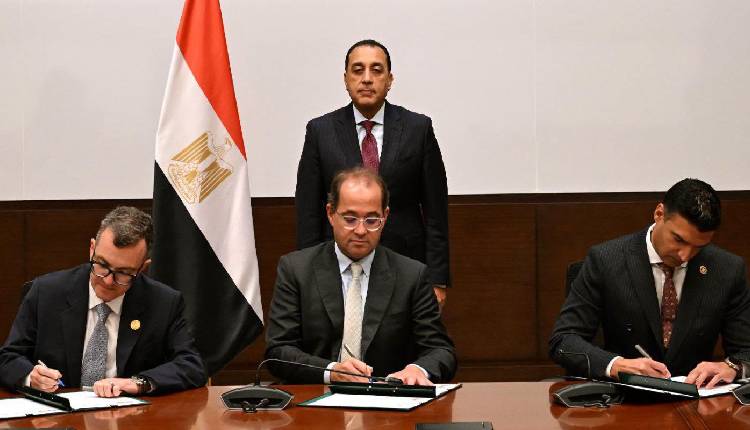
Egypt: IMPA NIB Debt Settlement Formalizes EGP 102.75bn
Summary
- Egypt recently signed a tripartite framework agreement to settle a historical debt.
- The agreement addresses EGP 102.75 billion owed by the Industrial and Mining Projects Authority (IMPA).
- The debt was owed to the National Investment Bank (NIB).
- This settlement involves two key state-owned entities in Egypt.
What Happened
This substantial resolution of Industrial and Mining Projects Authority debt to the National Investment Bank signals a proactive stance by the Egyptian government in managing its public sector liabilities.
Egypt recently formalized a significant financial arrangement aimed at resolving a substantial historical debt. On Wednesday, a tripartite framework agreement was officially signed to address the EGP 102.75 billion owed by the Industrial and Mining Projects Authority (IMPA) to the National Investment Bank (NIB). This Egypt IMPA NIB debt settlement represents a concerted effort to reconcile long-standing financial obligations between key state-owned entities within the nation's economic framework. The agreement outlines the terms for settling this considerable sum, marking a crucial step in clarifying financial relationships among government-affiliated bodies.
The settlement specifically targets the historical debt accumulated by IMPA, an entity involved in industrial and mining projects, to the National Investment Bank, a prominent state-owned financial institution. The involvement of a tripartite agreement suggests a broader strategic approach, likely including a third party or a comprehensive plan involving multiple governmental stakeholders to facilitate the resolution of this significant liability. This move underscores a deliberate strategy to streamline the financial health of state-owned enterprises and improve overall public sector accountability.
Legal and Regulatory Context
This substantial EGP 102.75bn public debt settlement highlights the Egyptian government's ongoing efforts to address liabilities within its state-owned enterprise sector. Both the Industrial and Mining Projects Authority and the National Investment Bank operate under state purview, making this an internal restructuring of public finances rather than a transaction with private entities. The resolution of such a large sum of Egypt state-owned enterprise debt through a formal tripartite debt agreement Egypt indicates a structured approach to managing the financial interdependencies that often characterize economies with significant state involvement. The settlement effectively addresses a significant portion of the National Investment Bank Egypt debt portfolio related to state entities.
The National Investment Bank, as a key financial arm of the state, plays a critical role in funding various national projects and holding public sector debt. The Industrial and Mining Projects Authority debt, therefore, represents a liability within the broader public balance sheet. By formalizing this settlement, the government is not only clearing a specific debt but also setting a precedent for how historical financial obligations between state entities are to be systematically resolved. This proactive management of public sector liabilities is crucial for maintaining transparency and efficiency in the allocation of national resources.
Why It Matters
The EGP 102.75 billion Egypt IMPA NIB debt settlement carries significant implications for the nation's economic landscape and its approach to public finance. This substantial resolution of Industrial and Mining Projects Authority debt to the National Investment Bank signals a proactive stance by the Egyptian government in managing its public sector liabilities. Such a large-scale settlement can contribute to enhanced financial stability by clarifying the balance sheets of key state-owned enterprises and reducing potential systemic risks associated with inter-entity debt.
For legal professionals and investors, this development underscores the government's commitment to addressing long-standing financial issues within its state-owned sector. It suggests a potential for improved governance and financial discipline among state-backed entities, which could, in turn, influence the risk profiles of future state-backed projects or investments involving Egyptian state-owned enterprises. Monitoring similar government initiatives will be crucial for understanding the evolving landscape of public procurement and the overall financial health of Egypt's public sector. The strategic importance of such a large-scale internal debt resolution cannot be overstated, as it reflects a broader policy objective to strengthen the economic foundations of the country.
Practical Implications
This significant debt settlement between state entities in Egypt indicates a proactive approach to managing public sector liabilities. Lawyers should monitor similar government initiatives for potential impacts on financial stability, public procurement, and the risk profiles of state-backed projects or investments involving Egyptian state-owned enterprises.
Source
How does this affect you?
Get an AI analysis of this article grounded in your jurisdictions, practice areas, and any policy documents you've uploaded to Wansom.
Finish Reading the Full Story and the Expert Analysis.
Get the latest legal & regulatory intelligence in Egypt
Wansom is AI and can make mistakes.