
Egypt Government: AI Skills Strategy Advances with Capacity Building Initiative
Summary
- The fourth edition of Egypt's Universities Capacity Building in Artificial Intelligence Initiative concluded on Tuesday, August 4, 2026.
- The Ministry of Communications and Information Technology and the Ministry of Higher Education and Scientific Research jointly led the program.
- The initiative aims to equip students with AI skills tailored to labor market demands.
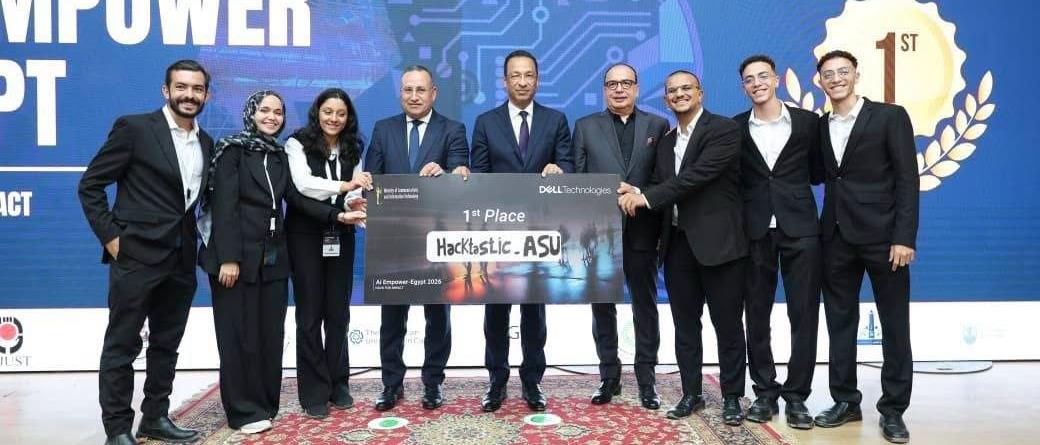
- A closing ceremony in Giza honored innovation hackathon winners.
- This program highlights the Egyptian government's ongoing efforts to develop AI competencies among its youth.
What Happened
The Universities Capacity Building in Artificial Intelligence Initiative stands as a clear demonstration of the Egypt government AI skills strategy.
On Tuesday, August 4, 2026, the Egyptian government marked a significant milestone in its national digital transformation efforts with the conclusion of the fourth iteration of the Universities Capacity Building in Artificial Intelligence Initiative. This program, a collaborative endeavor between the Ministry of Communications and Information Technology (MCIT) and the Ministry of Higher Education and Scientific Research, culminated in a closing ceremony held in Giza.
The event served to highlight the progress made in fostering AI competencies among the nation's student population. A key component of the initiative's conclusion was the recognition and honoring of innovation hackathon winners, underscoring the practical application and competitive spirit encouraged by the program. This ceremony not only celebrated achievements but also reinforced the strategic direction Egypt is taking in developing its future workforce.
Policy and Strategic Context
The Universities Capacity Building in Artificial Intelligence Initiative stands as a clear demonstration of the Egypt government AI skills strategy. Its core objective is to equip students across the country with essential artificial intelligence capabilities, directly addressing the evolving demands of the modern labor market. By focusing on skill alignment, the government aims to bridge the gap between academic training and industry requirements, ensuring graduates are prepared for high-demand roles in the digital economy.
This concerted effort by both the Ministry of Communications and Information Technology and the Ministry of Higher Education and Scientific Research reflects a broader national commitment. The initiative is a tangible representation of the government's proactive stance in cultivating a skilled workforce capable of driving innovation and economic growth through advanced technological proficiency. The consistent execution, now in its fourth edition, signifies a sustained and integrated approach to human capital development in the critical field of AI.
Why It Matters
The successful conclusion of this initiative is crucial for Egypt's long-term economic and technological aspirations. By systematically building AI capacity within its university system, the government is laying foundational groundwork for a future-ready workforce. This strategic investment in education ensures that the next generation of professionals possesses the expertise necessary to contribute to and lead in an increasingly AI-driven global landscape.
Furthermore, the emphasis on aligning these newly acquired AI skills with specific labor market needs is vital for maximizing the impact of educational investments. It helps to prevent skill mismatches and ensures that graduates are immediately valuable to industries seeking AI talent. This targeted approach is a cornerstone of Egypt's broader strategy to enhance its competitive edge and foster a robust, innovation-led economy.
Source
How does this affect your business?
Get an AI analysis of this article grounded in your jurisdictions, practice areas, and any policy documents you've uploaded to Wansom.
Wansom is AI and can make mistakes.