
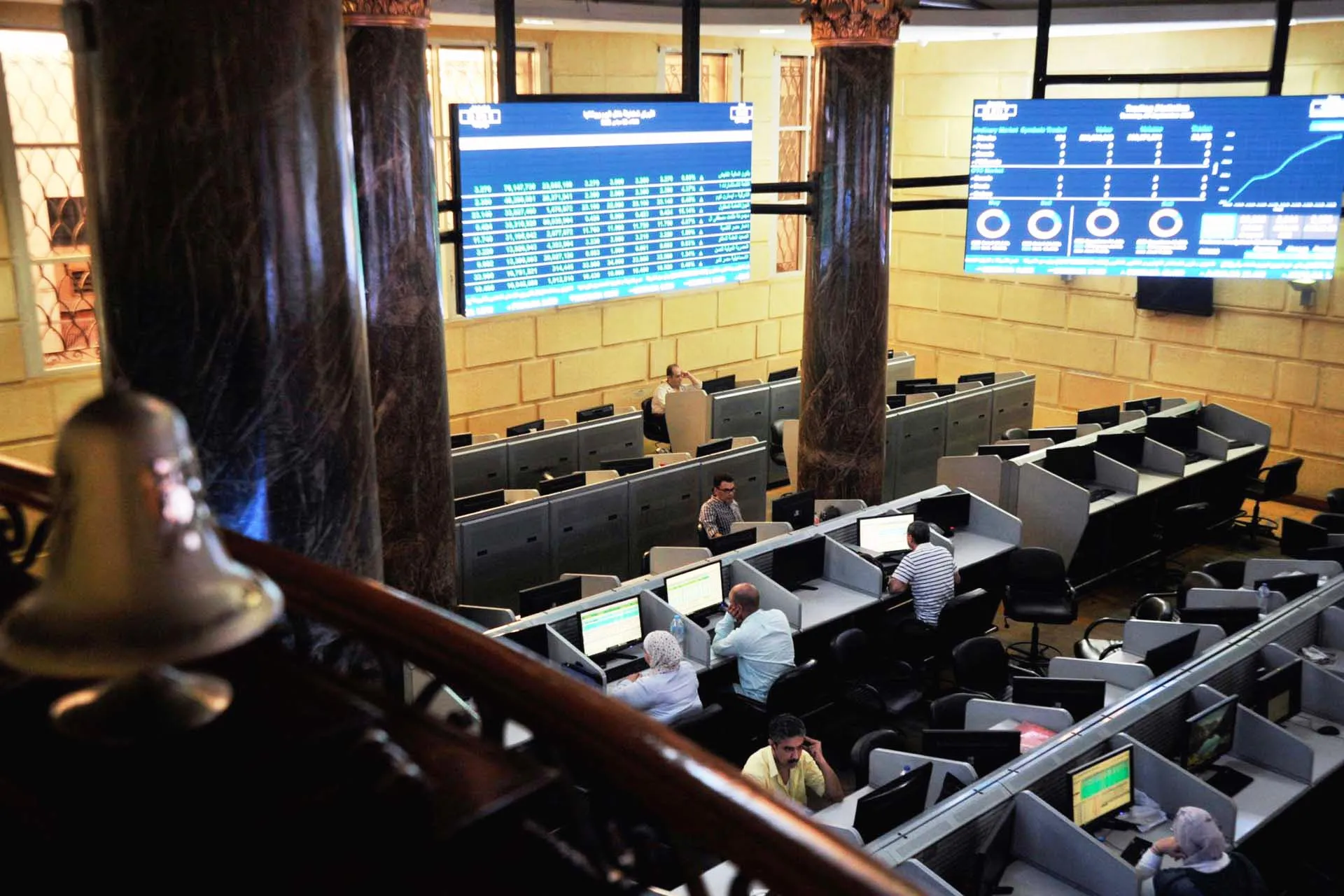
Egypt FRA: Unveils New Short Selling Regulations for EGX
Summary
- Egypt's Financial Regulatory Authority (FRA) has issued a comprehensive regulatory framework for short selling.
- FRA Chairman Dr. Islam Azzam introduced the framework via Resolution No. 155 of 2026.
- This framework paves the way for the imminent activation of short selling on the Egyptian Exchange (EGX) for the first time.
- The resolution followed extensive discussions with the EGX and Misr for Central Clearing, Depository, and Registry (MCDR).
What Happened
For the first time in its history, the Egyptian Exchange is poised to activate short selling, offering market participants a new tool for investment and risk management.
Egypt’s Financial Regulatory Authority (FRA) has officially unveiled a comprehensive regulatory framework designed to govern short selling activities within the nation's capital markets. This significant development, spearheaded by FRA Chairman Dr. Islam Azzam, marks a pivotal moment for the Egyptian Exchange (EGX), as it establishes the foundational rules for a trading mechanism previously unavailable. The framework, formally introduced through Resolution No. 155 of 2026, is the culmination of extensive collaborative efforts.
The issuance of these new Egypt FRA short selling regulations follows a period of detailed consultations and discussions involving key stakeholders in the Egyptian financial ecosystem. Notably, the Egyptian Exchange itself, alongside Misr for Central Clearing, Depository, and Registry (MCDR), played an integral role in shaping the provisions of the resolution. This collaborative approach underscores the intent to create a robust and operationally sound environment for the introduction of short selling, ensuring that both regulatory oversight and market infrastructure are adequately prepared for its implementation.
Legal Context and Market Innovation
The introduction of an EGX short selling regulatory framework represents a substantial evolution in Egypt's capital market landscape. For the first time in its history, the Egyptian Exchange is poised to activate short selling, offering market participants a new tool for investment and risk management. This move is not merely an addition of a trading instrument but signifies a deeper commitment to modernizing the market and aligning it with international best practices. A comprehensive framework, as issued by the Financial Regulatory Authority Egypt, is crucial for ensuring market integrity and investor confidence in such a novel mechanism.
Resolution No. 155 of 2026 is expected to detail the specific rules governing various aspects of short selling, including eligible securities, margin requirements, disclosure obligations, and mechanisms for borrowing and lending securities. Such detailed Egyptian Exchange short selling rules are essential to prevent market manipulation, manage systemic risks, and provide clarity to all participants. The "imminent activation" suggests that the market infrastructure, including the systems managed by Misr for Central Clearing, must be fully prepared to handle the operational complexities associated with short selling, from trade execution to settlement and collateral management.
Why It Matters for Market Participants
The imminent launch of short selling under the new Financial Regulatory Authority Egypt short selling framework carries significant implications for a broad spectrum of market participants. Investors will gain the ability to profit from anticipated declines in security prices, hedge existing long positions, and potentially enhance portfolio returns through more sophisticated strategies. This expansion of trading opportunities is likely to attract new capital and increase liquidity on the EGX, fostering more efficient price discovery. However, it also introduces new risks that require careful management and a thorough understanding of the regulatory landscape.
For legal professionals advising clients on Egyptian capital markets or investment strategies, a deep familiarity with these new Egypt FRA short selling regulations is paramount. Lawyers must be prepared to guide clients on permissible trading activities, ensure compliance with disclosure requirements, and navigate any potential legal challenges arising from short selling operations. Similarly, compliance officers at financial institutions operating on the EGX face the immediate task of updating internal policies, procedures, and risk management frameworks to reflect the intricacies of Resolution No. 155 of 2026. This proactive approach is critical to mitigate regulatory risks and ensure seamless integration of short selling into existing operational structures. The collaborative development of the framework, involving entities like Misr for Central Clearing, underscores the integrated nature of these changes across the market's operational and regulatory layers.
Practical Implications
Lawyers advising clients on Egyptian capital markets or investment strategies must familiarize themselves with the new FRA regulatory framework for short selling to ensure compliance and advise on permissible trading activities. Compliance officers at financial institutions operating on the EGX need to update internal policies and procedures to reflect these new short selling rules.
Source
How does this affect you?
Get an AI analysis of this article grounded in your jurisdictions, practice areas, and any policy documents you've uploaded to Wansom.
Wansom is AI and can make mistakes.