
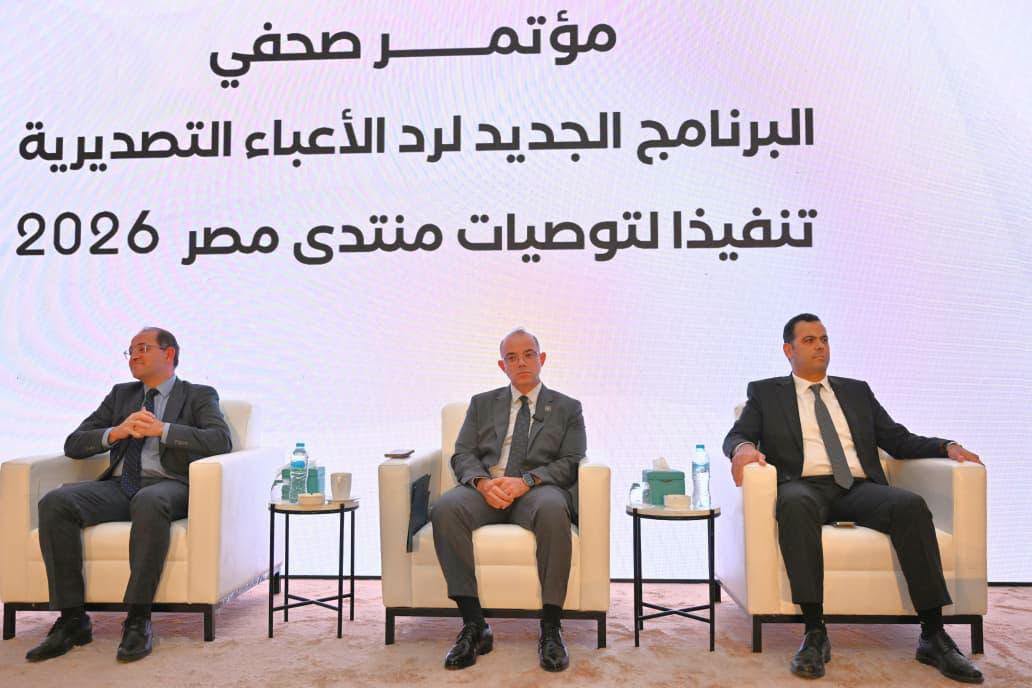
Egypt: Export Rebate Program Changes Boost Subsidies by 35%
Summary
- Egypt recently revamped its export rebate program on Sunday.
- The updated program increases average baseline support for inland factories by 35%.
- It introduces first-ever subsidies for domestic transport costs.
- Additionally, the program includes first-ever subsidies for cargo insurance.
- These changes are designed to boost Egypt's foreign currency earnings.
Egypt Unveils Enhanced Export Rebate Program
The overarching goal driving these extensive Egypt export support increase measures is the strategic imperative to significantly boost the nation's foreign currency earnings.
On Sunday, the Egyptian government announced a significant overhaul of its export rebate program, introducing a series of measures designed to invigorate the nation's export sector. This revamped framework represents a strategic move by Cairo to bolster its foreign currency earnings through increased international trade. The changes are comprehensive, touching upon various aspects of export support to make Egyptian products more competitive globally.
A central feature of these Egypt export rebate program changes is a substantial increase in the average baseline support allocated to inland factories. This foundational incentive has been raised by 35%, providing a more robust financial backing for manufacturing operations situated away from coastal areas. This adjustment is poised to significantly reduce operational costs for a key segment of the country's industrial base, encouraging greater export activity from these regions.
Introducing Novel Subsidies for Logistics and Insurance
Beyond the general uplift in baseline support, the updated program introduces entirely new categories of Egyptian export subsidies, marking a first for the nation's trade policies. For the first time ever, the government will provide financial assistance specifically targeting domestic transport costs for exported goods. This innovative subsidy aims to mitigate the logistical challenges and expenses faced by exporters, particularly those located in the interior, by streamlining the movement of products to international shipping points.
Complementing the transport support, the new framework also incorporates first-ever subsidies for cargo insurance. This critical addition addresses the inherent risks associated with international shipping, offering exporters a layer of financial protection against potential damage or loss of goods during transit. The introduction of these Egypt transport insurance subsidies demonstrates a holistic approach to supporting the entire export supply chain, from the factory gate to the final destination, thereby enhancing the overall attractiveness and security of Egyptian exports.
Strategic Imperative: Boosting Foreign Currency Earnings
The overarching goal driving these extensive Egypt export support increase measures is the strategic imperative to significantly boost the nation's foreign currency earnings. By making exports more economically viable and less risky for businesses, the government anticipates a substantial increase in the volume and value of goods sent to international markets. This influx of foreign exchange is crucial for strengthening Egypt's economic resilience and supporting its development objectives.
These new Egypt trade incentives are expected to foster a more dynamic and competitive export environment, encouraging both existing exporters to expand their operations and new businesses to enter the global marketplace. The combined effect of enhanced baseline support and targeted subsidies for critical logistical and risk management components reflects Cairo's commitment to leveraging trade as a primary engine for economic growth and a stable source of foreign currency.
Practical Implications
Lawyers advising clients on international trade or export finance in Egypt should inform them of these new incentives, as they present opportunities to reduce export costs and enhance competitiveness. Compliance officers should review existing export strategies to ensure maximum leverage of the increased baseline support and newly introduced transport and insurance subsidies.
Source
How does this affect you?
Get an AI analysis of this article grounded in your jurisdictions, practice areas, and any policy documents you've uploaded to Wansom.
Finish Reading the Full Story and the Expert Analysis.
Get the latest legal & regulatory intelligence in Egypt
Wansom is AI and can make mistakes.